

More news on this day
More than 50 passengers, along with several cars and motorbikes, were left stranded on Chilika Lake when a vehicle ferry reportedly ran aground in muddy shallows during a sudden Kalbaisakhi storm, highlighting recurring safety concerns on one of eastern India’s busiest inland waterways.
Get the latest news straight to your inbox!
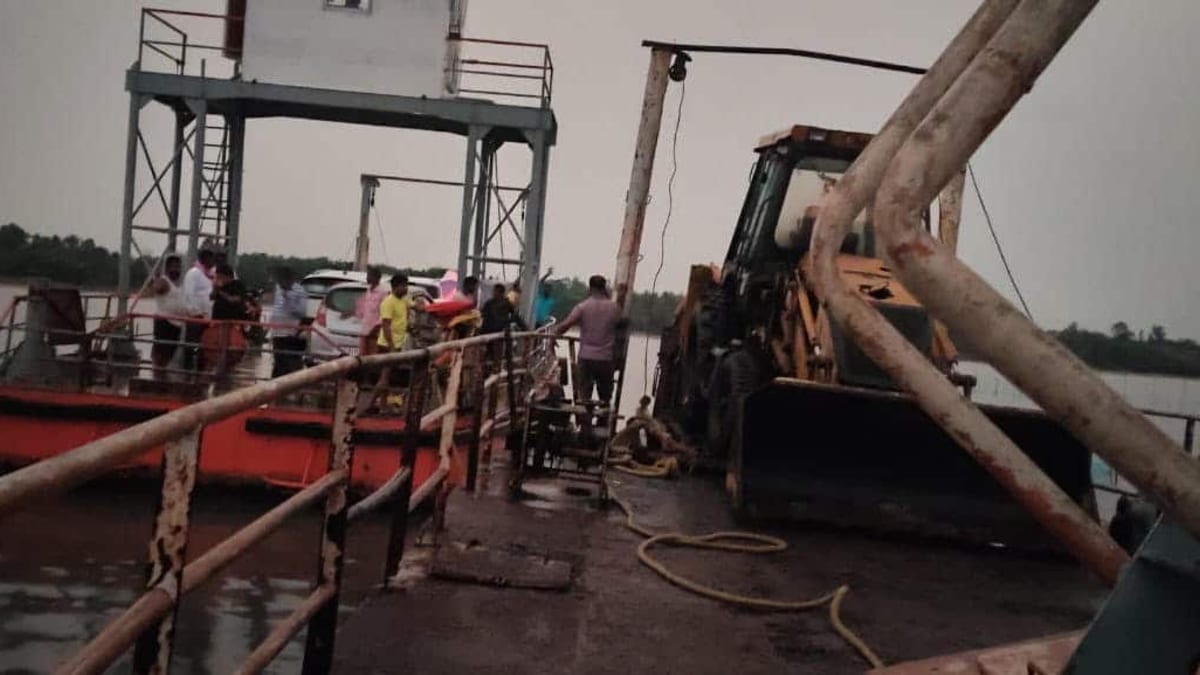
Ferry Grounded Amid Sudden Squall on Chilika
According to regional media coverage, the incident occurred on a ferry route between Satapada and Janhikuda, a key crossing that allows vehicles and passengers to avoid a long detour by road around Chilika Lake in Odisha. The ferry, carrying more than 50 people along with cars and motorbikes, was caught in a Kalbaisakhi squall, a seasonal nor’wester associated with powerful winds, abrupt shifts in visibility and fast-forming waves.
As wind speeds increased and rain reduced visibility, the vessel is reported to have veered into a shallow, mud-filled stretch of the lake. The hull then became stuck in the lakebed, leaving the ferry unable to maneuver back into deeper water. Initial reports indicate that the grounding happened relatively quickly once the storm intensified, leaving passengers with little advance warning.
The ferry remained immobilized for a prolonged period while conditions on the lake gradually improved. Passengers, including families and commuters, waited on board with their vehicles as operators assessed options for refloating the vessel and coordinating assistance from nearby boats.
Regional outlets noted that no serious injuries were immediately reported, but the episode created significant anxiety for those on board, coming amid variable pre-monsoon weather patterns in coastal Odisha.
Passengers, Cars and Bikes Stranded for Hours
Publicly available information suggests that more than 50 passengers had boarded the ferry, along with multiple four wheelers and a large number of motorbikes, typical of the mixed traffic that relies on the Satapada to Janhikuda link. With the vessel stuck in the mud away from the shore, all on board had to remain on deck or in their vehicles until assistance could be organized.
Reports describe passengers contacting relatives and sharing updates on the developing situation while waiting for the ferry to be freed. The combination of rising winds, choppy water and low visibility during the Kalbaisakhi storm left many concerned, even as the vessel itself remained afloat and stable on the lakebed.
As weather conditions eased, rescue and support efforts focused on stabilizing the ferry, checking for any immediate water ingress or mechanical damage, and planning how to either tow or maneuver the vessel back into the main navigational channel. Some accounts indicate that nearby boats later reached the stranded ferry once the storm’s intensity dropped, helping to move people off in stages.
The delay disrupted road connections on both sides of the lake, as vehicles waiting to cross had to remain at the ghats while the grounded ferry blocked one of the primary transport links across Chilika.
Recurring Concerns Over Route Safety and Navigation
The incident has drawn renewed attention to long running questions about safety and navigation standards on Chilika Lake, where ferry operations are essential for connecting communities in Puri and surrounding districts. Previous episodes reported in local newspapers have described vessels getting stuck in shallow waters or temporarily stranded after deviating from established channels when water levels were low.
Transport observers in the region have frequently highlighted challenges such as fluctuating lake depths, shifting mudbanks and fishing nets in navigational corridors, all of which can complicate steering during rough weather. Kalbaisakhi storms, which often build rapidly during the late afternoon or evening in the pre-monsoon period, add another layer of unpredictability for ferry schedules.
Published coverage and commentary after earlier groundings have raised issues including the need for clearer marking of safe channels across the lake, more frequent dredging in critical bottlenecks and better integration of weather alerts into ferry operations. The latest episode during a stormy crossing is likely to intensify discussions about how to manage risk as passenger and vehicle volumes continue to grow.
Travel planners and local residents alike rely heavily on the Chilika crossings to shorten journeys between coastal hubs, meaning that each disruption quickly becomes both a safety concern and a practical challenge for daily mobility.
Weather Volatility Highlights Pre-Monsoon Risks
The Kalbaisakhi system that coincided with the ferry grounding fits a broader pattern of volatile pre-monsoon weather reported across eastern India, with sharp thunderstorms, lightning and localized squalls interrupting otherwise hot and humid conditions. On an open, shallow waterbody like Chilika, such storms can generate short, steep waves and sudden wind shifts that test both vessel handling and infrastructure.
Meteorological analyses of recent seasons suggest that the timing and intensity of pre-monsoon storms can vary considerably from year to year, complicating routine planning for operators and travelers. While most ferry crossings are short in duration, even a brief window of severe weather can pose hazards if a vessel is already mid-lake when visibility or maneuverability is reduced.
Regional commentators have suggested that tighter alignment between short term weather bulletins and ferry scheduling could help reduce exposure to sudden squalls, including temporary pauses in departures when thunderclouds begin to build over the lake. In parallel, better communication of live conditions to passengers waiting at the ghats may help travelers make more informed decisions about timing their journeys during the storm prone weeks of late spring.
The latest grounding during a Kalbaisakhi event underscores how rapidly conditions can deteriorate on Chilika, particularly for large ferries carrying mixed loads of passengers, private cars, buses and two wheelers.
Calls for Stronger Oversight and Infrastructure Upgrades
In the wake of the incident, regional media discussions have returned to long standing calls for comprehensive safety audits of ferries operating on Chilika Lake, including technical checks, training standards and emergency preparedness. Commentators have pointed to past mishaps to argue that more systematic oversight could reduce the likelihood of vessels becoming stranded during adverse weather or low water.
Proposals highlighted in earlier public debates include improving navigation aids on the lake, enhancing communication systems between ferries and shore facilities, and exploring selective dredging of shallow stretches that repeatedly cause problems. Some coverage has also noted suggestions for alternative long term solutions, such as bridges or upgraded road links, to ease dependence on a small number of ferry routes for critical regional connectivity.
For now, travelers crossing Chilika continue to depend on the large vehicle ferries that cut hours off their journeys between key destinations in coastal Odisha. The recent episode of a ferry stuck in mud during a Kalbaisakhi storm will likely remain a reference point in ongoing discussions about how to balance the economic importance of these services with the need for higher safety margins on one of India’s most significant coastal lakes.