

More news on this day
Passengers across China, India, the United Arab Emirates, Saudi Arabia and other markets are facing cascading travel disruption after China Eastern and China Southern recorded dozens of cancellations and hundreds of delays, snarling traffic through major hubs such as Shanghai, Guangzhou, Beijing and Dubai.
Get the latest news straight to your inbox!
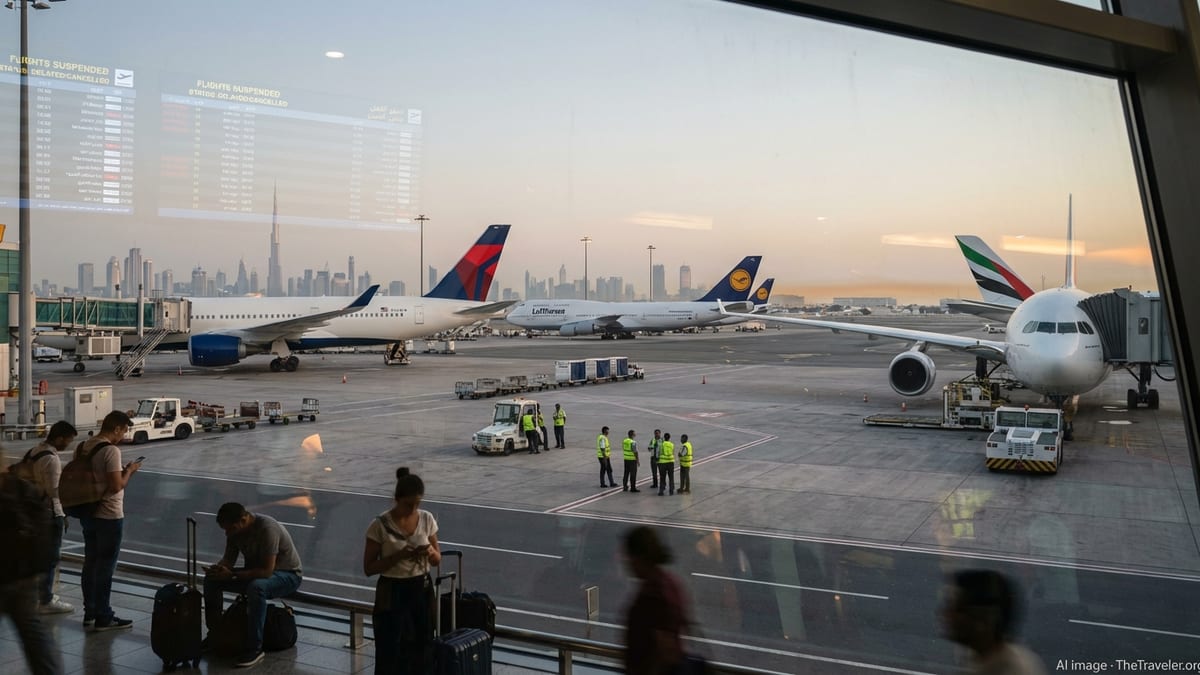
Flight Disruption Spreads Across Multiple Regions
According to publicly available flight-tracking dashboards and aviation analytics reviewed on 4 April 2026, services operated by China Eastern Airlines and China Southern Airlines have experienced a fresh spike in operational disruption, with reports indicating around 40 cancellations and more than 500 delays within a recent 24 hour window across their combined networks. The uneven pattern of disruption has been most visible on trunk routes linking Shanghai, Guangzhou and Beijing, but ripple effects have extended along long haul and regional connections touching India, the Gulf and broader Asia.
Data compiled by specialist flight monitoring platforms shows elevated levels of late arrivals and schedule changes at Shanghai Pudong and Hongqiao, Guangzhou Baiyun and Beijing’s dual hubs, where China Eastern and China Southern account for a substantial share of daily movements. Even where outright cancellations remain a small fraction of scheduled services, the volume of delayed departures has been sufficient to trigger missed connections and rebookings for passengers travelling onward to cities such as Delhi, Mumbai, Dubai, Abu Dhabi, Jeddah and Riyadh.
The latest wave of disruption comes against a backdrop of wider volatility in Asian and Middle Eastern air travel. Recent analyses by regional travel publications describe thousands of passengers affected in a single day by cancellations and long delays across Beijing, Tokyo, Delhi and Dubai, underscoring how sensitive complex hub networks remain to schedule shocks at major carriers. With China Eastern and China Southern acting as key connectors between domestic Chinese cities and international gateways, issues concentrated within their operations can quickly radiate outward.
Key Hubs From Shanghai to Dubai Under Pressure
Shanghai has emerged as one of the focal points of the current disruption. Publicly available departure boards and performance summaries for China Eastern, which is headquartered in the city, indicate a noticeable cluster of delayed flights on routes from Shanghai to Beijing, Guangzhou and other domestic centers. Even modest departure delays on these high frequency corridors can leave little margin for travelers attempting tight international connections via Pudong, including onward services to South Asia and the Gulf.
Guangzhou, a primary base for China Southern, is experiencing similar strains. Flight statistics for China Southern show a rising share of delayed operations from Guangzhou to Beijing and Shanghai, contributing to congestion in transfer areas and longer lines at service counters as travelers seek revised itineraries. Aviation analysts note that as banks of inbound flights arrive late into Guangzhou, outbound waves to South and Southeast Asia, as well as to the Middle East, can be forced into rolling delays.
In the Gulf, Dubai International Airport has been absorbing knock-on pressure as disrupted passengers from Chinese hubs attempt to re-route via alternative carriers or later departures. Travel industry coverage of recent airspace and scheduling challenges across the broader Middle East indicates that Dubai, Doha and Abu Dhabi have already been operating close to capacity, with some airlines trimming or retiming services. Additional demand from stranded travelers arriving late from China, or missing their planned connections, has added to crowding at transfer desks and hotel desks serving involuntarily delayed passengers.
Impact on Passengers Across China, India and the Gulf
The most immediate impact of the cancellations and delays has been felt by passengers attempting multi leg journeys that connect domestic Chinese sectors with international flights to India and the Gulf. Public accounts posted on social platforms and travel forums in recent weeks describe travelers missing onward flights in Shanghai and Guangzhou after initial sectors on China Eastern or China Southern departed late, sometimes by several hours.
For itineraries involving India, disruptions on Chinese domestic feeders have affected travelers headed to major Indian gateways such as Delhi and Mumbai, as well as secondary cities connected via Gulf hubs. With long haul capacity across Asia and the Middle East already constrained by re-routings around sensitive airspace, last minute rebooking options have often been limited, leaving some passengers facing overnight stays or multi day delays before seats become available.
In the United Arab Emirates and Saudi Arabia, passengers arriving from China on delayed services have encountered missed onward connections to destinations across South Asia and Africa. Travel advisories from consumer oriented aviation outlets stress that when tickets are issued on a single booking, airlines are generally responsible for providing alternate transport on the next available flight when delays cause misconnected itineraries. However, travelers who pieced together separate tickets on different carriers have reported being required to purchase new onward flights at short notice.
Families and business travelers have described resorting to last minute hotel bookings near airports in Shanghai, Guangzhou, Beijing and Dubai, as well as incurring unplanned expenses for meals and local transport. Consumer advocates highlight the importance of keeping receipts and documenting boarding passes, delay notifications and revised itineraries so that passengers can pursue reimbursement or compensation where local regulations or airline policies permit.
Operational and Regulatory Context Behind the Disruption
Aviation analysts point to a combination of factors behind the latest scheduling turbulence at China Eastern and China Southern. The wider Asian network has been coping with rerouting around constrained airspace in parts of the Middle East, which has added flight time, fuel costs and complexity for airlines operating between Asia and Europe or the Gulf. Travel industry reporting indicates that these detours have already led some carriers to reduce frequencies or adjust departure banks at key hubs, reducing overall slack in the system.
Within China, carriers continue to balance fast recovering demand with aircraft and crew availability. Flight performance summaries for major Chinese airlines show that even when overall cancellation rates remain relatively low on core domestic routes, a notable share of flights depart behind schedule, compressing connection windows. For large hub operators such as China Eastern and China Southern, this can create a domino effect across dozens of flights in a single day when weather, congestion or technical checks lead to early morning delays.
The regulatory framework for passenger rights varies significantly depending on itinerary and jurisdiction. For flights departing from the European Union or the United Kingdom, widely reported court decisions and consumer guidance note that travelers may be entitled to fixed compensation amounts when long delays or cancellations meet certain criteria, even when the operating airline is based outside Europe. For departures from China, India, the UAE or Saudi Arabia, passenger protections are shaped by local civil aviation regulations and airline specific contracts of carriage, which typically provide for refunds or rebooking in defined circumstances but may not guarantee fixed compensation.
Publicly available conditions of carriage for China Eastern, for example, define flight delay and flight cancellation and outline procedures for schedule changes, while reserving broad discretion for the airline in cases of operational or safety related disruptions. Similar provisions are present in China Southern’s passenger policies. Travel law commentators advise passengers to review the specific terms attached to their tickets, particularly where promotional or deeply discounted fares may carry more restrictive change and refund rules.
What Travelers Can Do Before and During Their Journey
Given the elevated disruption affecting China Eastern and China Southern across parts of their networks, travel experts recommend that passengers build additional margin into itineraries involving critical connections, especially when transiting Shanghai, Guangzhou, Beijing or Dubai. Booking slightly longer layovers can reduce the risk of missed onward flights if an initial domestic sector within China departs late.
Specialist aviation publications also encourage travelers to favor single ticket itineraries issued by one airline or alliance where possible, rather than stitching together separate bookings on different carriers. When all segments sit under one booking reference, the responsible airline group is generally expected to rebook affected passengers if a delay on one leg jeopardizes the rest of the journey. Separate tickets, by contrast, can leave passengers exposed to paying out of pocket for new flights if they arrive too late for a self arranged connection.
Before departure, passengers are urged to monitor their flights using airline apps and independent tracking services, as some schedule changes appear in these systems before formal email notifications are sent. During disruptions, observers suggest that travelers approach customer service proactively, explore alternative routings through secondary hubs, and consider contacting travel agents or corporate travel managers who may have access to dedicated support channels.
While the current pattern of cancellations and delays at China Eastern and China Southern may ease as operational adjustments take effect, recent experience across Asia and the Middle East shows that air travel conditions can shift quickly. For now, travelers planning to route through Shanghai, Guangzhou, Beijing, Dubai and other busy hubs are being advised to stay flexible, informed and prepared for potential changes to their plans.