


More news on this day
Flight delays and cancellations at Cincinnati/Northern Kentucky International Airport have surged in recent weeks, with regional partner carriers bearing a disproportionate share of the disruption affecting passengers across the Midwest and East Coast.
Get the latest news straight to your inbox!
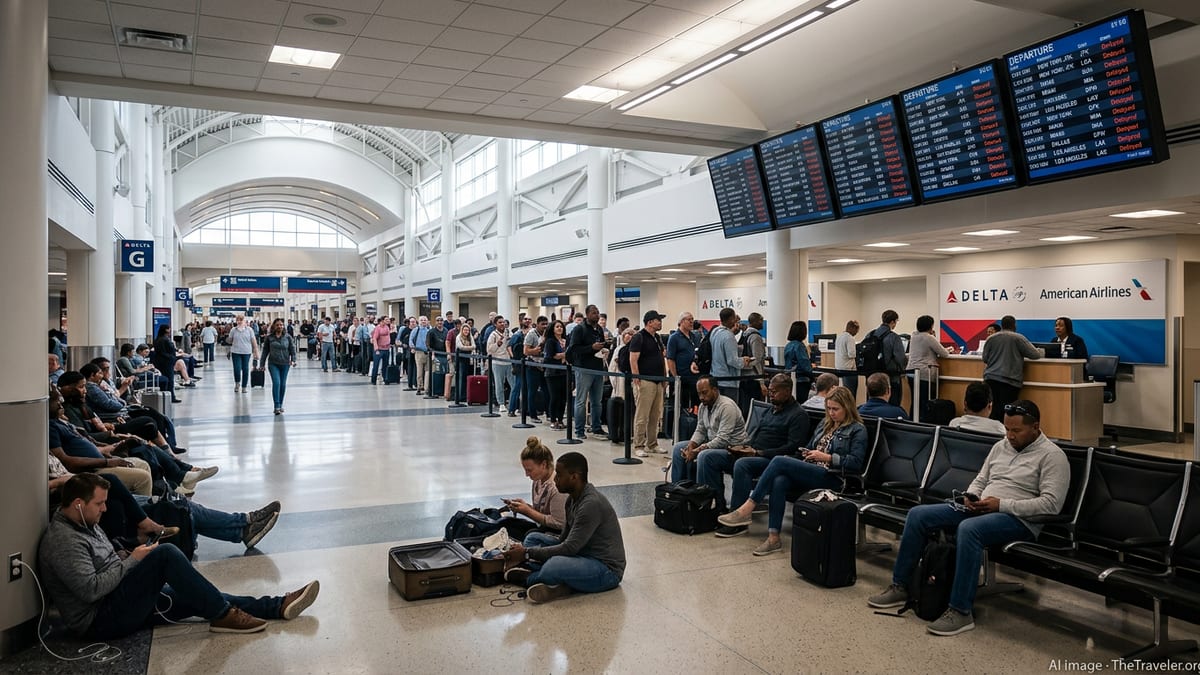
Data Shows Rising Disruption at CVG in 2026
Publicly available flight-tracking data indicates that Cincinnati/Northern Kentucky International Airport has experienced a notable uptick in schedule disruptions in 2026, despite overall strong traffic levels and growing carrier presence at the hub. On several recent peak travel days, on-time departure performance has dipped into the mid-40 percent range, meaning more flights left late than on schedule.
Independent delay monitors show that CVG, one of the Federal Aviation Administration’s monitored facilities, has periodically appeared among U.S. airports with elevated departure delays, even when severe weather has not been the primary driver. While arrivals have fared somewhat better, the imbalance has translated into missed connections and longer time on the ground for many departing passengers.
Industry schedule databases list roughly 150 flights operating at CVG on a typical midweek day this summer, connecting the Cincinnati region to dozens of domestic and international destinations. Within that schedule, a significant portion of short- and medium-haul service is operated not by the major brands on the ticket, but by regional affiliates flying under those banners.
These smaller partner carriers, which operate under capacity-purchase or feeder agreements, have emerged as a key pressure point in CVG’s reliability picture, especially during periods of tight aircraft and crew availability.
Regional Partners at the Center of Cancellations
Analysis of recent operational reports and consumer-focused coverage shows that regional airlines such as Republic Airways and Endeavor Air have featured prominently among flights delayed or cancelled at CVG in 2026. These carriers operate many of the Delta Air Lines, American Airlines and United Airlines branded regional routes that feed passengers from Cincinnati to larger hubs like Detroit, Charlotte, Boston and New York.
According to one published review of a recent disruption day at CVG, a wave of 11 cancellations and more than 40 delays was concentrated on regional partner operations, with Republic Airways logging the highest cancellation rate and Endeavor Air leading in delay volume. The hardest-hit city pairs included services to Charlotte Douglas International Airport and Boston Logan International Airport, where cancellations effectively wiped out multiple frequencies for the day.
Government air travel consumer data for spring 2026 also highlights individual long tarmac delays on flights operated by Republic and Endeavor on routes involving Cincinnati, underscoring how schedule strain can manifest in extended ground holds when traffic or weather bottlenecks occur farther along the network. While such cases represent a small fraction of total operations, they illustrate the vulnerability of regional flights that operate with less slack in aircraft and crew resources.
Because these carriers typically fly smaller regional jets on high-frequency routes, even a modest number of grounded aircraft can cascade into widespread schedule thinning, forcing last-minute cancellations or multi-hour delays for connecting passengers relying on those feeder legs.
Weather, Crew Constraints and Hub Dynamics
Several factors appear to be converging to create a more fragile operating environment for regional partners at CVG. Seasonal weather remains a major component, with the February 2026 North American winter storm having triggered dozens of cancellations to and from Cincinnati in a single day. When storms sweep across key East Coast and Great Lakes hubs, regional jets serving CVG are often among the first flights to be delayed or cut as airlines prioritize long-haul and mainline operations.
At the same time, the regional airline sector nationwide continues to adjust to lingering pilot and crew imbalances. Industry financial filings and briefings show that carriers such as SkyWest and the wholly owned regional subsidiaries of the major airlines are working to rebuild their schedules after several years of staffing constraints. Even as they add flying back, day-of-operations resilience can lag, particularly when a single out-of-position crew or unserviceable aircraft can affect multiple short-turn flights.
CVG’s evolving role as both a growing passenger gateway and a significant cargo hub also influences the operational picture. The airport hosts a major express freight presence and has attracted new base activity from low-cost and charter operators, adding complexity to already busy airspace and ground operations. When passenger, regional and cargo banks overlap during peak hours, any disruption in one part of the system can ripple through the others.
These broader dynamics mean that regional affiliates, which shoulder much of the connecting traffic into larger hubs, can experience outsized operational stress compared with mainline jets that enjoy more buffer in crew rotations and spare aircraft coverage.
Impact on Travelers Across the Region
For passengers in the Cincinnati metropolitan area and nearby Kentucky and Indiana communities, the surge in delays and cancellations has practical consequences that extend beyond CVG itself. Many travelers rely on regional partner flights to reach major hubs for onward long-haul journeys. When those short-haul legs fail to operate on time, entire itineraries can unravel, resulting in missed international connections, unexpected overnight stays and rebookings across multiple carriers.
Reports from recent disruption days describe passengers facing multi-hour waits as they attempted to secure alternate itineraries after regional cancellations wiped out multiple frequencies to key hubs. Travelers booked on smaller early-morning or late-evening flights on regional jets are especially exposed, since those departures may not have multiple same-day substitutes.
The effects also spill over into surrounding airports. When CVG’s regional feeder network experiences strain, some passengers in the broader Ohio Valley region opt to shift to alternate gateways such as Louisville, Indianapolis or Columbus, especially for time-sensitive business travel. Over time, sustained reliability issues on regional connections can influence both traveler loyalty and airline decisions about where to concentrate future growth.
For now, most of the disruption has been episodic rather than constant. However, the clustering of incidents involving partner carriers has put renewed attention on how fragile the regional segment of the network can be when broader conditions turn adverse.
What Passengers Can Do as Disruptions Persist
Travel guidance published in response to recent CVG delays consistently emphasizes preparation and flexibility for those flying on regional partner carriers. Airline and airport materials stress the importance of monitoring flight status through carrier apps or text alerts, especially on days with forecast thunderstorms, snow or high traffic volumes.
Consumer advocates also recommend that travelers build more connection time into itineraries involving regional jets from CVG, particularly when connecting to international or infrequent long-haul departures. Opting for earlier departures in the day, when schedules are less backed up, can provide more rebooking options if something goes wrong.
Passengers are additionally urged to understand their carriers’ policies on rebooking, meal vouchers and hotel accommodations in the event of lengthy delays or cancellations. Publicly available reports on past disruptions suggest that those who contacted airlines quickly and had access to digital tools often secured better alternatives than passengers who waited in long lines at airport counters.
While CVG continues to rank as a well-regarded regional airport in broader customer surveys, the recent spate of delays and cancellations tied to partner carriers highlights how quickly travel plans can be upended. For now, careful planning, extra buffer time and active monitoring remain the most effective tools for travelers navigating Cincinnati’s increasingly complex air network.