


More news on this day
Two high-profile flight cancellations at Tampa International Airport in 2026 disrupted American Airlines and JetBlue services to Charlotte and Boston, underscoring how weather and operational strains continue to challenge key domestic routes.
Get the latest news straight to your inbox!
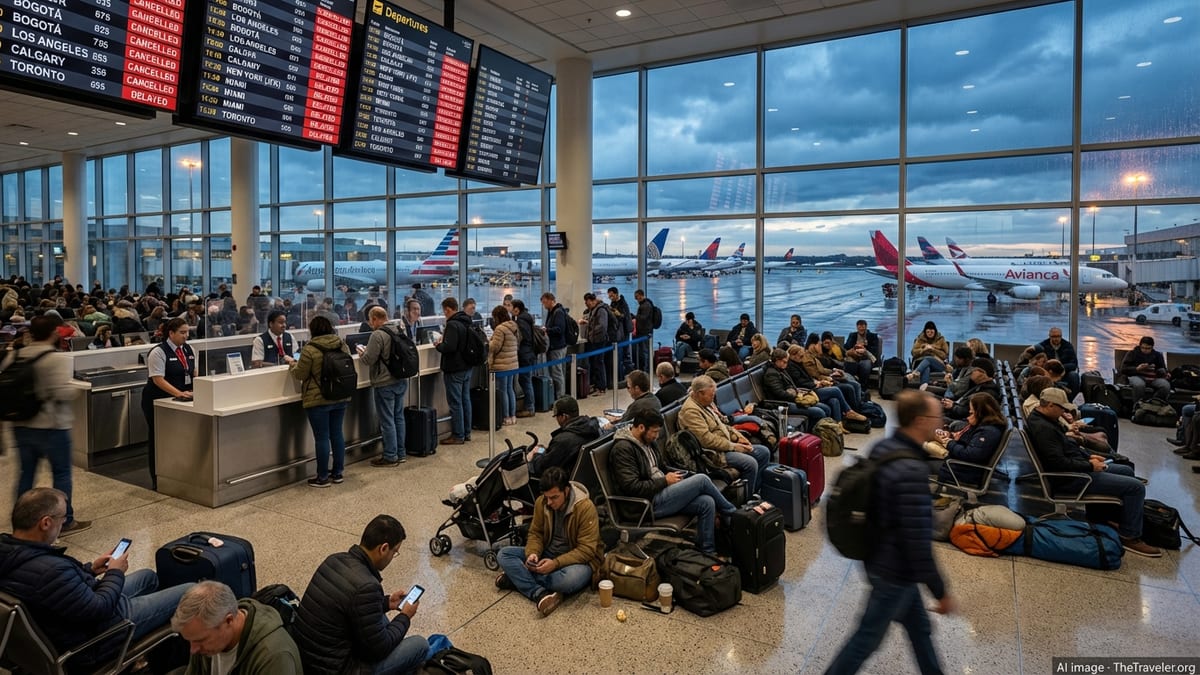
Early Morning Disruptions on Key Hub Routes
Travelers departing Tampa International Airport in 2026 faced sporadic but significant disruptions on two important connectivity routes: American Airlines flights to Charlotte Douglas International Airport and JetBlue services to Boston Logan International Airport. The affected departures typically operated in early morning time slots, when many passengers rely on connections to reach business and leisure destinations across the United States.
Publicly available schedule data show that American’s Tampa to Charlotte route and JetBlue’s Tampa to Boston service are part of larger hub-and-spoke networks feeding connecting traffic throughout the East Coast and Midwest. Even a small number of cancellations on these routes can quickly cascade, causing missed connections and extended rebookings for passengers traveling onward to other cities.
Reports from flight-tracking platforms and local coverage indicate that while overall cancellation volumes at Tampa remained moderate, the strategic importance of Charlotte and Boston amplified the impact. Both airports function as major distribution points in their respective airline networks, making any operational interruption in Tampa resonate far beyond Florida.
For travelers, the immediate effects ranged from same-day rebookings on later flights to overnight delays when alternative seats were not available, particularly on peak travel days already operating near capacity.
Weather, Winter Storms and Network Vulnerabilities
The 2026 winter season brought a series of powerful storms across North America, and these weather events were a key factor behind cancellations touching Tampa, Charlotte and Boston. A late January winter storm system disrupted flight operations across the eastern United States, with Boston Logan recording hundreds of cancellations and knock-on delays that rippled throughout airline networks.
Charlotte, a primary hub for American Airlines, was particularly exposed as freezing conditions and wintry precipitation constrained runway and ramp activity. When a hub like Charlotte experiences widespread delays, aircraft and crews positioned there for early-morning departures can be held or diverted, leaving downline routes such as Tampa to Charlotte susceptible to cancellation.
In Boston, JetBlue’s large presence made the carrier especially sensitive to local weather disruptions. As Boston flights were delayed or grounded, aircraft and crew rotations became unbalanced, affecting routes such as Tampa to Boston that rely on tight overnight and early-morning turns.
Industry reports and airline advisories from early 2026 emphasized that many of the cancellations were labeled as weather-related, which typically limits passenger eligibility for compensation while still obligating airlines to provide rebooking assistance and updated travel alerts.
Operational Strain at American Airlines and JetBlue
Beyond weather, 2026 highlighted operational pressures at both American Airlines and JetBlue that compounded disruption risks. Analysis of airline performance data and consumer reports shows that American experienced periods of elevated cancellations and delays as winter storms collided with tight crew scheduling and network complexity. Instances of aircraft and crew being out of position contributed to last-minute schedule changes on routes such as Tampa to Charlotte.
JetBlue, meanwhile, entered 2026 already restructuring parts of its network. The carrier undertook schedule pruning and reduced or exited certain routes, particularly leisure markets with softer demand. While its Tampa to Boston service remained an important part of JetBlue’s Florida network, the broader pullback limited flexibility to absorb irregular operations. When a key rotation was disrupted, options for swapping aircraft or reassigning crews were more constrained than in previous years.
Publicly available policy documents from both airlines stress that weather and air traffic control restrictions remain principal triggers for cancellations. However, traveler accounts and performance metrics in early 2026 suggest that staffing constraints, high load factors and complex hub banking patterns also played a role in how quickly airlines could recover after major storms.
For Tampa-based travelers heading to Charlotte or Boston, the combination of weather, staffing and network adjustments translated into higher uncertainty around early-morning departures, particularly during the peak of the winter season.
Passenger Impact and Rebooking Challenges
Passengers booked on American’s Tampa to Charlotte flights and JetBlue’s Tampa to Boston services during the 2026 disruption periods reported a familiar pattern: rolling delays followed by same-day cancellations, limited seat availability on alternative departures and difficulty securing timely rebookings on already full flights.
Data from flight-statistics services for early 2026 show heightened delay percentages and a noticeable share of cancellations on select days, especially around major storm events. When Tampa departures were canceled, travelers often had to be rerouted through other hubs or shifted to flights departing a day or more later, particularly for itineraries involving onward connections.
Published guidance from both carriers encourages travelers to monitor mobile apps and email alerts, make use of self-service rebooking tools when available and consider proactive changes when severe weather advisories are issued. In 2026, many affected passengers reported that securing alternative options was easier when they acted as soon as early warnings were published, before peak rebooking demand set in.
Travelers with flexible plans sometimes chose to depart a day earlier or route through alternative hubs to avoid known storm windows in Charlotte or Boston. Others opted to build in longer connection times at hubs to reduce the risk of misconnecting after an initial delay out of Tampa.
What Tampa Travelers Can Expect for the Remainder of 2026
As the year progresses, schedules indicate that American Airlines and JetBlue intend to maintain Tampa links to Charlotte and Boston, reflecting continued demand for connectivity between Florida and key East Coast hubs. Seasonal adjustments and aircraft type changes remain possible as both airlines refine their networks in response to booking patterns and operational performance.
Weather will remain an ongoing variable, particularly during the Atlantic hurricane season and any additional winter or early spring storm systems that could affect the Carolinas or New England. Tampa’s role as a major Florida gateway means that events far from the Gulf Coast can still have a direct effect on local departures when aircraft and crews are tied up elsewhere in the network.
For travelers planning upcoming trips on these routes, publicly available information suggests several practical steps: checking flight status early and often, signing up for airline alerts, and considering travel insurance or flexible fares when flying during historically disruptive periods. Building itinerary buffers, especially for international connections through Charlotte or Boston, can help mitigate the impact if Tampa departures are delayed or canceled.
While the cancellations that hit Tampa’s American and JetBlue services in 2026 were a fraction of the airport’s total operations, their timing and network importance served as a reminder that even a small number of disruptions on hub routes can have far-reaching effects for travelers across the country.