

More news on this day
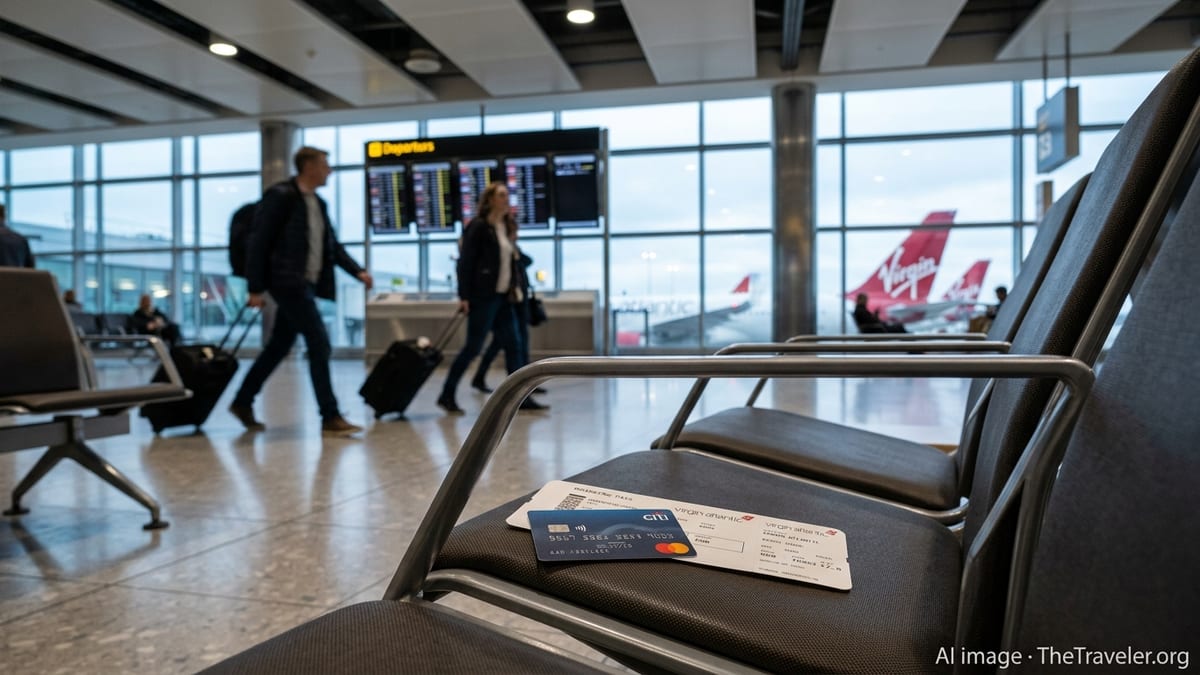
Citi ThankYou Rewards has introduced a new limited-time promotion offering a 30% bonus when cardholders transfer points to Virgin Atlantic Flying Club, creating fresh opportunities for discounted award travel across the Virgin Atlantic and SkyTeam networks.
Get the latest news straight to your inbox!
Key Details of the Citi to Virgin Atlantic Transfer Promotion
Recent points and miles coverage indicates that Citi ThankYou Rewards has activated a 30% transfer bonus to Virgin Atlantic Flying Club for a promotional window running from late March through April 18, 2026. During this period, eligible Citi ThankYou points converted to Virgin points receive a 30% uplift once the transfer is completed.
Under the offer, every 1,000 eligible Citi ThankYou points transferred will post as 1,300 Virgin points in a Flying Club account. Reports indicate that transfers from Citi to Virgin Atlantic typically process quickly, often within minutes, although processing times can vary and are not guaranteed.
The promotion applies only to new transfers initiated during the published campaign dates and completed through the standard Citi ThankYou Rewards portal. Once points move from Citi to Virgin Atlantic, they cannot be reversed back to Citi, so travelers are generally encouraged by expert commentary to transfer with a specific award goal in mind rather than speculatively.
Publicly available information also suggests that the bonus may apply when transferring to Virgin points that can be used within the broader Virgin ecosystem, but the primary focus of travel reporting around this offer is on the value available through traditional Flying Club redemptions.
Why Virgin Atlantic Flying Club Is a Popular Transfer Option
Virgin Atlantic Flying Club has long been highlighted by loyalty analysts for its attractive award pricing on select routes, even after several rounds of program changes. The airline is now a member of SkyTeam, which increases the number of partner airlines and destinations where Virgin points can be redeemed, including Delta, Air France, KLM and several other global carriers.
Coverage from points and miles publications notes that Flying Club still offers competitive pricing on transatlantic routes in both economy and premium cabins, especially on off-peak dates. Saver-level economy flights between North America and the United Kingdom can start at relatively low Virgin points totals compared with some competing programs, though travelers remain responsible for taxes and carrier-imposed surcharges.
In addition to its own flights, Virgin Atlantic’s partner awards remain a central draw. Analysts frequently cite redemptions on partners such as Delta for U.S. domestic and regional flights, as well as selected long-haul partner itineraries, as key sweet spots where Virgin points can deliver strong value per point.
The new Citi transfer bonus amplifies these existing strengths by effectively lowering the number of Citi ThankYou points required to unlock popular Flying Club awards, making the program especially appealing to ThankYou collectors during the promotional period.
Example Award Opportunities With the 30% Bonus
Recent guides to the promotion highlight several illustrative examples of how the 30% uplift can translate into concrete savings. On certain Virgin Atlantic routes between the U.S. East Coast and London, economy Saver awards that price from around 10,000 Virgin points off-peak could require roughly 8,000 Citi points when the transfer bonus is factored in, although exact pricing depends on dates and dynamic availability.
For business-class travelers, the opportunity becomes more pronounced. Some reports reference Upper Class transatlantic awards starting near the high 20,000s of Virgin points one way on the most favorable dates. With the 30% Citi transfer bonus, that level would require significantly fewer Citi points, effectively discounting the required ThankYou balance by nearly one quarter.
Partner awards can also benefit. For example, previous Virgin Atlantic award charts and booking data have shown attractive pricing on select Delta-operated domestic flights and intra-regional itineraries, where Virgin often requires fewer points than Delta’s own SkyMiles program on the same routes. Applying a 30% boost to transferred points further reduces the effective Citi cost for these awards, provided that partner space is available and taxes and fees remain acceptable.
While each traveler’s situation will differ, the general pattern described across loyalty blogs and forums is that the bonus tends to offer the best value when used for premium-cabin long-haul flights or compelling partner awards, rather than short, low-cost tickets that could be purchased cheaply with cash.
Important Fine Print and Strategic Considerations
As with previous Citi to Virgin Atlantic transfer bonuses, this promotion comes with rules that travelers need to understand before moving points. The offer is scheduled to end on April 18, 2026, and only transfers initiated and completed within the official timeframe qualify for the 30% uplift. Any transfers made before the start or after the end of the window should post at the standard 1:1 ratio.
Another key detail is card eligibility. Historically, Citi has differentiated between premium ThankYou-earning cards and no-annual-fee products, with some accounts offering full 1:1 transfers to airline partners and others imposing reduced transfer ratios. Current reporting on the 2026 promotion suggests that the 30% bonus is calculated on top of whatever base ratio applies to an individual cardholder’s account, so travelers are encouraged by commentators to verify their personal transfer rate within the Citi portal before proceeding.
Points transferred to Virgin Atlantic are subject to Flying Club’s own terms, including expiration policies, routing rules and surcharges. Virgin Atlantic now uses more dynamic pricing on its own flights, which means that while off-peak deals can be excellent, heavily booked peak flights may require substantially more points, even with a transfer bonus. Taxes, fees and carrier-imposed surcharges can also be significant, particularly on departures from the United Kingdom.
Because of these variables, many loyalty specialists suggest confirming award space and running a full cost comparison against cash fares before committing Citi points. For some itineraries, especially in economy during sales, paying cash and saving points for premium-cabin or partner redemptions may still offer better long-term value.
How This Fits Into the Broader Transfer Bonus Landscape
The new Citi to Virgin Atlantic bonus arrives in a market where transfer promotions have become a regular feature across several major credit card issuers. Historical data compiled by independent tracking sites shows that Citi, American Express and other banks have run multiple 30 percent or greater bonuses to Virgin Atlantic over the past few years, often for a few weeks at a time.
Analysts note that these recurring offers encourage cardholders to keep flexible bank points rather than focusing exclusively on a single airline or hotel program. When a bonus like this appears, those flexible points can be directed to whichever partner provides the best combination of availability, pricing and timing for a planned trip.
For Citi specifically, the 30% Flying Club bonus follows a pattern of periodic promotions aimed at raising the profile of the ThankYou Rewards ecosystem in a competitive landscape that includes Ultimate Rewards, Membership Rewards and other transferable currencies. By pairing a well-regarded partner such as Virgin Atlantic with a temporary transfer incentive, Citi can highlight the potential upside of building and maintaining a ThankYou balance.
For travelers, the limited-time nature of the offer means that the decision to transfer hinges on concrete travel plans. With firm dates, available award seats and a clear understanding of fees and surcharges, the 30% bonus can offer substantial savings. Without those elements in place, observers generally characterize speculative transfers as a gamble, particularly in an environment where award charts and pricing policies continue to evolve.