

Delaware is a small state with big surprises. Its Atlantic beaches, historic towns, wildlife refuges and tax-free shopping draw millions of visitors each year. Yet many travelers arrive with assumptions shaped by bigger neighbors like Pennsylvania, New Jersey or Maryland, and end up wasting time, money or patience. Understanding Delaware’s particular rules and quirks will help you enjoy the state’s coastal charm and compact cities without unnecessary hassles.
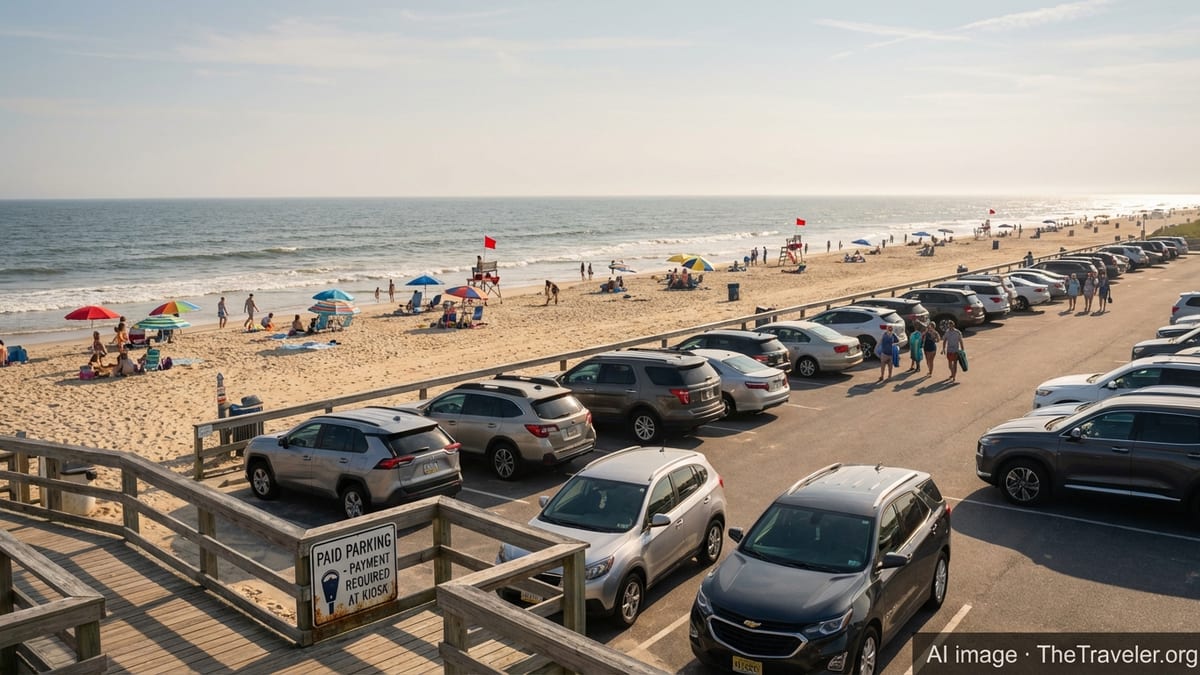
Overlooking How Compact Delaware Really Is
Delaware’s small size can be both a blessing and a trap for visitors. On a map it looks like a quick detour between larger destinations, but treating the state as a drive-through often means missing what makes it distinctive. Many travelers rush straight up Interstate 95 or down Route 1 toward the beaches without allowing time for historic riverfronts, small towns or wildlife areas.
Another mistake is assuming distance equals difficulty. In Delaware, the opposite is often true. Because the state is compact, you can visit multiple regions in a single day if you plan carefully. Skipping inland towns like Dover, Milford or historic New Castle in favor of only the most famous beach spots can leave you with an incomplete impression of the state. Building an extra day into your itinerary gives you flexibility to wander local neighborhoods, sample regional food and see more than one shoreline.
Travelers also underestimate how quickly they can shift from urban to rural here. Driving just a few minutes off the main highway takes you from busy retail corridors to farm fields and marshes. That contrast is part of Delaware’s appeal, but it requires a different mindset. Instead of planning long, single-destination days, consider shorter hops between nearby attractions and allow unscheduled time for places you discover along the way.
Finally, visitors sometimes assume that a small state must have limited options. In reality, Delaware’s size concentrates experiences. You can pair a morning at a bay wildlife refuge with an afternoon on an Atlantic Ocean beach and an evening at a riverfront restaurant, all without exhausting transfers. The mistake is not in how far you travel, but in failing to take advantage of how close everything is.
Misunderstanding Toll Roads, E-ZPass and Driving Etiquette
Delaware’s position along the busy Northeast Corridor means its toll roads can catch out-of-state drivers off guard. Route 1, the main north-south highway to the beaches, and Interstate 95 both use toll plazas, while the Delaware Memorial Bridge charges a toll for vehicles entering from New Jersey. Cash is still accepted at staffed toll booths on major plazas, but some facilities rely on E-ZPass or license plate billing and do not offer a cash option. Visitors who assume they can always toss coins into a basket risk receiving a mailed invoice or violation notice instead.
Another common mistake is not having a plan before you reach the toll plaza. Last-minute lane changes to reach an E-ZPass or cash lane are dangerous and can lead to near-misses during busy travel periods. Study posted signs well in advance, decide whether you will pay with E-ZPass or cash, and move into the correct lane early. If you are driving a rental car, clarify with the agency how tolls are handled in Delaware so you are not surprised later by administrative fees.
Many visitors also underestimate summer traffic toward the beaches. On warm weekends, especially between Memorial Day and Labor Day, congestion can be heavy on Route 1 and local approach roads. Drivers expecting a quick trip from northern Delaware or neighboring states can find themselves in stop-and-go traffic for long stretches. Leaving early in the morning, traveling on weekdays, or returning later in the evening can significantly reduce delays. Allow extra time for holiday weekends and popular events.
Finally, out-of-state drivers sometimes ignore local courtesy and speed habits, which can cause tension on crowded roads. Sudden braking to search for an unplanned turn or weaving between lanes near an exit is more risky on compact Delaware highways than it might seem. Program your navigation in advance, use rest areas or well-marked exits if you need to reorient, and remember that the goal is to arrive at the beach or town relaxed, not frazzled.
Getting Caught Out by Beach Conditions and Seasonal Crowds
Delaware’s coastline stretches from the Delaware Bay down to the Atlantic Ocean, and not all beach experiences are the same. A frequent mistake is assuming every stretch of sand offers the same water quality, surf conditions and atmosphere. Bay beaches often have shallower, calmer water but can also experience stronger odors from nearby marshes, more biting flies on hot days and periodic surges of horseshoe crabs during late spring and early summer. These natural events are fascinating but can surprise visitors expecting postcard-perfect relaxation.
On the Atlantic side, resort towns like Rehoboth Beach, Dewey Beach and Bethany Beach are rightly popular. Yet many travelers misjudge how crowded they become during peak season. Between late June and August, especially on weekends, parking can be challenging, restrooms and boardwalks fill quickly and restaurant waits stretch into hours. Arriving late in the morning and expecting an easy seaside setup is one of the most avoidable frustrations. A better strategy is to reach public lots early, consider state park beaches nearby, or visit in shoulder seasons such as May, early June, September and early October when the water can still be pleasant and crowds thinner.
Another oversight is not respecting local rules designed to keep beaches safe and clean. Most Delaware beaches regulate where dogs are allowed, restrict glass containers, and designate guarded swimming areas. Ignoring posted flags about rip currents or swimming far outside lifeguarded zones can be dangerous in Atlantic surf. Likewise, leaving trash behind in dunes or on sand not only harms wildlife but can earn you criticism from locals who work hard to keep these areas pristine.
Weather assumptions can also trip up visitors. Summer thunderstorms along the coast can build quickly, and fog can roll in over the bay. Planning your entire day around a single beach with no backup activity can lead to disappointment when conditions change. Keep a flexible mindset: explore nearby towns, museums or boardwalk arcades during bad weather, and return to the beach when it clears. Understanding that Delaware’s coast is a living, shifting environment rather than a static resort backdrop will help you enjoy whatever the day brings.
Underestimating Parking Rules and Small-Town Regulations
Many of Delaware’s most charming experiences unfold in compact beach towns and historic districts with limited space. Visitors often assume that relaxed vacation vibes extend to parking enforcement, only to discover warning slips or tickets on their windshield. Residential streets near popular beaches, in particular, are carefully regulated. Parking without the proper permit, ignoring time limits or blocking driveways can result in fines that quickly erase any savings from a supposedly free spot.
Another mistake is failing to read local signage in full. Some areas allow parking only during certain hours, others require payment via kiosks or mobile apps, and some streets shift rules seasonally. In beach towns, rules can change between peak summer and quieter months, and visitors relying on outdated information may unknowingly violate current regulations. Taking an extra minute to walk up to the nearest sign or meter and confirm the rules is a simple way to protect your budget and your mood.
Travelers also forget that many Delaware towns rely on these regulations to manage congestion and protect residents’ access to their own homes. Treating neighborhoods as overflow lots for the day can stir local resentment. Whenever possible, use designated parking areas, especially near beaches and historic centers, and consider walking a few extra blocks rather than squeezing into questionable spaces. If you are staying overnight, ask your hotel or rental host to explain exactly where you can park and whether you need to display a permit.
Beyond parking, visitors sometimes ignore less obvious local ordinances. Noise expectations in quiet residential neighborhoods, beach closures at night, and restrictions on open containers of alcohol in public can vary from town to town. Assuming uniform rules across the state is risky. When in doubt, choose the more cautious option: keep music to a reasonable level, move alcohol consumption onto private property where it is allowed, and respect closing times for public spaces.
Assuming Alcohol, Nightlife and “Blue Laws” Work Like Home
Delaware’s alcohol regulations can surprise visitors who expect either very strict rules or a completely carefree environment. One of the most common misunderstandings involves when and where alcohol can be purchased. Licensed restaurants, taprooms and similar venues with appropriate permits may generally serve alcohol until late evening, and many are open seven days a week. Package stores, however, follow defined hours and have more limited Sunday schedules, which can catch travelers off guard if they plan to stock a vacation rental at the last minute.
Another frequent mistake is assuming that public drinking is tolerated near the beach simply because it feels like a holiday zone. In many Delaware towns, open containers are not permitted on streets, sidewalks or public areas outside designated zones. Walking from a rental house to the sand with an open bottle or can may seem harmless but can put you at odds with local officers tasked with managing crowds. Even when alcohol is allowed on certain parts of the beach or during specific seasons, glass is often prohibited due to safety concerns.
Visitors drawn by nightlife sometimes expect big-city entertainment, especially in Dewey Beach and Rehoboth Beach. While these towns offer a lively bar and music scene, they remain relatively small communities with nearby residents and families. Noise ordinances, closing times and enforcement can feel stricter than in large metropolitan areas. Planning a late-night outing without checking how you will get back safely is another common error. Secure a designated driver, rideshare or walking route before you start the evening rather than after venues close and transportation options thin out.
Finally, some travelers rely on outdated impressions of so-called blue laws, assuming that Sunday is a quiet day with limited services. In practice, many restaurants, attractions and retail stores operate robust Sunday hours, especially in coastal areas. The real risk lies in overconfidence: assuming any store or brewery will be open as late as you wish. Check posted hours, especially in the off-season, and avoid building your entire plan around a last-minute purchase just before closing.
Misjudging Weather, Seasons and Wildlife
Delaware’s mid-Atlantic climate often tempts travelers to expect endless mild days, but the reality is more variable. Summer can bring intense humidity and strong sun along the coast, while winter occasionally delivers snow and ice, particularly inland and in the northern part of the state. A common mistake is packing only for the most optimistic forecast and forgetting that evenings near the water can feel significantly cooler than daytime highs suggest. Light layers, a wind-resistant jacket and proper footwear are wise additions year-round.
Shoulder seasons, especially spring and fall, are wonderful times to visit but come with their own quirks. In late spring, bay beaches can be dotted with spawning horseshoe crabs and migrating shorebirds, a spectacular natural sight that may surprise those expecting an empty shoreline. In late summer and early fall, biting flies and mosquitoes can be more active around marshes and bayfront areas. Visitors unprepared with insect repellent or protective clothing can find outdoor plans cut short.
Another oversight is assuming that every attraction operates on a peak-season schedule all year. Some coastal businesses scale back hours or close entirely in winter, and certain tours or outdoor activities may be weather dependent. Planning a tight itinerary around specific boat excursions, lighthouse climbs or wildlife tours without checking seasonal operation dates can lead to disappointment. Flexibility and backup ideas, such as visiting museums, historic sites or inland towns, make it easier to adapt when conditions change.
Respect for wildlife and protected areas is also essential. Delaware’s coastal refuges and state parks protect nesting birds, dunes and fragile habitats. Walking into fenced-off dune areas for a photo, disturbing shorebirds or leaving food waste that attracts animals are easy mistakes to avoid. Stay on marked paths, observe from a distance and treat the state’s wildlife as an important part of the experience rather than a backdrop to be rearranged for social media pictures.
Ignoring Tax-Free Shopping Nuances and Local Culture
Delaware’s lack of a state sales tax is a powerful draw, especially for visitors from nearby states who come specifically to shop. A frequent mistake is treating tax-free status as an invitation to overspend without considering overall prices, parking fees or travel costs. While many shoppers do save money, some outlets and popular centers may adjust base prices in ways that narrow the advantage. The best approach is to compare overall value, not just celebrate the absence of an added percentage at the register.
Another oversight is focusing so much on large shopping complexes that you miss Delaware’s smaller independent businesses. Historic downtowns, coastal towns and rural roads host family-run shops, galleries and markets that reflect local character more authentically than national chains. Rushing straight to the biggest outlet mall without spending any time in nearby town centers can leave you with generic purchases and a limited sense of place. Consider allocating part of your shopping budget to locally owned stores, where you may find regional foods, crafts and artwork.
Visitors sometimes assume that tax-free shopping applies to every kind of purchase, including services or lodging. In reality, some categories of expense, such as hotel rooms, can still carry separate taxes or fees. Misunderstanding the difference between retail sales tax and other charges can lead to confusion at checkout or during trip budgeting. Review your receipts and reservation details and assume that while retail goods may be tax free, other travel costs may still be subject to surcharges.
On a cultural level, treating Delaware only as a place to shop for discounts can unintentionally slight residents proud of their state’s history and natural beauty. Taking time to visit local museums, historic homes, riverfront districts and coastal parks demonstrates that you are interested in more than bargains. Conversations with shop owners, servers and guides often yield tips that no discount sign can offer.
Overplanning or Underplanning Short Visits
Because Delaware is easy to cross in a matter of hours, many travelers schedule very short visits, squeezing the state into a broader Northeast road trip. The mistake lies at both extremes of planning. Some visitors overplan, packing their day with a dozen stops and underestimating transitions, parking, meals and spontaneous delays. Others underplan, assuming they can improvise everything on arrival, only to find popular restaurants fully booked and key attractions sold out or closed.
Overplanners often discover that constant moving prevents them from experiencing Delaware’s slower coastal rhythms and small-town charm. Rushing from a morning at the beach to a quick outlet stop, then to a hurried dinner before driving onward, can leave you feeling more tired than enriched. Instead, pick a realistic number of anchor experiences and build in unstructured time for strolling a boardwalk, watching a sunset over the bay or exploring side streets.
Underplanners, on the other hand, may arrive on a summer weekend to find that parking near the beach is limited, state park lots reach capacity early and table waits at popular restaurants stretch through prime meal times. Without at least a loose plan and a few reservations, you may spend more time searching than enjoying. Check whether attractions require timed entry, confirm whether you need beach or park passes, and reserve lodging well ahead during holidays and special events.
A balanced approach works best in Delaware. Decide on your must-do experiences, research basic logistics such as driving times and parking, and then leave space in your schedule for local recommendations and serendipity. This combination allows Delaware’s mix of coastal energy and small-town ease to emerge naturally.
The Takeaway
Delaware rewards travelers who look beyond its modest size and highway exits. The most common mistakes visitors make are rooted in assumptions: that toll roads will work exactly like those at home, that every beach offers the same experience, or that a small state can be fully appreciated in a rushed afternoon. By understanding local driving rules, respecting beach and town regulations, planning sensibly around seasons and crowds, and valuing both tax-free shopping and local culture, you can avoid unnecessary frustrations.
Approach Delaware as a place worth its own time instead of a gap between larger states, and you will find walkable historic streets, varied shorelines, wildlife-rich marshes and welcoming communities. With a bit of forethought and a flexible mindset, your visit can feel relaxed rather than hurried, and you will leave with a deeper appreciation for this often underestimated corner of the mid-Atlantic.
FAQ
Q1. Do I need E-ZPass to drive through Delaware?
While you can pay cash at many major toll plazas, some roads and gantries rely on electronic tolling and mailed invoices. An E-ZPass or clear plan for tolls will make your trip smoother and help you avoid unexpected fees.
Q2. When is the best time of year to visit Delaware’s beaches?
Peak season runs from late June through August and brings warm water but heavy crowds. Many travelers prefer May, early June, September or early October for milder crowds and more relaxed parking and dining.
Q3. Are Delaware’s bay beaches as good as the Atlantic beaches?
Bay beaches offer calmer, shallower water and a quieter atmosphere, but they can also see more marsh odors, biting insects and seasonal horseshoe crab activity. Atlantic beaches generally provide stronger surf, wider sands and more amenities.
Q4. Is public drinking allowed on Delaware beaches and boardwalks?
Rules vary by town, but open containers are often restricted or banned in public areas. Glass is usually prohibited on the sand, and many communities enforce these rules, especially during busy periods.
Q5. How strict is parking enforcement in Delaware beach towns?
Enforcement is active, particularly in summer. Expect residential permit zones, metered or app-based parking and time limits. Ignoring posted rules can quickly result in tickets that add unexpected costs to your trip.
Q6. Does Delaware’s tax-free status apply to everything?
Delaware does not impose a state sales tax on most retail goods, which benefits shoppers. However, lodging, certain services and local fees can still apply, so not every expense will be tax free.
Q7. What weather should I pack for when visiting Delaware?
Summers can be hot and humid, especially inland, while evenings near the coast may feel cooler. Spring and fall can be variable, and winter occasionally brings snow and ice. Packing layers and a light jacket is wise in most seasons.
Q8. Are Delaware’s beaches family friendly?
Yes, many Delaware beaches cater to families with lifeguards, restrooms and nearby food options. The mistake to avoid is arriving late without a parking plan or ignoring rules about where children can safely swim under lifeguard supervision.
Q9. Do I need to book accommodations far in advance?
For summer weekends, holidays and major events, booking well ahead is highly recommended, especially at the beaches. Off-season or midweek visits offer more flexibility, but popular spots can still fill during festivals and special occasions.
Q10. How much time should I plan to explore Delaware beyond the beaches?
Even one extra full day allows you to visit inland towns, historic sites and shopping areas. Two or three days give you time to combine beach time, nature reserves and small-city neighborhoods without feeling rushed.