

The Canadian Museum for Human Rights in Winnipeg is not a typical tourist stop. It is a striking piece of contemporary architecture and a national museum devoted entirely to human rights education and reflection. Many visitors arrive expecting a quick photo opportunity and leave surprised by how emotionally demanding and complex the experience can be. With a bit of preparation, you can avoid common missteps and give yourself the time, space and context this museum deserves.
Underestimating How Much Time You Really Need
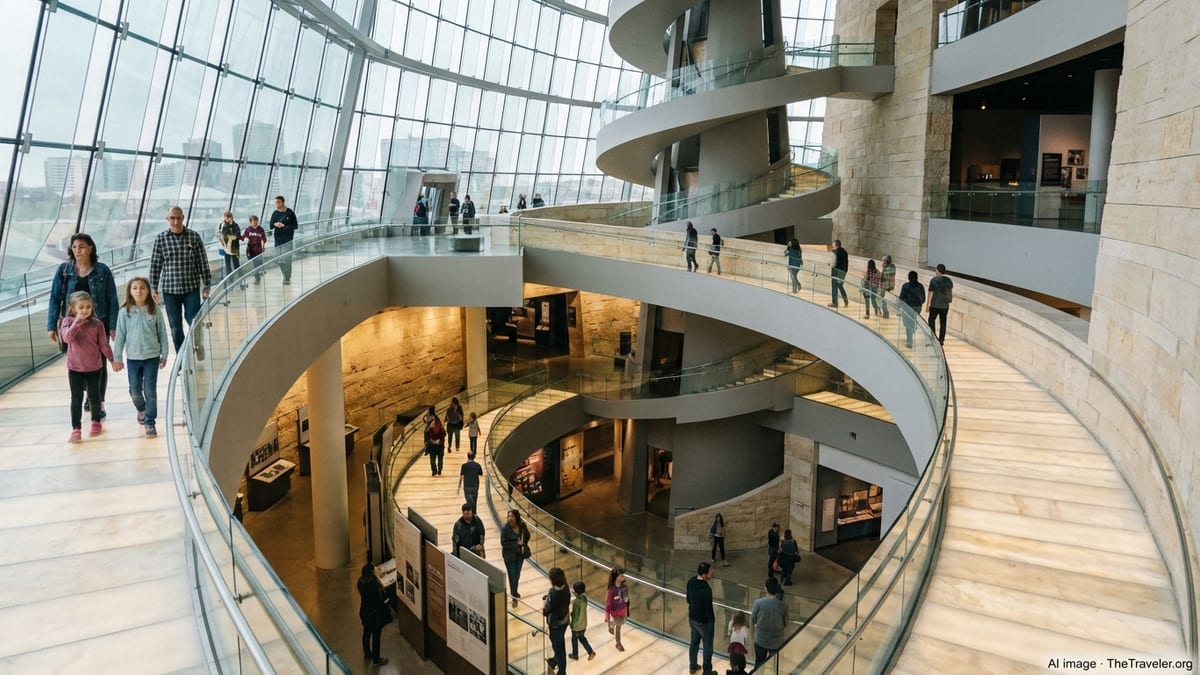
One of the biggest mistakes visitors make is assuming the Canadian Museum for Human Rights can be covered in an hour or two. The museum spans multiple levels connected by almost a kilometre of alabaster ramps, with galleries exploring Indigenous perspectives, global genocides, legal protections, activism and contemporary human rights struggles. The content is dense, multi-layered and often emotionally heavy. Rushing through means you will skim past powerful stories, interactive exhibits and quiet spaces designed for reflection.
A more realistic plan is to reserve at least three to four hours, especially if it is your first visit. This gives you time to move slowly through the narrative arc that begins in the Great Hall and gradually ascends toward the Israel Asper Tower of Hope at the top of the building. Allowing a longer window also lets you pause when particular exhibits resonate or feel overwhelming, instead of pushing yourself forward because you are watching the clock.
Visitors who underestimate the time commitment also tend to schedule the museum at the end of an already busy day of sightseeing. That can make it difficult to stay mentally engaged with complex topics like residential schools, the Holocaust or contemporary refugee crises. If possible, plan the museum as your main activity for a morning or afternoon, when you are fresher and more able to absorb challenging information.
Timing mistakes can be practical as well. On days with free or reduced admission, such as certain Friday evenings or special commemorative dates, the museum can be busier than usual. Arriving only an hour or two before closing on a popular day almost guarantees you will miss sections. Check current hours and special opening times in advance, then schedule a generous block so you are not hurrying through the final galleries or skipping the Tower of Hope at the end.
Skipping Advance Planning for Tickets, Hours and Closures
Another frequent misstep is arriving without checking basic visiting details in advance. The Canadian Museum for Human Rights is generally open several days a week with set daytime hours, but those hours can shift seasonally and on statutory or commemorative holidays. It often closes on days such as Canadian Thanksgiving, Christmas Eve, Christmas Day and Boxing Day, and may have modified hours on days like National Day for Truth and Reconciliation or Remembrance Day. There can also be occasional closures for maintenance or special events.
Failing to verify the museum schedule can result in a wasted trip, particularly for visitors on tight itineraries or those coming from outside Winnipeg. Before you go, review the current hours for the exact date of your visit, paying attention to last-entry times as well as closing times. If you are visiting around major holidays or key dates in the human rights calendar, treat advance checking as essential rather than optional.
Ticket planning also matters. General admission is reasonably priced and sometimes entirely free at set times, such as Sunday daytime or Friday evenings after a certain hour, though these offers can change. Indigenous visitors, young children and certain other groups may have complimentary entry. Buying tickets online in advance can help you avoid queuing at the admissions desk and gives you a clear sense of pricing and eligibility for discounts before you arrive at the doors.
Some visitors ignore the option of guided tours or the official app, assuming they can simply walk the galleries and read labels. While self-guided exploration is certainly possible, a tour or digital guide can provide context that ties individual exhibits into a larger narrative about rights, responsibilities and global struggles. Failing to decide in advance whether you want to join a tour can lead to missed departures or long waits. If a particular thematic tour interests you, check the schedule ahead of your visit and plan your arrival so you can take advantage of it.
Treating It Like a Simple Architecture or Photo Stop
The Canadian Museum for Human Rights is one of Winnipeg’s most striking buildings, with glass “wings,” a stone base and the soaring Tower of Hope visible from across The Forks. Many people come primarily to see the architecture, and it can be tempting to treat the museum as a quick backdrop for social media photos. Doing so, however, is a common mistake that undercuts what the institution is trying to accomplish.
The alabaster ramps, varying light levels and layered spaces are not only aesthetic choices. They are meant to echo the journey from darkness toward greater understanding, and to make the building accessible and navigable in a symbolic way. If you only linger in the lobby or the lower levels, you miss how the architecture and content are intertwined. Make time to move all the way up through the galleries, then continue into the Tower of Hope for its panoramic views of downtown Winnipeg and the confluence of the Red and Assiniboine rivers.
Photography is permitted in many public areas for personal use, but flashes, tripods and selfie sticks may be restricted, and certain works or temporary exhibitions may prohibit images altogether. Visitors sometimes ignore signage or instructions from staff, focusing more on getting a shot than on respecting the artworks and the experiences of people around them. Being overly preoccupied with taking pictures can also make it harder to absorb what you are seeing, particularly in sensitive areas dealing with genocide, residential schools or contemporary abuses.
Instead of planning your visit around photography, consider taking fewer, more thoughtful images that capture your feelings about the space: the glow of the ramps, a view from the Tower of Hope, or a contemplative moment in the Garden of Contemplation. Give equal or greater attention to reading, listening and reflecting. Remember that for many visitors, especially those with lived experiences of discrimination or violence, this museum is not a backdrop but a place of mourning, recognition and learning. Treating it as a mere aesthetic stop can come across as insensitive.
Not Preparing Emotionally for Difficult Content
Perhaps the most underestimated aspect of the Canadian Museum for Human Rights is its emotional weight. Exhibits address some of the most painful chapters of human history, including the Holocaust, the Holodomor, the Rwandan genocide, the Srebrenica massacre, the legacy of slavery and global struggles for equality. Canadian stories are central as well, from residential schools and the Sixties Scoop to the ongoing crisis of missing and murdered Indigenous women, girls and 2SLGBTQ+ people.
Arriving unprepared for this content can leave visitors feeling overwhelmed, upset or even numb. Some people try to push through every gallery in a single determined loop, only to reach the later sections exhausted and unable to engage meaningfully. Others avoid entering certain spaces altogether once they realize how confronting they can be. It is helpful to anticipate that this will not be a light experience and to give yourself permission to move at the pace you need.
The museum has intentionally designed quiet areas, such as the Garden of Contemplation, where still water, stone and natural light provide a space to pause. One common mistake is to walk past these areas as though they were decorative rather than integral to the visit. If you are feeling heavy or distressed, sitting for a few minutes in these contemplative spaces can help you process your reactions before you continue.
Families, in particular, should think ahead about age-appropriate routes. While the museum welcomes children and youth and includes interactive elements about bullying, activism and positive change, certain galleries contain graphic descriptions or images that may be disturbing. Caregivers who do not plan ahead sometimes find themselves needing to explain complex atrocities on the spot. Before your visit, consider which topics your children are ready to discuss, and be prepared to skip or move quickly through areas that feel too intense, returning to them alone later if you wish.
Overlooking Accessibility, Practical Comfort and Pace
Because the museum’s main circulation is via long ramps rather than simple staircases, many visitors assume the experience will be seamless for everyone. The design does emphasize accessibility, but the building still covers a large vertical and horizontal area, which can be tiring if you are not prepared. A common mistake is to arrive without considering footwear, mobility needs or rest breaks, and then realize halfway through that your legs or back need a pause.
Wear comfortable shoes and clothing suitable for several hours of indoor walking. If anyone in your group uses a mobility aid or anticipates difficulty with long distances, check in advance about available elevators, wheelchairs or other support. It is better to organize these details ahead of time than to improvise once you are already navigating busy galleries. If standing is an issue, seek out benches and seating areas as you go rather than waiting until discomfort becomes acute.
Food and drink policies can also catch visitors off guard. Historically, the museum housed a sit-down restaurant and café, but offerings have changed over time, and a previous on-site bistro has closed. Currently, there are limited designated areas where you can eat and drink, and you are not allowed to bring food into the galleries or onto the ramps. The building is also a nut-free environment, which is important for anyone packing snacks or visiting with children. Failing to plan a meal before or after your visit, or not bringing acceptable snacks for a long day, can leave you both hungry and distracted.
The museum’s location at The Forks means you are close to a wide choice of food vendors and cafés a short walk away. Many visitors make the mistake of trying to “power through” the entire museum on an empty stomach rather than scheduling a proper break nearby. Consider splitting your visit with a meal at The Forks, especially if you are spending the better part of a day between the museum and the surrounding attractions. Having a plan for rest and nourishment will make it easier to stay focused and engaged with the content.
Ignoring Context: Winnipeg, The Forks and Indigenous Perspectives
Another common mistake is treating the Canadian Museum for Human Rights as a stand-alone attraction, disconnected from the land and community around it. The museum sits at The Forks, a historic meeting place where Indigenous peoples gathered for thousands of years before Winnipeg existed as a city. Many of the museum’s exhibits highlight Indigenous teachings, treaty relationships and ongoing struggles for justice in Canada, and these stories gain added meaning when you understand the site’s deeper history.
Visitors sometimes move rapidly through the Indigenous Perspectives gallery on their way to more familiar international stories, not realizing how central these local narratives are to the museum’s purpose. Taking time to engage with Indigenous voices, teachings and artistic expressions is crucial to understanding human rights in Canada. If your schedule allows, combining your museum visit with a walk around The Forks, public art installations and nearby interpretive signs can help connect the stories inside the building with the land outside it.
Context also matters in terms of how you speak and behave within the museum. It is easy, especially in group settings, to slip into casual or joking conversations that might feel entirely normal elsewhere. In a place that includes memorials to genocide, testimonies of survivors and accounts of ongoing discrimination, offhand comments can feel jarring or disrespectful to those around you. Keeping your tone thoughtful and your conversations considerate of the space will contribute to an environment where everyone can learn and reflect.
Finally, overlooking Winnipeg itself as part of your learning is a missed opportunity. The city has deep histories of labor organizing, immigration, Indigenous resistance and community activism that continue to shape local human rights conversations. Tackling the museum first, then exploring Winnipeg’s neighborhoods, cultural centers and public spaces, can turn a single museum visit into a much richer journey of understanding how human rights play out in everyday life.
Forgetting Practical Rules on Bags, Security and Technology
Most museums have rules aimed at protecting collections and ensuring a safe environment, and the Canadian Museum for Human Rights is no exception. Visitors sometimes arrive with large backpacks, multiple shopping bags or bulky camera gear, only to discover that item size is restricted in galleries and that security checks may be in place. Bringing more than you can comfortably carry or safely store can slow your entry and complicate your movements throughout the day.
Plan to bring only what you truly need: a small bag, essential personal items, a water bottle where permitted and perhaps a light sweater for cooler gallery temperatures. Expect your bag to be visually checked or scanned at entry, particularly during busy periods or around major events. Keeping your belongings minimal not only simplifies security but also makes it easier to navigate ramps and crowds without bumping into other visitors or display cases.
Technology use is another area where people can unintentionally overstep. While the museum encourages the use of its app and digital resources, constant phone use for texting, loud videos or speakerphone calls disrupts the contemplative atmosphere. In spaces where survivor testimony, memorial content or sensitive stories are presented, even the glow of a bright screen can feel intrusive. Consider putting your phone on silent and lowering screen brightness, using it primarily for the museum app, translations or note-taking.
It is also wise to familiarize yourself with what can and cannot be photographed. Flash can damage certain materials and distract other visitors, so it is generally discouraged or prohibited. Tripods, monopods and selfie sticks can create tripping hazards in narrow areas and may be restricted. If you are ever unsure, ask staff before taking out gear rather than assuming it is acceptable. Respecting these guidelines from the start helps maintain a safe and respectful environment for everyone.
The Takeaway
A visit to the Canadian Museum for Human Rights can be one of the most powerful experiences of a trip to Winnipeg, but it rewards forethought and care. The most common mistakes visitors make are not about breaking rules so much as underestimating time, emotion and context. Rushing through complex galleries, arriving without checking hours, focusing only on the architecture or treating heavy subject matter casually all reduce the depth of what you take away.
By planning a generous time window, verifying current hours and ticket options, preparing emotionally, dressing for comfort and being mindful of site rules, you set yourself up for a visit that is both manageable and meaningful. Engaging fully with Indigenous perspectives, reflecting in quiet spaces and connecting what you learn inside the museum to the broader city and country around it will help ensure that your experience is more than a checklist stop. Instead, it can become a moment of reflection that stays with you long after you leave the Tower of Hope and step back out into the light at The Forks.
FAQ
Q1. How much time should I plan for a first visit to the Canadian Museum for Human Rights?
Most visitors find that three to four hours allows enough time to move through the main galleries, take breaks in contemplative spaces and visit the Tower of Hope without feeling rushed.
Q2. Is it necessary to buy tickets in advance, or can I just walk in?
You can usually buy tickets on arrival, but purchasing in advance helps you avoid lineups, confirm current prices and check for special free-admission times or modified hours.
Q3. Are there days when admission is free or discounted?
The museum has offered free general admission at certain times, such as specific days of the week or commemorative dates, and discounts for particular groups. These offers can change, so always confirm the latest details before you go.
Q4. Is the museum suitable for children, or is the content too intense?
The museum welcomes children and includes interactive exhibits about fairness and activism, but some galleries address genocide and severe abuses. Caregivers should be ready to guide youngsters, skip certain sections or adjust the pace according to each child’s readiness.
Q5. What should I wear and bring to be comfortable during my visit?
Wear comfortable shoes and layers suitable for an indoor environment, and bring only a small bag with essentials. You will be walking and standing for extended periods, often on ramps, so practical clothing and light packing make a big difference.
Q6. Is photography allowed inside the museum?
Personal photography is generally allowed in many public spaces, but flash, tripods, selfie sticks and photography in certain exhibits may be restricted. Always follow posted signs and staff instructions.
Q7. Are there places to eat or drink inside the museum?
Food and drink are limited to designated areas, and there have been changes over time to on-site dining options. You cannot eat in the galleries or on ramps, and the building follows a nut-free policy, so plan meals and snacks with these rules in mind.
Q8. How accessible is the museum for visitors with mobility challenges?
The building was designed with accessibility in mind, featuring ramps and elevators, but distances can still be significant. Visitors who use mobility aids or tire easily should inquire about available support and plan for rest breaks.
Q9. Can I visit the museum just to see the architecture without touring all the exhibits?
You may be tempted to focus only on the building or a few key viewpoints, but the architecture is closely tied to the content. To truly appreciate the design, it is worth experiencing the galleries and the journey upward through the ramps.
Q10. What is the single most important thing to avoid when visiting?
The biggest mistake is treating the museum as a quick, casual stop. Approaching it without enough time or emotional space makes it harder to absorb the stories, reflect thoughtfully and leave with a deeper understanding of human rights.