

From roller coasters on Lake Erie to Appalachian hills and lively city neighborhoods, Ohio offers more variety than many first-time visitors expect. That same variety can also trip travelers up, especially those who assume the state is an easy, one-size-fits-all destination. Whether you are planning a long weekend in Cleveland and Columbus or a fall foliage escape in the Hocking Hills, avoiding a few common planning mistakes can make the difference between a rushed, frustrating trip and a smooth, memorable one.
Underestimating Ohio’s Size, Driving Times and Traffic
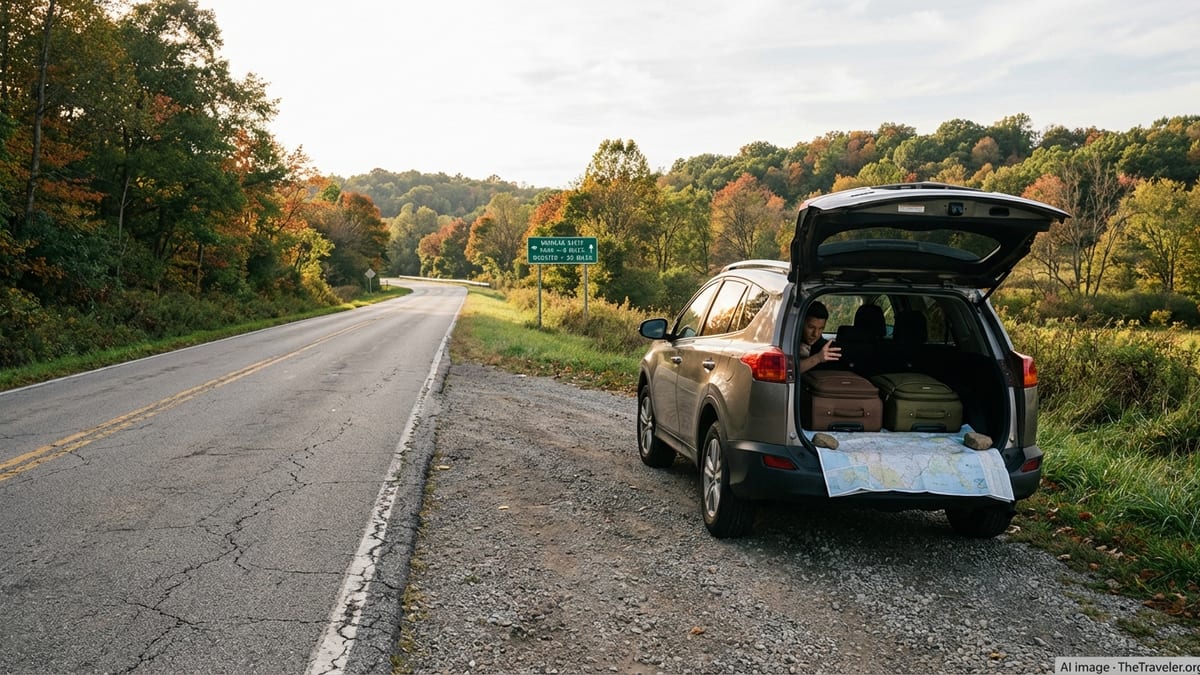
Many visitors glance at a map, see Ohio’s compact outline and assume they can crisscross the state in a day without much effort. In reality, driving from Cleveland on Lake Erie to Cincinnati near the Kentucky border can take around four hours without heavy traffic, and routes between major cities such as I 71 and I 75 often carry significant truck traffic and ongoing construction. Travel writers and road reports frequently note that congestion around Columbus, Cleveland and Cincinnati can easily double expected drive times during rush hours and holiday weekends, particularly on busy interstates and urban beltways.
Another miscalculation is planning too many day trips from one base, especially when destinations sit in different corners of the state. It can be tempting to stay in Columbus and “pop over” to Cedar Point, Hocking Hills and the Lake Erie Islands, but those drives add up quickly. Even within a region, such as the Hocking Hills or Amish Country, winding two lane roads and slower speed limits mean that distances measured in miles can be misleading. Smart planners build realistic drive times into each day, including buffers for traffic or construction.
Using only a basic map app at the planning stage can also lead to disappointment. While navigation tools are helpful in real time, they may default to the shortest route by distance instead of the most practical route by travel time. In rural southeastern Ohio, for instance, that can mean hilly back roads rather than the more comfortable main highways. A better approach is to cross check drive times with state transportation updates and local tourism advice, then design an itinerary that clusters nearby attractions instead of ping ponging across the state.
Finally, some travelers assume public transportation will fill the gaps. Outside core neighborhoods in the largest cities, public transit options are limited, and intercity rail and bus schedules may not align with sightseeing plans. For most visitors, especially those hoping to visit state parks, small towns or wineries, a rental car is the most practical option. Forgetting this and arriving without a clear transportation plan can drastically shrink what you are able to see.
Misjudging Ohio Weather and Seasonal Crowds
Ohio’s four season climate can surprise travelers who picture the Midwest as uniformly mild in summer and reliably snowy in winter. Conditions vary significantly from north to south and from Lake Erie to the Appalachian foothills. Winters in northern and northeastern Ohio often feature lake effect snow that can reduce visibility and create dangerous driving conditions along corridors such as I 90 east of Cleveland. Recent storm coverage has highlighted how quickly conditions can deteriorate for holiday travelers when snow bands develop off Lake Erie, sometimes prompting local snow emergencies that restrict nonessential travel.
On the other hand, visitors who arrive in winter expecting deep snow for photography or winter sports can find rain and freeze thaw cycles instead, especially in central and southern parts of the state. Spring is picturesque, with wildflowers and strong waterfalls in places such as the Hocking Hills, but it can also be muddy and wet underfoot. Summer brings long days and festival season, along with humidity, pop up thunderstorms and strong sun on Lake Erie. Packing only light clothing or failing to check local forecasts a few days before departure is a common planning mistake that leaves travelers uncomfortable or unprepared for hiking and walking.
Fall is often the most coveted time to visit Ohio, especially for foliage in southern and southeastern regions such as Hocking Hills State Park. Local tourism organizations note that fall color typically peaks around mid to late October, with leaves beginning to change in late September and lingering into late October depending on elevation and weather patterns. That popularity comes at a price: crowded trails, full parking lots by late morning, and accommodations that book up months in advance. A frequent misstep is planning a spontaneous fall weekend assuming there will be cabins and hotels available at the last minute.
Another seasonal oversight involves major regional events. Home football weekends at large universities, big league sports games, county fairs and major festivals can dramatically affect hotel availability and pricing in cities such as Columbus, Cleveland and Cincinnati. Travelers who do not check event calendars may be shocked by inflated room rates or limited choices. Building flexibility into dates, considering shoulder seasons such as early June or early November, and reserving key stays well ahead of time are simple ways to sidestep these crowd related headaches.
Overpacking Ohio Itineraries and Ignoring Regional Focus
Ohio’s diversity encourages ambitious planning, and many visitors try to combine a Lake Erie beach day, an amusement park visit, a winery tour, downtown museums and multiple state parks in a single long weekend. This impulse to “do it all” often leads to rushed visits, long drives, and little time to enjoy the experiences that drew you to Ohio in the first place. It also overlooks how distinct each region is. The vibe of a historic Cincinnati neighborhood, for example, is very different from a small town in Amish Country or a lakeside village near Marblehead.
A common mistake is treating Ohio as a single city break and using one base for everything. While a central hub like Columbus offers good highway connections, some star attractions sit two to three hours away. Driving out and back every day quickly becomes tiring and erodes time that could be spent walking historic districts, lingering in coffee shops or hiking. Instead, smart planners think in regional clusters: a northeast Ohio loop might pair Cleveland’s cultural institutions with Cuyahoga Valley National Park and nearby wineries, while a southeast loop focuses on Hocking Hills, Athens and scenic byways.
Another pitfall is underestimating how long activities actually take. Visiting Cedar Point or another major amusement park is typically a full day commitment, especially in summer when lines for well known roller coasters can stretch to hours on busy days. Similarly, a hiking circuit in Hocking Hills that appears short on a map can take much longer when you factor in parking, navigating crowded trails, and stopping for photographs at waterfalls and rock formations. When travelers stack two or three such “full day” experiences back to back, exhaustion becomes inevitable.
Ohio also rewards slow travel. Unexpected roadside farm markets, covered bridges, small breweries and local diners are part of the state’s charm, but they are the first things sacrificed when your schedule is too tight. Leaving open afternoons, choosing two key priorities per day instead of four, and staying at least two nights in each base gives you room to adapt to weather, energy levels and local recommendations. Editing your wish list may feel difficult in the planning phase, but it usually leads to a more satisfying trip once you are on the ground.
Overlooking Nature, Safety and Practical Logistics
Ohio’s outdoor attractions, from Lake Erie shorelines to deep sandstone gorges, are central to many itineraries. Yet visitors sometimes treat them as casual walks rather than real hikes or water based activities that demand preparation. In places like Hocking Hills, Cuyahoga Valley and Nelson Kennedy Ledges State Park, trails can be steep, rocky and slippery, especially near waterfalls or after rain. Park managers and local reports regularly remind visitors to wear sturdy footwear, stay on marked paths and avoid cliff edges. Failing to respect these guidelines can lead to injuries or, in rare cases, serious accidents.
Practical oversights are common too. Some state parks and nature preserves have limited or no mobile phone service, which means relying solely on a navigation app can be risky. Official park websites and regional tourism offices advise travelers to download maps in advance or carry printed trail guides. Parking lots at popular trailheads and scenic sites often fill early on peak days, forcing late arrivals to circle or park farther away than expected. Travelers who do not plan for this may lose valuable morning hours or end up walking along busy roads without sidewalks.
Water based activities on Lake Erie and inland lakes also require attention. Even in summer, water temperatures can feel chilly, and weather can shift quickly, especially when storms roll in from over the lake. Boating, ferry trips to islands and kayaking excursions are all sensitive to wind and wave conditions. Not checking marine forecasts or assuming that services operate on the same schedule outside high season can lead to cancellations or long waits. Calling ahead or reviewing up to date operating hours shortly before your travel dates is a simple way to avoid disappointment.
Finally, travelers sometimes forget that Ohio’s rural communities and small towns may have limited dining hours or fewer late night options than big cities. Arriving in a village after a long hike or drive only to discover that the only restaurant has already closed is a common frustration. When you plan time in less populated regions, it is wise to confirm where you will eat, stock snacks and water, and keep some flexibility in your schedule in case you need to adjust for weather or service changes.
Underplanning Cities and Cultural Experiences
Another frequent misunderstanding is assuming that Ohio’s cities are quick “one attraction” stops. In fact, places like Cleveland, Columbus and Cincinnati have robust food scenes, major museums, neighborhoods with strong local character and busy events calendars. Travelers who schedule only a short evening in a city between day trips often leave wishing they had more time for galleries, markets or live performances. It is easy to spend a full day exploring the museum campus in Cleveland or walking Cincinnati’s riverfront and historic districts, yet many itineraries allow only a few hours.
Visitors also sometimes overlook advance planning for tickets and timed entry. Popular museums, zoos and special exhibitions in larger cities increasingly use timed reservations, especially for weekends and school holidays. Sports events and concerts can sell out, while smaller independent venues may open bookings only close to the date. Arriving without checking what is on while you are in town can mean missing out on experiences that would have given you a deeper sense of local culture.
Public transportation expectations are another area where planning falls short. While downtown cores often have bus or light rail options, coverage may be limited in the evenings or on Sundays. Ride share services operate in major cities, but availability and surge pricing can fluctuate during big events. Booking accommodations within walking distance of the neighborhoods you most want to explore, such as a food district or riverside park, can significantly improve your experience and reduce the need for last minute transport improvisation.
Finally, some travelers arrive with dated stereotypes about Midwestern food and culture and do not research current offerings. They may miss out on inventive dining in Columbus, craft breweries in Cleveland, or contemporary arts in Cincinnati simply because they did not schedule time to look beyond one or two famous attractions. Reading recent event listings, city guides and local restaurant coverage in advance can help you build in time for the kind of urban experiences that make a trip feel complete.
Mismanaging Budgets, Bookings and Expectations
Ohio is often perceived as a budget friendly destination, and while that can be true compared with some coastal cities, travelers still run into financial surprises. A major mistake is assuming that lodging near top attractions will always be inexpensive or widely available. During peak periods, such as summer at Cedar Point or fall weekends in Hocking Hills, nightly rates rise sharply and minimum stay requirements are common. Leaving bookings until the last minute can either force you to stay far from your target area or pay much more than anticipated.
Ticketed attractions also add up quickly. Admission to large amusement parks, museums, zoos and special tours can collectively rival the cost of flights or fuel, especially for families. Food inside parks and at major venues is generally priced above what you might pay in town. Travelers who do not build these expenses into their trip budget may feel pressured to cut corners once they arrive, shortening visits or skipping activities they had looked forward to.
Insurance and cancellation policies are another overlooked area. Weather related disruptions, especially in winter or during severe thunderstorms, can affect flights, road conditions and outdoor plans. Some rural properties and cabin rentals have stricter cancellation terms than chain hotels in cities. Taking a moment during the planning stage to review policies, consider travel insurance where appropriate, and keep essential bookings in one easily accessible place can reduce stress if your plans need to shift unexpectedly.
Expectations also play a role. Some visitors arrive expecting nonstop adrenaline experiences and overlook the quieter pleasures of scenic drives, historic small towns and low key local festivals. Others anticipate pristine solitude on every hiking trail and feel disappointed when they encounter crowds at well known viewpoints. Being realistic about how popular destinations operate, while remaining open to detours and lesser known sites, can help align your expectations with what Ohio actually delivers.
The Takeaway
Planning a trip to Ohio is less about plotting a single route across a “flyover” state and more about understanding the variety of regions, seasons and experiences that fit within its borders. Travelers most often run into trouble when they underestimate distances, rely on generic assumptions about weather, squeeze in too many destinations or ignore the practical realities of lodging, transportation and safety. The good news is that these missteps are easy to correct with a bit of forethought.
By focusing on one or two regions rather than the entire state, building in realistic travel times, checking seasonal conditions and local event calendars, and treating Ohio’s parks and cities with the same respect you would give to those in any other destination, you set yourself up for a smoother journey. That, in turn, leaves more room for what makes an Ohio trip memorable: crisp autumn trails, summer evenings by the lake, vibrant neighborhoods and conversations with locals who are proud to share their corner of the Midwest.
FAQ
Q1. When is the best time of year to visit Ohio?
Many travelers favor late spring and fall, when temperatures are moderate and foliage is either emerging or changing, but each season offers distinct advantages depending on your interests.
Q2. How far in advance should I book lodging in popular areas like Hocking Hills?
For peak fall weekends or major holidays, it is wise to book several months in advance, while midweek or off season stays can sometimes be arranged closer to your travel dates.
Q3. Do I really need a car to explore Ohio?
A car is strongly recommended for most visitors, especially if you plan to visit state parks, small towns or wineries, since public transit is limited outside major city centers.
Q4. What should I pack for an Ohio trip with outdoor activities?
Plan on layers for changing temperatures, waterproof or sturdy footwear for trails, a light rain jacket, sun protection and a small daypack for water and snacks.
Q5. Is winter driving in Ohio difficult for visitors?
Conditions vary, but northern and northeastern regions can see lake effect snow and ice, so checking forecasts, allowing extra time and being prepared for delays is important.
Q6. How can I avoid crowds at popular attractions?
Visiting on weekdays, arriving early in the day, traveling during shoulder seasons and exploring lesser known sites nearby can significantly reduce crowding.
Q7. Are Ohio’s hiking trails suitable for beginners?
Many parks offer easy and moderate trails, but terrain can be rocky or slippery; choosing marked routes that match your fitness level and wearing proper shoes makes outings safer.
Q8. What budget mistakes do travelers commonly make in Ohio?
Underestimating the cost of peak season lodging, attraction tickets, parking and on site food are typical errors, so it helps to price these items while planning.
Q9. How do I plan around major events and sports games?
Check city and university event calendars for your travel dates, as big games and festivals can affect hotel prices, availability and traffic patterns in host cities.
Q10. Is it easy to combine cities and nature on one Ohio trip?
Yes, if you focus on a specific region; pairing a city like Cleveland or Columbus with nearby parks and small towns works well when you allow enough time for each.