

Pennsylvania rewards thoughtful travelers. From big-city culture in Philadelphia and Pittsburgh to quiet Amish country lanes and forested mountain parks, the state offers far more than many visitors expect. Yet that variety also means trips can unravel quickly when plans are rushed, distances are misjudged, or weather and reservations are treated as afterthoughts. Understanding the most common planning mistakes travelers make when visiting Pennsylvania can help turn a good itinerary into a great one.
Underestimating Pennsylvania’s Size and Travel Times
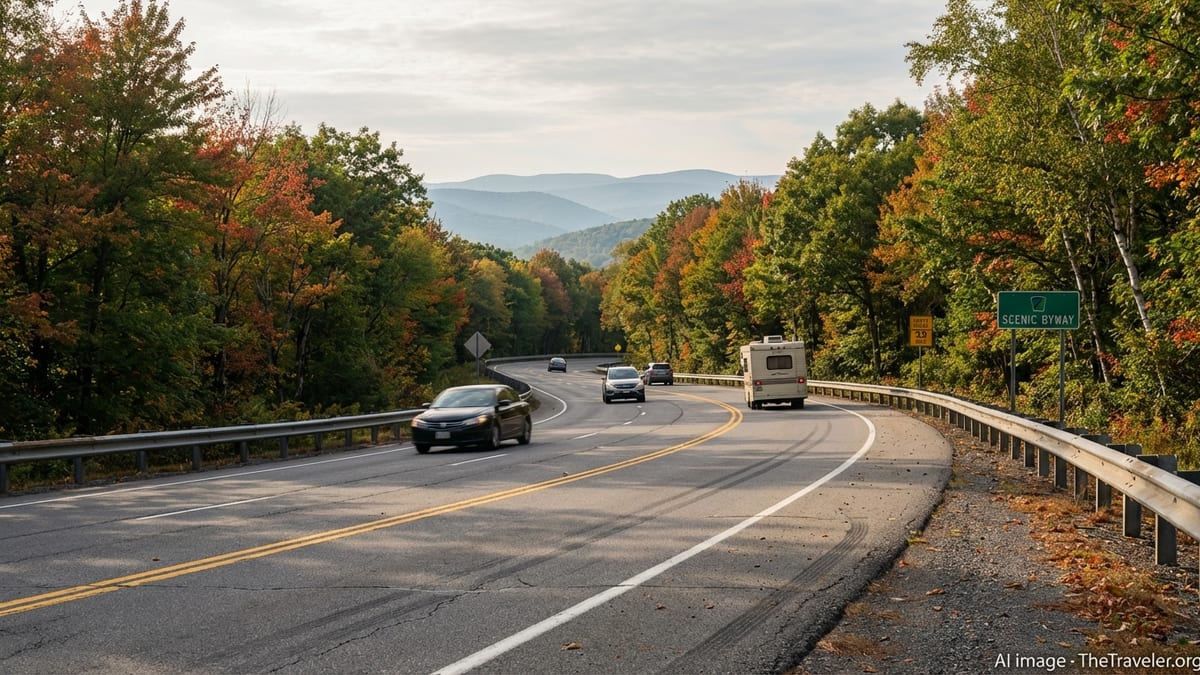
One of the most common planning errors is treating Pennsylvania as if it were a compact city break rather than a large, varied state. Distances between key destinations are longer than they appear on a map, and routes often pass through mountains, river valleys, and congested metro corridors. Travelers who plan to see Philadelphia, Pittsburgh, Amish Country, and several state parks in a single long weekend quickly discover that much of their time is spent on the road rather than at the sights.
The drive between Philadelphia and Pittsburgh alone typically takes around five to six hours, even in good weather and without major incidents. Add construction zones, truck traffic, and routine congestion around Harrisburg or the eastern suburbs of Pittsburgh, and it is easy for travel days to stretch. Visitors who stack multiple city visits and rural detours into a tight schedule often arrive late, miss museum hours, or abandon side trips entirely.
Many itineraries also ignore how highways in Pennsylvania intersect. Reaching popular areas such as the Poconos, the Laurel Highlands, or the Pennsylvania Wilds can involve long stretches on interstates with few services or slower twisting secondary roads. Without realistic drive-time estimates, travelers underestimate fatigue and overestimate how much sightseeing they can fit into each day. Building in buffer time for each major transfer and trimming the number of bases often leads to a more relaxed and rewarding trip.
A simple way to avoid this mistake is to treat Pennsylvania the way you would a small country rather than a single destination. Focus on one or two regions for a short visit, cluster attractions that are truly close to one another, and accept that some famous sights are better saved for a future trip. With expectations calibrated to the state’s real scale, the journey between stops becomes part of the experience rather than a source of stress.
Ignoring Seasonal Weather and Mountain Driving Conditions
Another major planning oversight is assuming Pennsylvania’s weather behaves like a generic Mid-Atlantic forecast. In reality, the state’s climate varies sharply by season and region, especially across the Allegheny Plateau and Appalachian ridges. Winters bring snow, ice, and sudden snow squalls to interstates such as I 76, I 80, and I 81, while even shoulder seasons can see quickly changing conditions at higher elevations. Travelers who plan ambitious winter or early spring road trips without checking forecasts or road advisories often find themselves rerouting or white-knuckling long stretches of highway.
Recent state transportation updates emphasize the dangers of rapid weather shifts, particularly snow squalls that can reduce visibility to near zero in seconds and trigger multi-vehicle crashes. Authorities regularly respond with variable speed limits, temporary vehicle restrictions, and recommended detours on sections of major interstates. Visitors unfamiliar with these practices may be surprised to find reduced limits, closed ramps, or tiered restrictions on certain vehicles during storms, stretching drive times well beyond what navigation apps initially suggest.
Even in autumn, fog, wet leaves, and early season ice can complicate drives through rural and mountainous regions. Travelers who schedule sunrise hikes or late-night arrivals at cabins sometimes fail to account for narrow, winding roads with poor lighting and limited cell service. In summer, heavy thunderstorms can flood underpasses or slow traffic significantly along busy corridors to the shore or the Poconos.
Good planning starts with checking multi-day forecasts and statewide traveler information before committing to long drives, especially in winter. It is sensible to plan shorter winter travel days, avoid late-night arrivals on mountain roads, and leave flexibility to delay drives when conditions deteriorate. Packing basic emergency supplies in the car, from warm layers and blankets to water, snacks, and a charged power bank, is a simple precaution that can make a major difference if a closure or pileup strands traffic for hours.
Overpacking Itineraries in Philadelphia and Pittsburgh
Pennsylvania’s two largest cities are often treated as quick side stops, leading many visitors to cram too much into too little time. In Philadelphia, travelers commonly underestimate how long it takes to move between historic Old City, the Museum District along the Benjamin Franklin Parkway, the Italian Market, and neighborhoods in West or South Philadelphia. Tight schedules leave little room for lingering in galleries, queuing for popular attractions, or simply wandering side streets that reveal the city’s character.
Similar mistakes occur in Pittsburgh, where geography plays a larger role than many visitors anticipate. The city’s rivers, bridges, and hills shape travel patterns, and crossing from one neighborhood to another can take longer than expected, particularly during rush hours or when there is an event at a stadium or arena. Visitors who plan back to back activities on opposite sides of the rivers often spend more time in rideshares or behind the wheel than they planned.
Another planning trap is treating both cities as purely checklist destinations. Travelers try to see every major museum, observation deck, and neighborhood in a single day, leaving no time for serendipity. This approach can be tiring and can dull the impact of important cultural sites. Museum fatigue, rushed meals, and skipped local experiences are telltale signs of an overpacked urban itinerary.
Building a smarter plan means choosing a small number of priority experiences each day and grouping them by neighborhood. In Philadelphia, you might dedicate one full day to Old City and the waterfront and another to the Parkway museums and nearby neighborhoods. In Pittsburgh, organizing time around riverfront districts, hilltop viewpoints, and one or two adjacent neighborhoods keeps movement manageable. Leaving open windows in your schedule for unplanned coffee breaks, local markets, or parks often produces the most memorable moments.
Overlooking the Need for Advance Reservations
Travelers often assume that Pennsylvania’s natural and cultural attractions can be enjoyed on a drop in basis, only to discover that the most popular experiences now require advance bookings. This is especially true for accommodations and campsites near in demand state parks such as Ohiopyle, Ricketts Glen, Presque Isle, and other heavily visited destinations. Reservation systems allow bookings many months ahead, and during peak summer and fall foliage periods, campgrounds and cabins can sell out quickly.
The same dynamic applies to some tours, museums, and special events. Timed entry tickets and capacity limits, adopted widely over the past several years, mean it is no longer safe to assume you can walk up to a major attraction on a busy weekend and gain immediate entry. Visitors planning to see headline museums, underground tours, or high-profile historic sites may find the day’s slots already allocated if they arrive without prior arrangements.
Dining is another area where assumptions can derail plans. In regions with limited restaurant options, such as small towns near popular parks or trailheads, evening tables can book out early, especially on weekends and in high season. Travelers who rely entirely on spontaneous dining may end up with long waits, long drives to alternative options, or limited choices at gas stations and convenience stores.
Planning ahead does not have to remove spontaneity. A balanced strategy is to secure reservations for a few anchor experiences like lodging, campsites, or high demand attractions, then leave other blocks of time flexible. Booking at least one dinner per day in rural or resort areas helps ensure you have a reliable option when you are tired from sightseeing. Checking reservation windows for state park facilities and setting reminders when they open can make the difference between a scenic lakeside campsite and a long drive from an overflow hotel.
Misjudging Rural Infrastructure and Services
Visitors who spend most of their time in big cities elsewhere in the United States sometimes expect the same density of services in rural Pennsylvania. That expectation can lead to poor decisions about fuel, food, and communication. Large stretches of the state, particularly across the northern tier and central highlands, have limited gas stations, patchy mobile coverage, and few late night dining options. Those gaps may not be obvious on a map, yet they quickly become clear on an after dark drive through forested corridors.
Even some of the main interstates that cross the state include segments where services are sparse. Travelers relying solely on smartphone apps may lose signal just when they need directions, detour suggestions, or updated weather alerts. Others run their tanks low under the assumption that another exit with services will appear quickly, only to find long distances between open stations in certain regions and at off-peak hours.
Medical and mechanical assistance can also be slower to reach backcountry roads and remote park areas. Visitors who embark on long hikes or scenic drives without water, snacks, basic first aid, or a paper map place themselves at a disadvantage if plans change suddenly due to injury, weather, or road incidents. Misjudging the effort required for popular trails or underestimating how quickly daylight fades in fall and winter are related planning gaps that can leave travelers finishing hikes in the dark or exhausted far from trailheads.
Addressing these issues starts with adjusting expectations and preparing accordingly. Travelers should top off fuel before entering remote stretches, download offline maps, and carry simple provisions in the car even for day trips. When hiking or exploring rural byways, informing someone of your plan and timing, along with taking layered clothing and adequate water, reduces risk. Recognizing that Pennsylvania’s rural regions function more like true countryside than extended suburbs leads to better planning and a more relaxed experience.
Overlooking Cultural Nuance in Amish Country and Small Towns
Another common mistake is treating culturally distinct regions of Pennsylvania as theme parks rather than living communities. Areas associated with Amish and other plain groups, particularly in Lancaster County and parts of neighboring counties, draw many visitors interested in traditional farms, markets, and crafts. Problems arise when travelers arrive with only postcard images in mind and little understanding of local customs, privacy expectations, or road etiquette around horse drawn buggies.
Some visitors plan tight photo-driven itineraries that inadvertently intrude on people’s homes, businesses, or religious practices. Others underestimate how slowly traffic can move on two lane rural roads shared by cars, tractors, and buggies, then grow impatient when behind a slower vehicle. This not only creates friction but can also raise safety concerns on hills or blind curves. Planning that fails to consider these realities often leads to frustration for both visitors and residents.
Similar issues crop up in small historic towns across the state. Travelers sometimes expect extended hours every day of the week, only to arrive when independent shops are closed or when a midweek lull leaves streets quieter than anticipated. Festivals, markets, and seasonal events can transform a town, but they typically occur on specific weekends and may require advance planning for parking and lodging. Assuming that every town runs on big city schedules risks disappointment.
Better planning involves learning basic cultural norms in advance, such as avoiding direct close up photos of individuals in communities that value privacy and giving wide berth to buggies on the road. It also helps to check local calendars and hours for markets, farm stands, and historic sites, especially outside summer. Approaching these regions as places where people live and work, rather than as backdrops, leads to more respectful encounters and often more meaningful conversations with local business owners and guides.
Underestimating Crowds at Parks, Trails, and Waterfronts
Many travelers imagine Pennsylvania’s outdoor spaces as quiet and uncrowded, but popular parks, trails, and lakes can be extremely busy in peak seasons. This is particularly true at marquee destinations with waterfalls, scenic overlooks, rail trails, and sandy beaches on major lakes. Warm weekends in summer and prime fall foliage periods draw heavy visitation, leading to full parking lots early in the day, lineups at restrooms, and rangers managing capacity at trailheads or beach access points.
Travelers who plan to arrive late morning at a popular state park may find entry temporarily restricted or key parking lots closed due to capacity. This can derail carefully timed hikes or paddling trips. Likewise, visitors expecting solitude on famous waterfall trails or cliffside paths are often surprised by photo queues, slow moving groups, and limited opportunities for quiet reflection at peak outlooks.
Waterfront areas require equally realistic planning. Lakeside and riverside towns can fill with day trippers on sunny weekends, especially where boating, tubing, or waterfront dining are available. Parking, rental equipment, and guided tour slots may be hard to secure without advance arrangements. Travelers who assume they can simply show up at midday and step directly into a kayak or onto a boat sometimes spend more time waiting than paddling or cruising.
To sidestep these pitfalls, it pays to research which parks and trails are especially popular and to align plans with that knowledge. Arriving early, visiting on weekdays, or aiming for shoulder seasons can dramatically improve the experience. Building backup options into your itinerary, such as alternate nearby trails or less famous parks, helps when a first choice is overwhelmed. Respecting closures and capacity limits, while frustrating in the moment, protects both visitor safety and the landscapes that draw people to Pennsylvania in the first place.
Neglecting Practical Costs, Tolls, and Parking Logistics
A final planning mistake involves overlooking the everyday costs and logistical details that shape how smoothly a trip unfolds. The Pennsylvania Turnpike and other toll facilities can add up, particularly on long cross state drives. Travelers who do not research toll rates or how to pay in advance may face higher by mail charges or surprise bills later. Those renting cars sometimes assume that toll transponders are included or inexpensive, only to discover additional fees from rental agencies.
Within cities, parking is another major consideration. In Philadelphia and Pittsburgh, on street parking can be limited, time restricted, or subject to resident permits in many central neighborhoods. Garage fees in downtown areas and near stadiums or museums may be higher than visitors expect. Travelers who drive everywhere often spend time hunting for spaces and managing meters rather than exploring on foot. On busy event days, garages can fill early or charge special event rates.
Public transit and walking are underused options in many itineraries. Visitors sometimes assume transit is confusing or slow and therefore default to rideshares or personal vehicles. In practice, strategic use of trains, buses, and even regional rail can simplify access to major attractions while avoiding parking stress. When plans are built around driving and last minute parking decisions, costs and delays inevitably climb.
Small planning steps can mitigate these issues. Before arrival, review toll policies, estimate likely charges along main routes, and decide whether a transponder or pay by plate arrangement works best for your trip. In cities, choose lodging that either includes parking or is well connected to transit, and plan at least some days to be largely car free. Pricing out parking near major sights ahead of time reduces surprises and may encourage you to walk or ride transit instead. These seemingly mundane details can significantly influence both budget and overall enjoyment.
The Takeaway
Travelers are often surprised by how much Pennsylvania offers and how quickly an ambitious itinerary can become unwieldy. Underestimating distances, seasons, and local realities leads to rushed sightseeing, stressful drives, and missed opportunities. Yet with thoughtful planning, the same state that can frustrate unprepared visitors becomes a rewarding mosaic of cities, small towns, and wild landscapes that invite deeper exploration.
The most effective antidote to common planning mistakes is to slow down. Focus on fewer regions, allow realistic travel times, and respect the influence of weather, crowds, and culture on what you can comfortably see in a day. Reserve key experiences in advance but leave room for unscripted discoveries, whether that means a quiet detour to a covered bridge, an extra half hour at a museum, or a sunset walk along a riverfront you had not marked on your map.
By treating Pennsylvania not as a quick detour between other destinations but as a primary focus of your travels, you can immerse yourself more fully in its character. With practical details under control and expectations aligned to the state’s true scale and diversity, you will be better positioned to experience the history, nature, and everyday life that make Pennsylvania worth more than a passing glance.
FAQ
Q1. How many days should I plan for a first trip to Pennsylvania?
For a first visit focused on one major city and a nearby region, many travelers find that four to six days offers a comfortable balance without feeling rushed.
Q2. Is it safe to drive across Pennsylvania in winter?
It can be safe with good preparation, but conditions can change rapidly on mountain highways, so you should monitor forecasts, allow extra time, and be ready to delay travel.
Q3. Do I need to rent a car for Philadelphia or Pittsburgh?
You can explore central areas of both cities without a car using transit, walking, and rideshares, but a vehicle is useful if you plan day trips into surrounding regions.
Q4. How early should I book campsites at popular Pennsylvania state parks?
For peak summer and fall weekends at well known parks, it is wise to secure campsites several months in advance, especially if you need specific dates or larger sites.
Q5. Are tolls on the Pennsylvania Turnpike expensive?
Tolls can be a noticeable part of your budget on long routes, so it helps to estimate costs beforehand and decide whether to use a transponder or alternative roads.
Q6. What is the best time of year to avoid crowds at popular parks?
Weekdays in late spring and early fall, outside major holiday periods, often provide milder weather, fewer crowds, and easier parking at popular outdoor destinations.
Q7. Will I have cell service in rural parts of Pennsylvania?
Coverage is good around cities and larger towns but can be unreliable in remote or mountainous areas, so downloading offline maps and carrying basic supplies is prudent.
Q8. Do I need to worry about cultural etiquette in Amish Country?
Yes, basic respect is important; avoid close up photos of individuals, give buggies space on the road, and remember that you are moving through people’s everyday lives.
Q9. Is public transportation a realistic option for visiting multiple regions?
Public transit works well within major cities and on some intercity corridors, but visiting smaller towns and many parks usually requires a car or organized tour.
Q10. How can I keep my Pennsylvania trip flexible without losing key experiences?
Reserve essential elements such as lodging and high demand attractions, then leave open blocks in your schedule to adjust for weather, crowds, and unexpected discoveries.