

More news on this day
Thousands of travelers across Asia and the Middle East are facing extensive disruption as a cascading wave of cancellations and delays linked to the ongoing conflict around Iran and Qatar continues to snarl airline operations from Tokyo and Bengaluru to Jakarta, Abu Dhabi and beyond.
Get the latest news straight to your inbox!
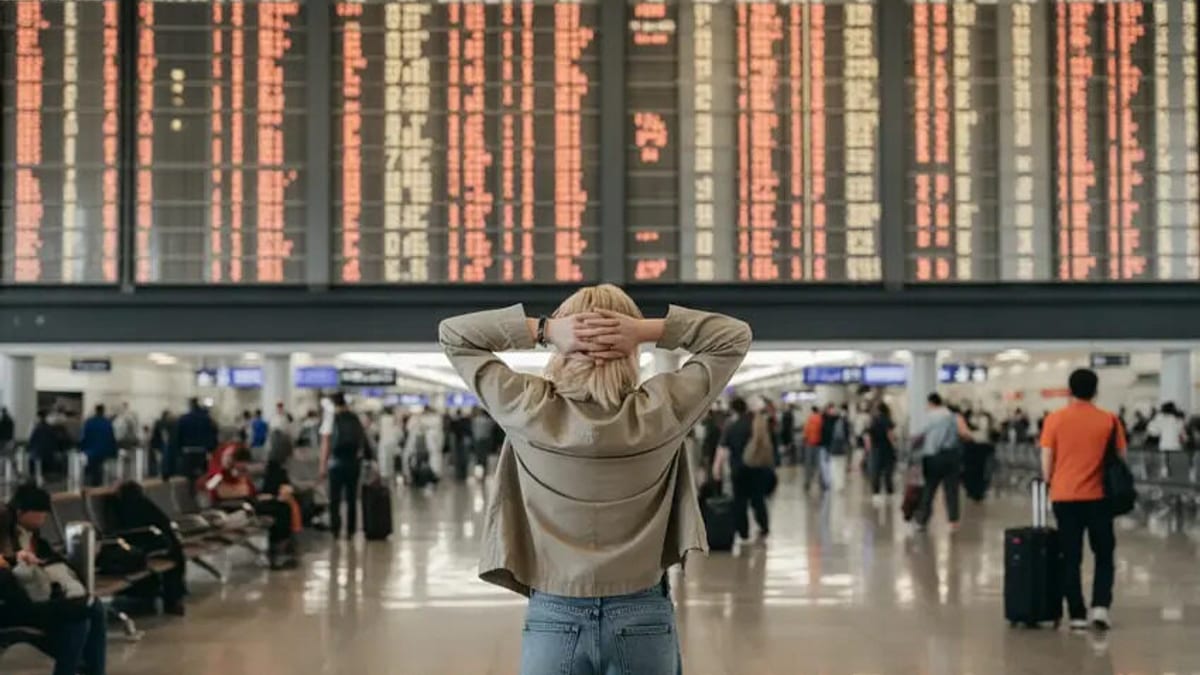
Image by Latest International / Global Travel News, Breaking World Travel News
Conflict and Airspace Closures Ripple Through Global Networks
Publicly available aviation data for late February and March 2026 indicates that airspace closures around Iran and Qatar, along with strike-related damage at major Gulf hubs, have triggered a shockwave of schedule changes across airline networks. After initial United States and Israeli strikes on Iran at the end of February, retaliatory missile attacks led to the temporary closure of Qatari airspace and restrictions over parts of Iraq and surrounding corridors, prompting diversions and suspensions that continue to affect long haul routes between Asia, Europe and North America.
Reports on recent aviation activity show that thousands of flights in the wider Middle East were cancelled or rerouted in early March as airports in Dubai, Abu Dhabi, Doha and Kuwait operated at reduced capacity or shut temporarily. With many Asian and European carriers relying on these hubs to connect east and west, the interruptions quickly propagated into secondary markets, dislocating passengers as far away as Japan, Thailand, India and Indonesia.
Operational databases and media coverage suggest that, on some peak days of the disruption, roughly 195 flights were fully cancelled and more than 2,600 delayed across the affected regions, as airlines reworked flight paths to avoid restricted airspace and dealt with knock-on crew and aircraft positioning problems. The combination of closed corridors, longer routings and constrained hub capacity has pushed many networks to their limits.
Hubs From Tokyo to Bengaluru and Jakarta Feel the Strain
In Northeast Asia, Japan’s role as a gateway between North America and Southeast Asia has been complicated by the turmoil further west. All Nippon Airways and other Japanese carriers have been adjusting schedules on routes that typically overfly parts of the Middle East, adding flight time or trimming frequencies where equipment and crew availability are tight. Travelers connecting through Tokyo to Europe have reported last-minute retimings and missed onward connections as inbound aircraft arrive outside their original slots.
Across South Asia, India’s fast-growing aviation market has also been drawn into the disruption. Bengaluru, Delhi and Mumbai host significant traffic that would normally feed into Gulf carriers and Asian airlines for onward journeys to Europe and Africa. With services into Doha and other Gulf hubs curtailed or operating on revised timetables, passengers in Bengaluru and other Indian cities have faced cancellations, lengthier layovers and rerouting via alternate hubs such as Singapore, Kuala Lumpur or direct services across the North Atlantic and North Pacific.
In Southeast Asia, major gateways including Bangkok and Jakarta have been managing stranded transit passengers and shifting demand patterns. Indonesia’s capital has seen its own operational challenges after recent incidents and weather-related pressures in the region, while also accommodating travelers who would traditionally route via Gulf hubs. Thailand’s tourism sector, heavily dependent on international arrivals, has been working to support visitors whose itineraries were interrupted when flights through Doha and other Middle Eastern transit points were suddenly withdrawn or heavily reduced.
Thailand, Singapore and Qatar at the Heart of Long-Haul Disruption
Thailand has become a focal point of the current disruption because of its popularity with European and Middle Eastern visitors and its dependence on long haul connecting traffic. Tourism and aviation officials in Bangkok have acknowledged through public statements that tens of thousands of tourists have seen trips extended unexpectedly, with some visitors struggling to cover additional accommodation and living costs while waiting for replacement flights.
Singapore, a key hub for traffic between Europe, Australia and Asia, has also been forced to adjust. According to airline bulletins and travel advisories, Singapore-based carriers have cancelled or retimed a number of services that normally operate via or near the affected Middle Eastern corridors. This has led to a surge in demand for alternative routings that avoid the Gulf entirely, including polar and Central Asian tracks, which in turn add pressure on aircraft utilization and crew duty rosters.
Qatar remains central to the story. Public information from aviation regulators and airline communications shows that Qatari airspace was fully closed in late February following missile strikes in the region, with only limited emergency and evacuation flights permitted in early March. Commercial operations at Doha’s Hamad International Airport have resumed only partially and remain subject to tight capacity constraints, meaning that many regular services in and out of Qatar continue to be cancelled, consolidated or rerouted via neighboring countries.
Airlines From Asia and the Gulf Forced Into Constant Replanning
The knock-on effect for carriers has been profound. All Nippon Airways, China Eastern Airlines, Gulf Air, Saudia and a range of other Asian and Middle Eastern airlines have all been identified in aviation tracking data and published coverage as experiencing cancellations and delays linked to the conflict and airspace restrictions. Many have reprogrammed flight paths to skirt affected areas, which can add hours to typical journeys and require additional fuel and crew, further tightening operational margins.
For Gulf-based airlines such as Gulf Air and Saudia, the combination of closed or restricted airspace and pressure on regional hubs has meant regularly updating schedules, consolidating lightly booked services and prioritizing essential routes. Some airlines have issued flexible rebooking policies and are encouraging passengers to accept later travel dates or alternative destinations when possible to relieve pressure on constrained networks.
Chinese carriers, including China Eastern, have faced a different but related set of challenges. While many of their core routes do not depend on Gulf hubs, flights between China and Europe often cross or abut restricted zones. Rerouting to avoid these areas lengthens flying times and can complicate connections at European airports, feeding further delays and missed onward legs for passengers continuing within the Schengen area or to North America.
Passengers Confront Long Delays, Complex Rerouting and Limited Options
For travelers caught in the middle of the disruption, the experience often begins with short-notice notifications of cancellations or significant delays. With hundreds of flights affected over a span of several weeks, available seats on alternative services have quickly filled, particularly on popular routes linking Asian leisure destinations like Phuket, Bangkok and Bali with European cities.
Many passengers have sought to rebook via alternate hubs such as Singapore, Kuala Lumpur, Hong Kong or Tokyo, but operational data and traveler accounts suggest that these airports are now managing elevated transfer volumes and occasional congestion at immigration and transit points. Longer routings via the Pacific or Southern Hemisphere, while avoiding the Middle East entirely, typically come with higher fares and extended travel times, making them an imperfect solution.
Industry observers note that airlines are trying to balance safety, regulatory requirements and commercial viability in a highly fluid environment. With no clear end date for the current conflict and associated airspace restrictions, schedules remain subject to rapid change. Travelers planning long haul journeys that would normally pass through or near the Middle East are being advised by public advisories and airline bulletins to monitor bookings frequently, allow generous connection buffers and prepare for the possibility of last-minute rerouting or extended stays at intermediate points.