

Evaluating a move to Mexico requires a clear, structured view of what a realistic monthly budget for two adults might look like. While costs vary significantly between major cities, secondary urban areas and smaller towns, Mexico generally allows couples to maintain a modest to comfortable standard of living at costs below many North American and European locations. This briefing outlines key cost drivers and provides indicative monthly ranges to support relocation planning and financial feasibility assessments.
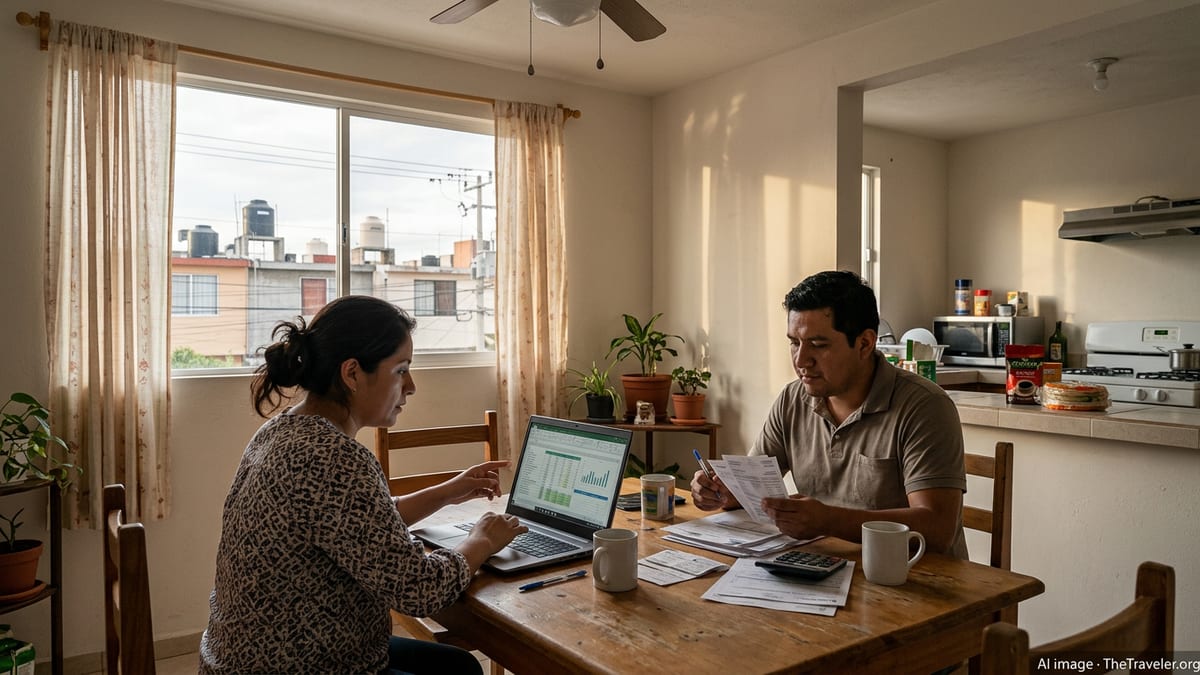
Overview of Typical Monthly Budgets for a Couple
Monthly living costs for a couple in Mexico vary widely by city size, housing choice and lifestyle. As of early 2025, a basic but decent standard of living in a mid-tier city is often feasible in the approximate range of 900 to 1,500 US dollars per month, excluding international flights and major one-off expenses. In high-demand urban centers or beach destinations, budgets more commonly fall between 1,500 and 2,500 dollars or more per month for a similar lifestyle.
For analytical purposes, a “couple” is assumed to be two adults sharing accommodation, preparing many meals at home, and using a mix of public transport and occasional app-based rides. The figures below include rent, utilities, food, local transport, communications, basic personal expenses and a modest entertainment allowance, but do not cover private international schools, luxury purchases or extensive travel.
Exchange rates and local inflation can shift cost levels. Mexico has experienced notable price increases in recent years in categories such as food and rent, particularly in cities that attract large numbers of foreign remote workers and retirees. Relocation planning should therefore incorporate contingency buffers of at least 10 to 20 percent above initial estimates.
The following sections break down the primary budget categories, highlight typical cost ranges, and present example monthly budgets for different city types to support comparative decision making.
Housing and Utilities within the Monthly Budget
Although this analysis focuses on the overall cost of living, housing and utilities typically represent the single largest line item in a couple’s monthly budget in Mexico. For many households, rent plus essential utilities can absorb between 30 and 50 percent of total monthly spending, and in some high-demand neighborhoods even more.
In major cities and popular coastal areas, a one-bedroom or small two-bedroom apartment in a central or desirable neighborhood suitable for a couple often falls roughly in the 450 to 900 dollar per month range, depending on size, amenities and exact location. In secondary cities and smaller inland towns, comparable accommodation is frequently available in the 250 to 500 dollar range, with some basic options below this level further from city centers.
Utilities typically add another 60 to 150 dollars per month for a couple, depending on air conditioning use, building efficiency and regional climate. This bundle usually includes electricity, water, gas and a basic internet plan. In hot coastal or tropical areas where air conditioning runs for many hours a day, electricity bills can rise significantly, and couples should factor in seasonal peaks.
When evaluating affordability, couples often benchmark total housing and utilities at around 400 to 1,050 dollars per month in many common relocation destinations, with lower figures more realistic in smaller cities and higher figures in premium neighborhoods in Mexico City, Guadalajara, Monterrey and major resort zones.
Food, Groceries and Dining Out
Food costs for a couple in Mexico can be managed efficiently if most meals are prepared at home using local products. A realistic monthly grocery budget for two adults typically ranges from 200 to 350 dollars in many urban areas, assuming a diet based on local staples, fresh produce and moderate consumption of imported goods. Frequent purchase of imported or specialty items can push this range higher.
Dining out is generally more affordable than in many Western countries, but regular restaurant use still has a visible impact on the monthly budget. Casual local restaurants, street food and small eateries can provide full meals at relatively low per-person prices, while mid-range and international restaurants in major cities can be considerably more expensive. A couple eating out several times per week at modest establishments might allocate 120 to 250 dollars per month to dining and coffees. Those favoring mid-range venues, bars and international cuisines may need 250 to 450 dollars or more.
Combining groceries and dining out, many couples find that a realistic monthly food budget sits in the range of 350 to 700 dollars, with frugal, home-cooking households at the lower end and more restaurant-oriented lifestyles at the higher end. Regional price variation exists, but major differentials are often driven more by consumption patterns than by location alone.
Couples evaluating relocation should consider whether they plan to replicate their current food habits or adapt them to local price structures, as this is a lever that can materially reduce or increase total monthly spending.
Transportation and Local Mobility Costs
Transportation is a relatively flexible cost component in Mexico and can be optimized based on city choice and lifestyle. In large urban centers with established public transport networks, couples can often rely on metro systems, buses and app-based ride services with modest monthly outlays, whereas car ownership introduces higher fixed and variable costs.
In cities with metro or bus systems, a combined monthly spend of roughly 30 to 80 dollars for two adults is common if the couple makes regular use of public transit and supplements with occasional ride-hailing. In smaller cities or suburban areas where public transport is less convenient, reliance on taxis and ride-hailing can raise monthly costs to approximately 80 to 150 dollars, depending on frequency and distance.
Maintaining a private vehicle significantly alters the budget profile, adding fuel, insurance, maintenance and possible parking fees. Monthly vehicle-related expenses for a single car can easily reach 150 to 300 dollars or more, depending on usage patterns and coverage choices. Many foreign couples in dense central neighborhoods opt to avoid car ownership to keep budgets lean and reduce complexity.
For planning purposes, couples who prioritize walkable locations and public transport can often target transportation budgets around 40 to 120 dollars per month, whereas car-dependent lifestyles should plan on materially higher expenditures.
Communications, Personal Expenses and Discretionary Spending
Mobile phone and internet costs in Mexico are generally moderate compared with many high-income countries, but quality and speed can vary by provider and neighborhood. A couple with two mobile phone plans and a fixed home internet connection might typically allocate around 35 to 80 dollars per month for communications, with the low end reflecting basic data packages and the high end including higher-speed plans or premium bundles.
Personal care, household supplies and basic clothing can add another 80 to 200 dollars per month for two adults, depending on brand preferences, frequency of purchases and whether items are sourced from local markets or international retailers. These categories tend to feel familiar to most newcomers, with prices for local brands often lower than in North America or Western Europe, and imported premium brands priced similarly or higher.
Entertainment and leisure spending is highly discretionary but can meaningfully influence total monthly costs. A modest entertainment budget for a couple, covering occasional cinema visits, low-key nightlife, local events, and minimal short excursions, might be in the 80 to 200 dollar range. More active social lifestyles, frequent bar and restaurant visits, or regular domestic travel would require higher allocations.
When combined, communications, personal expenses and discretionary leisure often fall between 200 and 450 dollars per month for a couple attempting to balance cost control with reasonable comfort.
Sample Monthly Budgets for Different City Profiles
The following indicative budgets synthesize the preceding categories into three typical profiles for a couple living in Mexico. These are illustrative scenarios to support planning rather than fixed price points, and all figures are approximate.
Scenario A: Frugal Couple in a Smaller Inland City
• Rent and utilities: 350 to 450 dollars
• Groceries and limited dining out: 250 to 350 dollars
• Local transport (mostly public or walking): 40 to 70 dollars
• Communications: 35 to 50 dollars
• Personal and entertainment: 120 to 180 dollars
Estimated total: approximately 800 to 1,100 dollars per month.
Scenario B: Moderate Lifestyle in a Mid-Sized City
• Rent and utilities: 500 to 700 dollars
• Groceries and some dining out: 350 to 500 dollars
• Transport (public plus ride-hailing): 60 to 120 dollars
• Communications: 45 to 70 dollars
• Personal and entertainment: 180 to 260 dollars
Estimated total: approximately 1,100 to 1,650 dollars per month.
Scenario C: Comfortable Lifestyle in a High-Demand Urban or Coastal Area
• Rent and utilities: 800 to 1,100 dollars
• Groceries and frequent dining out: 450 to 700 dollars
• Transport (including regular ride-hailing or car): 120 to 250 dollars
• Communications: 60 to 90 dollars
• Personal and entertainment: 250 to 400 dollars
Estimated total: approximately 1,700 to 2,500 dollars or more per month.
These profiles highlight that the largest budget driver is housing, followed by food and lifestyle-related choices. Couples willing to compromise on location, apartment size and restaurant frequency can substantially reduce their total monthly costs.
Cost Variations Between Major Cities and Regions
Within Mexico, cost differentials between regions and city types are material and should be explicitly accounted for in relocation planning. Mexico City, Monterrey and Guadalajara are typically at the higher end for rents and some services, while many smaller inland cities and towns offer considerably lower housing costs and only slightly lower prices for groceries and everyday expenses.
Coastal and tourism-driven areas with strong international demand can be priced comparably to large metropolitan centers in terms of rent, dining and certain consumer services. Neighborhoods popular with foreign residents often see elevated prices relative to local income levels, particularly for newly built or renovated properties and international-style dining and cafes.
In contrast, mid-sized inland cities that are not major international tourism hubs often provide the most favorable ratios between quality of life and cost. Rents in central areas can be significantly below those found in top-tier cities, while access to supermarkets, local markets and essential services remains good. However, imported goods, certain specialized services and premium entertainment may not be cheaper than in larger cities.
Couples should therefore approach “cost of living in Mexico” as a highly localized question, conducting city-specific and even neighborhood-level comparisons instead of relying on a single national average figure.
The Takeaway
For couples assessing relocation to Mexico, the cost of living can be attractive, but it is not uniformly low across the country. A realistic monthly budget for two adults typically spans from under 1,000 dollars in smaller inland cities with a frugal lifestyle to 2,500 dollars or more in high-demand urban or coastal areas with a more comfortable consumption pattern.
The most influential variables within the budget are rent, neighborhood choice, frequency of dining out and transportation strategy. Decisions such as living slightly outside premium districts, prioritizing home cooking, and relying on public transport can all materially reduce monthly spending while still providing a reasonable standard of living.
Because inflation and exchange rates can shift conditions over time, couples are advised to treat all figures as indicative ranges and build in conservative buffers when assessing long-term affordability. Structured, category-by-category budgeting provides a more reliable basis for a relocation decision than informal anecdotes or generic averages.
FAQ
Q1. What is a realistic minimum monthly budget for a couple in Mexico?
A basic but decent standard of living in a smaller or mid-sized inland city is often achievable in the range of approximately 900 to 1,200 US dollars per month, assuming modest housing, home cooking and limited discretionary spending.
Q2. How much should a couple expect to pay for rent each month?
In many popular cities, a couple can expect to pay about 250 to 500 dollars per month for a modest apartment in a smaller inland city and roughly 450 to 900 dollars or more in major cities or coastal destinations, depending on size, condition and neighborhood.
Q3. What portion of the monthly budget typically goes to housing and utilities?
Housing and utilities often represent 30 to 50 percent of a couple’s total monthly spending, with higher percentages common in premium neighborhoods or high-demand coastal areas.
Q4. How much does food usually cost for two adults per month?
Combining groceries and dining out, many couples spend between 350 and 700 dollars per month, with lower amounts possible for those who cook most meals at home and limit restaurant visits.
Q5. Are transportation costs in Mexico significant for a couple?
Transportation costs can be modest if a couple mainly uses public transit and walks, often around 40 to 120 dollars per month. Costs rise substantially with regular ride-hailing use or car ownership, which can add 150 to 300 dollars or more per month.
Q6. How much should be allocated for communications and internet?
A typical allocation for two mobile phone plans and home internet is around 35 to 80 dollars per month, depending on data needs, speed requirements and provider selection.
Q7. What is a reasonable amount for entertainment and going out?
A modest entertainment budget, including occasional meals out, cinemas and social activities, might be in the range of 80 to 200 dollars per month, with higher figures for more frequent nightlife and dining.
Q8. Do coastal and resort areas cost significantly more than inland cities?
Yes, many coastal and resort areas with strong international demand have higher rents and often higher restaurant and service prices, making total monthly budgets there noticeably higher than in comparable inland cities.
Q9. How much should couples add as a buffer for inflation and exchange rate changes?
It is prudent to add a buffer of roughly 10 to 20 percent on top of initial cost estimates to account for inflation, currency fluctuations and personal spending variations over time.
Q10. Is it possible for a couple to live comfortably on 1,500 dollars per month in Mexico?
In many mid-sized inland cities and some neighborhoods of larger cities, 1,500 dollars per month can support a comfortable but not luxurious lifestyle for a couple, provided they choose mid-range housing, cook frequently at home and manage discretionary spending carefully.