

Italy rewards travelers who slow down, look around, and pay attention to how locals actually live. Knowing a few basic customs and points of etiquette will not only help you avoid awkward moments, it will also open doors to warmer service, friendlier conversations, and a more authentic connection with the country. From greetings in a neighborhood cafe to what you wear in a church or how you handle the bill at dinner, these are the unspoken rules every visitor should understand before exploring Italy.
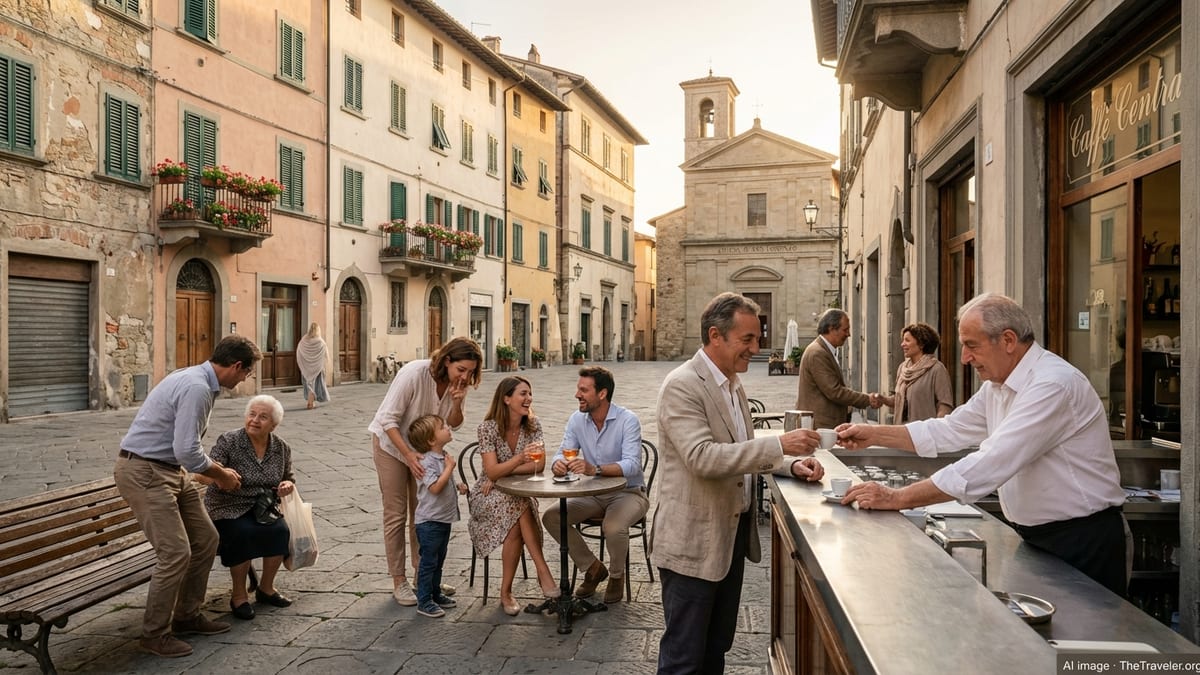
Greetings, Politeness and First Impressions
Italian daily life is built on small gestures of courtesy, and tourists are noticed when they skip them. When you enter a shop, cafe, or small restaurant, it is polite to greet staff with a simple “Buongiorno” in the morning or “Buonasera” from late afternoon onward. Saying nothing and going straight to the counter can be perceived as abrupt, even if no one comments directly. When you leave, a friendly “Grazie, arrivederci” signals that you appreciate the interaction, however brief.
“Ciao” is widely known but is considered informal. It is most appropriate among friends, family, or peers, and can sound overly familiar if used with older people, hotel staff, or strangers you have just met. A safe rule is to start with the more formal “Buongiorno” or “Buonasera” and let locals switch to “Ciao” if they wish. Handshakes are common in more formal situations, while cheek kisses are typically reserved for people who already know each other.
Volume and body language matter as much as words. Italians can be expressive and use lots of hand gestures, but they are often more sensitive than visitors expect about loud voices in quiet streets, on trains, or inside buildings. Keeping your voice at a moderate level in public transport, residential neighborhoods, churches, and small restaurants will help you blend in and avoid drawing unwanted attention.
Respectful forms of address are still used, especially with older people or in formal settings. You may hear “Signore” (sir), “Signora” (madam), or “Signorina” (miss). Using these, along with “Scusi” for “excuse me” when you need to pass or ask a question, shows you are making an effort to follow local manners.
Dress, Appearance and Bella Figura
Italians tend to care deeply about appearance, a concept often summed up by the phrase “bella figura,” loosely meaning to present yourself well. This does not require designer clothes, but it does mean clean, well-fitted outfits that are appropriate for the setting. Gym clothes, very baggy items, or worn-out sneakers are usually kept for workouts or very casual situations, not for strolling through city centers or dining out.
Shorts, tank tops, and flip-flops may be comfortable in summer but can stand out in many Italian cities away from the coast. In particular, rubber flip-flops are typically seen as beachwear rather than everyday footwear for museums or trattorias. Light leather sandals or simple, neutral-color sneakers are more in line with local expectations and handle cobblestones better.
Logos and bright slogan T-shirts are generally less common than in some other countries. Many Italians favor solid colors, subtle patterns, and minimal branding. Choosing simple outfits can make it easier to blend in, especially in historic centers and in the evenings. You do not have to give up your personal style, but slightly adjusting toward more understated, coordinated clothing will often lead to more respectful treatment from waiters and shop staff.
Above all, think about context. A sundress or neat shorts may be fine for a seafront promenade, but the same outfit could feel out of place at a refined wine bar in Florence. Bringing a lightweight scarf or cardigan allows you to adapt your look quickly when you move from beach or park to a church or higher-end restaurant.
Visiting Churches and Sacred Sites
Some of Italy’s most important landmarks are active churches, basilicas, and shrines, and they are used for worship as well as sightseeing. Modest dress is essential: shoulders and upper arms should be covered, and hemlines should reach around the knee. This applies to both men and women. At major sites such as St. Peter’s Basilica in Rome, staff may refuse entry if clothing is too revealing, regardless of how long you have waited in line.
Carrying a light scarf, shawl, or large cotton bandana is an easy solution for covering bare shoulders or low necklines before you go inside. Knee-length shorts or skirts are generally acceptable, but very short shorts and cropped tops are not. When in doubt, err on the side of more coverage. Hats should be removed, and large backpacks may sometimes be requested to be carried in front or stored to avoid brushing against artwork or other visitors.
Behavior inside religious buildings should reflect that they are places of prayer. Keep your voice very low, silence your phone, and avoid making calls or video chats. Eating, drinking, or sitting on steps or altars is inappropriate. Photography rules vary by church: some allow photos without flash, others prohibit photography entirely, and many forbid flash because it can damage centuries-old paintings. Look for posted signs and follow staff instructions without argument.
Even if you are not religious, showing respect signals that you understand the cultural and historical importance of these spaces for Italians. Taking a moment to sit quietly, observe worshippers, and absorb the atmosphere can be a meaningful part of your visit, and locals tend to appreciate visitors who do not treat these places as just another backdrop for selfies.
Dining Etiquette, Meal Times and Tipping
Meals in Italy are social rituals rather than quick refueling stops, and rushing or multitasking through them can feel out of step with local habits. Lunch is often the main meal of the day, typically between about 12:30 and 14:30, while dinner usually starts around 19:30 or later. In smaller towns you may find restaurants closed outside these hours, and eating a full hot meal in the late afternoon is uncommon.
At sit-down restaurants it is customary to wait to be seated, even if tables look free. Once at the table, you will generally not be hurried. Courses come at a relaxed pace, and it is perfectly normal to linger after dessert or coffee. If you are in a rush, it is better to choose a bar or cafe where eating quickly at the counter is expected rather than trying to speed up a full-service meal.
Italian menus are often structured into courses: antipasti, primi, secondi, contorni, dolci. You are not required to order from every section; choosing just a pasta dish and a salad is fine. Bread may arrive automatically, and many places charge a fixed “coperto” per person, which covers bread and table service. You may also sometimes see a “servizio” line on the bill, indicating a service charge, especially in tourist-heavy areas.
Tipping works differently than in some countries. A large percentage tip is generally not expected. If a service charge has already been added, leaving an additional amount is optional. If there is no service charge and you enjoyed the meal, rounding up the total or leaving a few euro in cash is a courteous gesture, particularly at nicer restaurants. In casual cafes and bars, especially if you stand at the counter to drink your coffee, leaving small coins is appreciated but not required.
Table manners are simple but worth noting. It is polite to wait until everyone at the table is served before starting to eat, unless the host encourages you to begin. Keeping your hands visible, resting lightly on the table rather than in your lap, is common. Drinking cappuccino or other milk-based coffees after lunch or dinner is rare among Italians, who favor espresso later in the day. You will not be refused if you order one, but it will clearly mark you as a visitor.
Cafes, Bars and Everyday Food Culture
Italian bars are not just places for cocktails; they are the heart of daily coffee culture. At many traditional bars, the local rhythm is to pay first at the cashier, then take your receipt to the bar counter and order your drink. Standing at the counter is the most typical and often the cheapest way to enjoy a quick espresso. Sitting at a table, particularly in famous piazzas, can cost significantly more because of table service and location.
Coffee orders are more specific than simply asking for “a coffee.” If you request “un caffè,” you will receive a single shot of espresso. “Cappuccino” and “caffè latte” are mostly morning drinks, taken with or instead of breakfast. Ordering them in the late afternoon or after dinner is unusual but not offensive; just be aware that it is outside local custom. If you say “latte” on its own, you may be given a glass of milk, since “latte” simply means milk in Italian.
In markets and small food shops, it is good etiquette not to handle produce or bread yourself unless you are invited to do so. Many vendors prefer that you point to what you want and allow them to choose the specific pieces, especially for fruit, vegetables, and delicate items. This keeps the display tidy and avoids bruising goods. Using basic polite phrases such as “per favore” and “grazie” goes a long way toward friendly service.
Takeaway coffee and street snacking are still less common in many parts of Italy than in some other countries. While you will find gelato and casual bites, locals often pause to consume them rather than walking through museums or churches with food in hand. Sitting on monuments or church steps to eat can also be frowned upon or formally prohibited in some historic centers, where local authorities aim to protect delicate structures and preserve decorum.
Public Spaces, Transport and Social Norms
In Italian cities, public spaces are heavily used by both residents and visitors, and there are unwritten rules about sharing them. On buses, trams, and metros, it is courteous to offer your seat to elderly passengers, pregnant women, or people with visible disabilities. Speaking quietly on phones and avoiding loud music without headphones will help you avoid irritated looks from fellow passengers.
Queuing etiquette can vary. At some ticket counters or busy bars it may feel more like a loose cluster than a strict line. In these situations, eye contact, a small “Chi è l’ultimo?” (who is last?), and patience usually work better than trying to enforce rigid order. Pushing ahead or complaining loudly is more likely to cause tension than to speed anything up.
Smoking laws have tightened over time, and smoking is not allowed inside restaurants, bars, museums, or trains. Outdoor terraces are more flexible, though many venues still prefer that smokers sit in designated areas. Always check signs and follow the local practice you observe at each place. Dropping cigarette butts on historic pavements is frowned upon and can sometimes result in fines in strictly regulated zones.
Public displays of affection are common at a moderate level, particularly among younger couples, and are generally accepted in parks and piazzas. However, overly intimate behavior in churches, formal restaurants, or family-oriented spaces can make others uncomfortable. As a visitor, aiming for affection that is warm but discreet is a good balance.
Handling Money, Shopping and Service Culture
Service interactions in Italy may feel different from what some visitors are used to. In many shops, clerks expect a greeting before you begin browsing or asking questions. Walking in silently and immediately demanding a different size can be interpreted as rude. A brief “Buongiorno” and a moment of eye contact establish a more cordial tone and usually result in more helpful service.
In smaller stores, particularly food shops and markets, take a number if you see a ticket dispenser. Customers are often served according to these numbers rather than by queuing in a visible line. When it is your turn, step forward confidently and place your order. Trying to jump ahead of someone whose number has not yet been called can lead to firm but polite corrections from both staff and other customers.
When paying, it is increasingly common to use cards in cities and tourist areas, but some small trattorias, family-run guesthouses, and local markets still prefer cash. Keeping a reasonable amount of cash on hand avoids awkward moments at the register. If you are paying in cash, placing bills neatly on the tray or counter is standard; handing money with a flourish or tossing coins down can be taken as disrespectful.
Tipping outside restaurants follows similarly modest norms. Taxi drivers do not expect a large tip, but rounding up to the nearest euro or leaving a small extra amount for helpful service is appreciated. In hotels, leaving a few euro for housekeeping, especially after a longer stay, is a kind gesture, though not required. Tour guides on group or private tours often receive tips when they have provided particularly engaging or attentive service, with amounts varying according to the length and nature of the tour.
The Takeaway
Italian etiquette is less about rigid rules and more about signaling respect for the shared spaces, traditions, and daily rhythms that shape local life. If you greet people, dress in a way that suits the setting, move calmly through public spaces, and treat meals and sacred sites with care, you have already mastered much of what matters.
Perfect Italian is not necessary, and occasional missteps are inevitable. What counts most is your attitude: curiosity instead of judgment, patience instead of frustration, and a willingness to adapt slightly rather than expecting things to work exactly as they do at home. Visitors who follow these simple principles tend to receive warmer welcomes, better service, and a richer sense of connection throughout their travels in Italy.
FAQ
Q1. Is it rude to speak English in Italy if I do not know much Italian?
It is not considered rude, especially in major tourist areas, but making an effort with basic Italian greetings and polite phrases is appreciated and often leads to friendlier interactions.
Q2. How formally should I dress for dinner at a typical restaurant?
Smart casual clothing is usually enough. Clean shoes, neat trousers or a skirt, and a simple shirt or dress will fit in at most trattorias and mid-range restaurants.
Q3. Can I wear shorts in Italian cities during summer?
You can, especially in very hot weather, but very short shorts may stand out in historic centers. Longer, tailored shorts are more in line with local norms, and you should switch to something more modest when visiting churches.
Q4. What is the correct way to order and drink coffee in Italy?
For a quick, typical experience, stand at the bar and order “un caffè,” which means espresso. Milk-based coffees like cappuccino are usually taken in the morning and rarely after a full meal.
Q5. How much should I tip in restaurants?
If there is a service charge on the bill, extra tipping is optional. Otherwise, rounding up the total or leaving a few euro in cash for good service is polite but not obligatory.
Q6. Is it acceptable to talk loudly on public transport?
Speaking at a normal volume is fine, but very loud conversations, speakerphone calls, or music without headphones are considered inconsiderate on buses, trains, and trams.
Q7. What should I know about visiting churches and cathedrals?
Dress modestly with covered shoulders and roughly knee-length hemlines, remove hats, keep your voice low, and follow any posted rules about photography, especially restrictions on flash.
Q8. Do I need to ask permission before photographing people?
It is respectful to ask before taking close-up photos of individuals, especially children or people in religious settings, and to accept a refusal gracefully if they prefer not to be photographed.
Q9. Are public displays of affection acceptable?
Moderate affection, such as holding hands or a brief kiss, is widely accepted, but very intimate behavior in churches, formal restaurants, or family spaces can be seen as inappropriate.
Q10. How can I show respect when shopping in markets and small shops?
Greet staff when you enter, avoid handling produce unless invited, wait your turn, and use simple polite phrases. Paying calmly and thanking the vendor will usually earn you warm service.