

More news on this day
Cyprus’s tourism boom is showing signs of strain as regional security fears and shifting travel advice weigh on demand from core European markets, prompting warnings from business groups that government support measures are falling short.
Get the latest news straight to your inbox!
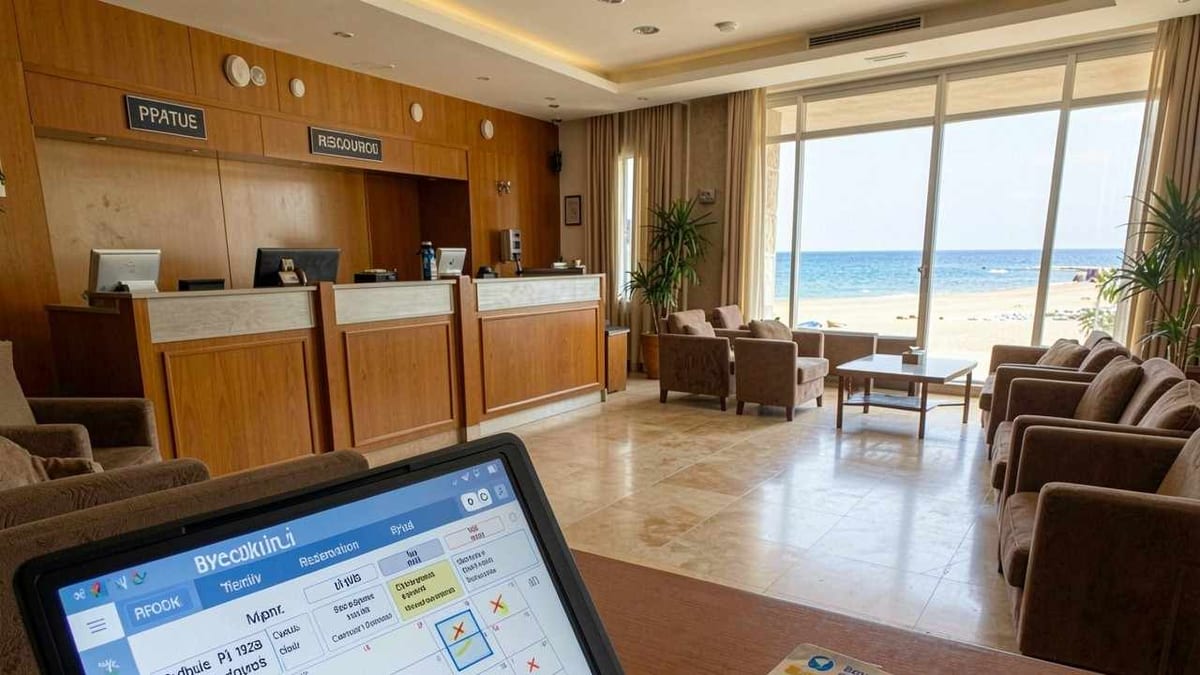
Image by Latest International / Global Travel News, Breaking World Travel News
From Record Highs To Sudden Anxiety
Cyprus entered 2026 on the back of record tourism figures, with passenger numbers through Larnaca and Paphos airports having set all time highs in 2025 and arrivals from Europe climbing steadily. Industry data indicated strong growth driven by visitors from the United Kingdom, Israel, Poland, Greece, France and Germany, markets that together account for the majority of the island’s tourist traffic.
That momentum has been abruptly checked by the widening conflict involving Iran and the recent drone strikes on the British military base at RAF Akrotiri. Travel reports describe would be holidaymakers “thinking twice” about visiting an island now repeatedly mentioned in coverage of the Middle East crisis, even though Cyprus itself remains outside the war zone.
Early booking patterns for the 2026 summer season suggest a clear cooling of demand. Hoteliers and travel agents report a sharp rise in cancellations for stays in Larnaca, Paphos and the Famagusta region, with some coastal properties now revising down their occupancy forecasts for the crucial July and August period.
The sudden reversal has raised concerns that Cyprus, which relies heavily on tourism as a pillar of its economy, could see a repeat of the post pandemic slump, this time driven not by health restrictions but by geopolitical risk and shifting consumer sentiment.
Key Source Markets Pull Back
The United Kingdom, long Cyprus’s single largest tourism market, appears to be leading the retreat. British holidaymakers have been particularly sensitive to changes in perceived security, with publicly available booking data and comments from UK based travel agents pointing to a notable drop in new reservations for Cypriot resorts since early March.
Reports in the UK press highlight that some travellers are switching to alternative destinations in Spain, Portugal and the western Mediterranean, citing concerns over the proximity of Cyprus to active conflict zones and the presence of foreign military infrastructure on the island. Online travel forums also show would be visitors postponing or rerouting trips in response to updated travel advisories.
Similar patterns are emerging in Germany, Poland, France and Greece, all of which had seen strong growth in arrivals to Cyprus over the past two years. Analysts note that these markets are now showing weaker forward bookings, with some tour operators reducing capacity or rebalancing packages towards destinations perceived as less exposed to regional tensions.
The Israeli market, previously the second most important source of visitors after the UK, had already been disrupted by the earlier Gaza conflict. The latest escalations and travel restrictions have further constrained outbound tourism from Israel, removing another key driver of growth for Cypriot hotels and airlines.
Airline Capacity And Booking Strain
The shifting sentiment is feeding directly into airline performance on Cyprus routes. British Airways and EasyJet, which both expanded schedules to the island during the recent boom, are now facing weaker load factors on certain services, according to industry commentary and aviation data trackers monitoring European traffic.
Aviation analysts note that while airlines have not announced large scale route withdrawals, there are early signs of tactical adjustments. These include reduced frequencies on some UK Cyprus and central European Cyprus routes and increased use of smaller aircraft outside peak weekends, a typical response when bookings soften.
Low cost carriers that had capitalised on surging demand from Poland, Germany and France are also reassessing capacity. Some seats originally earmarked for Cyprus are reportedly being redeployed to western Mediterranean resorts where demand has held up better, reflecting a broader trend of travellers shifting away from destinations closer to the Middle East.
Airline executives are understood to be closely tracking booking curves for the coming months. If demand from core markets fails to recover by late spring, further schedule trims are considered likely, a move that would in turn limit last minute travel options and risk deepening the downturn for Cypriot tourism operators.
Hotels Brace For A Difficult Season
On the ground, Cyprus’s hotel sector is preparing for a challenging summer. Beachfront resorts that only months ago were planning for near full occupancy now report substantial gaps in their reservation calendars, despite discounting and promotional campaigns aimed at stabilising demand.
Industry figures circulating in local media point to cancellation rates in some areas reaching a quarter or more of previously confirmed bookings. In Larnaca, occupancy levels that typically hover around 60 percent for the shoulder season have reportedly slipped closer to 40 percent, increasing pressure on margins just as operating costs rise.
Smaller, family run hotels and guesthouses appear especially exposed. Many expanded or renovated during the boom years and are now contending with higher debt servicing requirements, wage bills and energy costs. With weaker cash flow and limited access to financing, these businesses are warning that a prolonged downturn could force closures or forced sales.
Larger chains and all inclusive resorts have more tools at their disposal, including reallocating capacity to late booking markets and negotiating incentives with tour operators. Even so, several have begun to scale back seasonal hiring plans and to delay non essential investments until there is greater clarity on how demand will evolve through the peak months.
OEB Sounds Alarm On “Inadequate” Support
The Employers and Industrialists Federation, known locally as OEB, has emerged as one of the most vocal critics of the current policy response. In recent statements covered by the Cypriot press, the organisation has argued that existing support measures for tourism and related sectors are inadequate for the scale of the shock now unfolding.
OEB representatives have pointed to the cumulative impact of successive crises on the industry, from the loss of Russian visitors after the invasion of Ukraine to the disruption of the Israeli market and now the fallout from the Iran war and drone strikes. The group maintains that many businesses exhausted their financial buffers during the pandemic and cannot absorb another steep fall in revenue without targeted assistance.
Proposals aired in public debate include time limited tax relief, subsidised credit lines for hotels and tourism suppliers, and enhanced support for marketing campaigns promoting Cyprus in alternative source markets. There have also been calls for more transparent communication regarding security measures and contingency planning, aimed at reassuring both airlines and travellers.
For now, the government has signalled that it is monitoring developments and conducting impact assessments, while emphasising that tourism arrivals remain positive compared with pre pandemic baselines. However, unless confidence returns quickly in Cyprus as a safe and attractive holiday choice, industry observers caution that the island’s recent tourism boom risks turning into a prolonged slowdown just as broader economic headwinds intensify.