

Small in size but packed with character, Delaware blends classic East Coast beach culture with colonial history, quiet marshlands, thriving small towns, and a surprisingly sophisticated food and arts scene. Whether you are planning a summer beach escape, a fall foliage road trip, or a quick weekend in Wilmington and the Brandywine Valley, the First State is compact enough to explore yet varied enough to keep you coming back.
Why Visit Delaware Now
Delaware has emerged from the shadow of its larger Mid-Atlantic neighbors as a destination in its own right. Recent tourism figures show tens of millions of annual visitors, drawn by tax free shopping, easy access from major East Coast cities, and a growing reputation for clean, wide beaches and welcoming small towns. At the same time, the state still feels manageable and unhurried compared with more crowded beach destinations nearby.
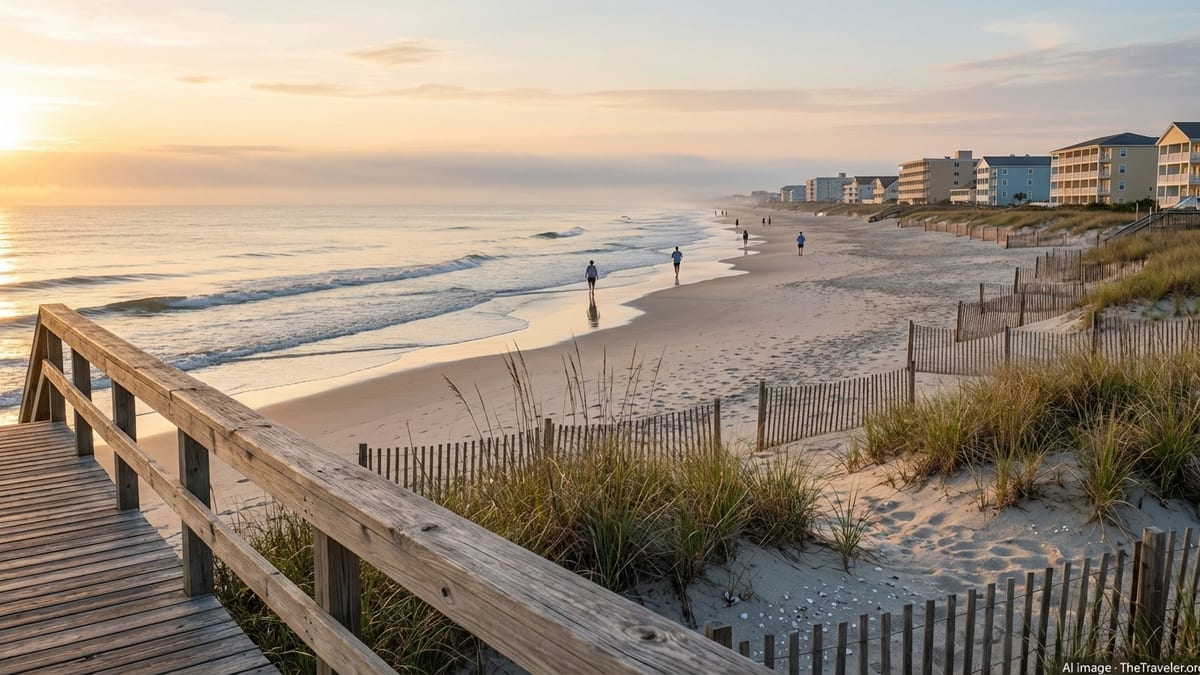
Much of Delaware’s appeal lies in its contrast. You can watch the sunrise over the Atlantic Ocean at Rehoboth or Dewey Beach, stroll a historic riverside green in New Castle by midday, then spend the evening in Wilmington sampling a contemporary food scene that has earned regional acclaim. Inland, wildlife refuges and state parks protect tidal marshes, forests, and ponds where birdlife and seasonal color change the landscape throughout the year.
For many travelers, Delaware also works well as a quick, low stress escape. Distances are short, traffic is concentrated in a few predictable corridors, and planning can be simple. With a bit of advance knowledge about timing, transportation, and lodging, you can make the most of even a long weekend.
Best Time to Visit Delaware
Summer from late June through August is peak season along the Delaware Beaches, when water temperatures are warm, lifeguards are on duty, and most boardwalk attractions are fully open. Expect heavier traffic on coastal Route 1, higher room rates, and crowded parking in beach towns, especially on weekends. If you want classic boardwalk energy, live music at beach bandstands, and long days on the sand, this is the time to go, but book accommodation well in advance.
Late May and September into early October are often considered the sweet spots for many visitors. Ocean water can still be warm in early fall, but crowds thin, and lodging rates often ease. Daytime temperatures are typically comfortable for biking the Georgetown–Lewes Trail, walking historic districts, or exploring wildlife refuges. Spring can bring changeable weather but rewards visitors with blooming gardens in the Brandywine Valley and quieter beaches before schools let out.
Winter visits are quieter still and best suited to travelers interested in museums, historic sites, and tax free outlet shopping rather than beach time. Coastal towns like Rehoboth Beach and Lewes stay open year round but with a more local, laid back pace. Around the holidays, Wilmington and nearby estates often feature seasonal displays and events that can make a short break feel festive without summer crowds.
Key Regions and Highlights
The Delaware Beaches are the state’s headline attraction. Rehoboth Beach, often marketed as a summer capital for visitors from the Washington region, is known for its one mile boardwalk lined with restaurants, shops, and a long running family amusement area, along with a lively dining scene that stretches along the nearby highway corridor. South of Rehoboth, Dewey Beach sits on a narrow strip between the Atlantic Ocean and Rehoboth Bay and is popular with watersports enthusiasts and travelers who enjoy a compact, walkable bar and music scene.
Between and beyond these towns, Delaware Seashore State Park protects several miles of open beachfront, dunes, and bayfront shoreline, offering fishing, surfing, boating, and quieter stretches of sand compared with the center of town. Farther south, Fenwick Island and Bethany Beach lean more family focused and low key, with smaller downtowns and a slower atmosphere in summer.
In the north, Wilmington and the Brandywine Valley mix urban and rural experiences. Wilmington’s riverfront, arts institutions, and increasingly varied restaurants pair well with visits to nearby estates and gardens in the Brandywine Valley. To the south along the Delaware River, the city of New Castle preserves one of the region’s most complete historic districts, with cobbled streets, brick townhouses, and landmark buildings dating back to the 1600s.
Central and downstate Delaware reward travelers who venture off the main highways. Small towns anchor a landscape of farms, ponds, and wildlife refuges. Places such as Bombay Hook and Prime Hook national wildlife refuges, Killens Pond State Park, and various state forests offer walking trails, birdwatching, and chances to see tidal marshes and woodlands that define much of the state’s natural character.
Getting There and Getting Around
Delaware sits squarely in the Mid-Atlantic corridor, making it straightforward to reach by car. Interstate 95 crosses the northern tip near Wilmington, connecting to Philadelphia to the north and Baltimore to the southwest. From there, major routes such as US 13, US 113, and Delaware Route 1 lead toward Dover and the coastal areas. Travelers from New Jersey and points north often choose the Delaware Memorial Bridge to reach the state, while others arrive via the Chesapeake and Delaware Canal region or from Maryland’s Eastern Shore.
For those who prefer not to drive the entire distance, Wilmington is an important rail hub, with intercity train service that links to major cities along the East Coast. From Wilmington, rental cars and regional buses provide access to the rest of the state. Some visitors combine train travel with a short drive, using Wilmington as a base for day trips to the Brandywine Valley or the river towns.
Reaching the beaches without tackling the busiest traffic is easier than it once was. A park and ride style transit center near Lewes allows drivers to leave their cars and ride dedicated buses down the congested coastal corridor to Rehoboth Beach and other coastal stops. In summer, additional seasonal bus services typically connect beach communities, helping visitors move between towns without hunting for multiple parking spaces.
Within Delaware’s cities and towns, walking is often the best way to explore. Historic districts in Lewes, New Castle, and parts of Wilmington are compact and pedestrian friendly. At the beaches, bicycles are a practical option, and paved multi use paths such as the growing Georgetown–Lewes Trail are making it easier to link inland communities with the coast.
Top Experiences You Should Not Miss
Many visitors start with a day or more along the Atlantic. Time on the sand at Rehoboth, Dewey, Bethany Beach, or Fenwick Island can be as simple as swimming and sunbathing or as active as surfing, skimboarding, or stand up paddleboarding on the ocean or bay. Boardwalk strolls at Rehoboth Beach are almost a rite of passage, with ocean views, classic snacks, and the glow of arcades and amusements in the evening.
Nature lovers should consider adding a refuge or state park to their itinerary. Delaware Seashore State Park offers both ocean and bay access, along with boat ramps, fishing spots, and broad views across the Indian River Inlet. Inland, Bombay Hook National Wildlife Refuge and Prime Hook National Wildlife Refuge protect large areas of tidal marsh and wetland, important stopovers for migratory birds. Walking or driving loops through these refuges can yield sightings of shorebirds, wading birds, and raptors, especially in spring and fall.
History enthusiasts will find layers of stories in northern Delaware. New Castle’s dense collection of preserved buildings includes a prominent courthouse and riverside green, while Lewes at the mouth of Delaware Bay traces its roots to early colonial settlements and maritime trade. In Wilmington and the Brandywine Valley, former du Pont estates and related sites have been transformed into museums and gardens, offering insight into regional industry, art, and horticulture.
Cultural events and festivals bring additional color to the calendar. Wilmington hosts a range of annual celebrations, from long running religious and cultural festivals to food, film, and music events that reflect the city’s diversity. Beach towns also stage summer concerts, arts shows, and themed weekends, particularly during peak season, so it is worth checking local listings as you plan.
Where to Stay and What It Costs
Lodging choices in Delaware range from boutique inns in historic towns to large chain hotels along major highways and resort style properties at the beach. In coastal communities such as Rehoboth Beach, Dewey Beach, Bethany Beach, and Fenwick Island, you will find a mix of small hotels, motels, independent inns, and vacation rentals. Prices in these areas rise significantly during school holidays and summer weekends, and many properties have multi night minimums in peak season.
Lewes and other nearby towns provide a slightly quieter alternative to staying right on a busy boardwalk while keeping you close to the beach. Inland, central Delaware and the Dover area often offer more moderate room rates, especially outside major events, and work well for travelers planning to divide their time between the coast and interior parks or historic sites.
In Wilmington and the Brandywine Valley, you will find full service hotels, smaller independent properties, and occasional historic inns. Using the city as a base can be cost effective if you plan to visit nearby gardens, museums, and riverfront attractions, especially on weekends when business travel typically slows and leisure rates become more competitive.
Travelers on a tighter budget can look for chain hotels along corridors such as US 13 and US 113 or consider visiting outside of peak summer months. Shoulder seasons often bring lower nightly rates along with more availability, while winter stays can be particularly good value in beach towns if you are focusing on walks, dining, and shopping rather than swimming.
Local Etiquette, Safety, and Practical Tips
Delaware generally feels safe and welcoming to visitors, with a strong emphasis on family travel along the coast and a mix of residents and visitors in urban areas. Standard urban awareness is advisable in Wilmington and other cities, particularly at night and around transportation hubs, but most travelers move around without difficulty. At the beach, lifeguard protected areas are well marked during the main season, and posted flags and instructions about surf and rip currents should be taken seriously.
Parking rules, beach regulations, and curfews are important to note, especially in coastal towns that see large seasonal crowds. Many communities require parking permits or payment at meters during the summer, and some update their rules or fees periodically. Certain beaches ban smoking on the sand and boardwalks, while others restrict the use of tents, canopies, or oversized umbrellas. Towns may also have curfews for unaccompanied minors during late night hours in busy months, aimed at keeping boardwalks and downtown areas orderly.
Weather can change quickly, particularly along the coast and during hurricane season, which typically peaks in late summer and early fall. It is wise to monitor forecasts, especially if you plan boating, long beach days, or outdoor events. Mosquitoes and other insects can be active in marshy inland areas and wooded parks during warm months, so packing repellent and appropriate clothing is helpful.
Locals appreciate visitors who respect beach and trail etiquette. Basic practices include packing out trash, avoiding disturbance to dune vegetation and wildlife, keeping dogs leashed where required, and yielding shared paths to both walkers and cyclists. In historic districts and small towns, slower driving speeds and patience with narrow streets help preserve the character that draws visitors in the first place.
Food, Drink, and Shopping
Delaware’s culinary reputation has grown alongside its visitor numbers. Coastal towns offer the classics you would expect from an Atlantic state, including crab dishes, fresh fish, and saltwater taffy and boardwalk treats, alongside a rising number of chef driven restaurants experimenting with seasonal ingredients. Rehoboth Beach in particular has developed a strong dining scene that extends beyond the waterfront, with new concepts appearing along the main highway corridor and in surrounding communities.
In Wilmington and the Brandywine Valley, a cluster of independent restaurants, food halls, and neighborhood spots has attracted attention from regional media, with chefs drawing on both local produce and international influences. Farther afield, smaller towns feature family run diners, taverns, and bakeries that cater to local residents but welcome travelers who venture off the main routes.
For many visitors, Delaware’s tax free shopping is an added incentive. Coastal outlet centers offer a wide range of national brands without added sales tax on clothing and many goods, and similar advantages apply at shopping centers around Wilmington and Dover. In historic areas, you will also find smaller boutiques, antique shops, and galleries that specialize in local art, regional crafts, and home decor.
Farmers markets and roadside stands are common in season, reflecting the state’s agricultural base. Depending on the time of year, you may find local peaches, sweet corn, tomatoes, and other produce, along with prepared foods and baked goods. Bringing a cooler for market finds can be useful on warm days, especially if you are driving between inland farms and the coast.
The Takeaway
Delaware rewards travelers who look beyond its reputation as a place for corporations and credit card companies. Compact and accessible, it combines some of the Mid-Atlantic’s best stretches of sand with historic river towns, quiet wildlife refuges, and a growing creative and culinary scene. Whether your priorities run toward family beach time, birdwatching, garden visits, or simply enjoying a relaxed weekend away, the state offers more variety than its size suggests.
Thoughtful planning makes a significant difference, particularly around timing. Choosing shoulder seasons, using transit options to avoid the heaviest traffic, and understanding local rules about parking, beach gear, and curfews can help you sidestep hassles and focus on the experience. Combine a few days at the coast with an overnight in Wilmington or a historic town, and you will come away with a fuller sense of the First State’s character.
Above all, Delaware lends itself to return visits. You might start with a single beach town one year, then come back to explore the Brandywine Valley, a different stretch of coast, or inland parks and refuges. Each season reveals new layers, from summer boardwalk crowds to the quiet drama of migrating birds over marshes in autumn. With realistic expectations and a flexible itinerary, you are likely to find that Delaware feels both refreshingly simple and quietly rich in experiences.
FAQ
Q1. Do I need a car to explore Delaware?
While you can reach Wilmington by train and use local transit in some areas, a car makes it much easier to reach beaches, wildlife refuges, and smaller towns, especially on a short trip.
Q2. Is Delaware safe for solo travelers and families?
Most visitors find Delaware safe, particularly in beach towns and historic districts. Use normal urban precautions in Wilmington and busy areas at night, and pay attention to beach safety flags and advisories.
Q3. When is the ocean warm enough for swimming?
Ocean temperatures typically feel comfortable for most swimmers from late June through early September, with the warmest water usually in late summer, though conditions vary by year.
Q4. How crowded do the Delaware Beaches get in summer?
Beaches can be very busy on peak summer weekends, especially mid day. Arriving early, visiting on weekdays, or choosing state park beaches can help you find more space.
Q5. Are there quiet alternatives to the main boardwalk areas?
Yes. Delaware Seashore State Park, parts of Fenwick Island and Bethany Beach, and some bayfront areas offer a calmer atmosphere than the center of Rehoboth Beach in high season.
Q6. What should I know about parking and permits?
Many coastal towns use meters or seasonal parking permits during summer. Rules, fees, and enforcement hours vary by town, so always check local signs or municipal guidance when you arrive.
Q7. Is Delaware a good destination for nature and birdwatching?
Delaware’s tidal marshes, wildlife refuges, and state parks are important habitats for migratory birds and other wildlife, making the state appealing for birdwatchers, especially in spring and fall.
Q8. Can I visit Delaware as a day trip from nearby cities?
Yes. Many travelers make day trips from Philadelphia, Baltimore, Washington, and parts of New Jersey, particularly to Wilmington, New Castle, or the northern beaches, though summer traffic can lengthen drives.
Q9. Are the beaches open year round?
Beaches are physically accessible year round, but lifeguard coverage, facilities, and seasonal businesses typically scale back or close outside late spring through early fall.
Q10. What kind of clothing should I pack?
Pack layers, as coastal weather can change quickly. In summer, bring lightweight clothing, sun protection, and a light jacket for evenings. In cooler months, add wind resistant outerwear for beach walks.