

More news on this day
Passengers travelling through London Gatwick on Saturday, April 11 are facing another day of patchy disruption, with flight-tracking data showing a mix of delays and limited cancellations after a volatile week for air travel across the UK and Europe.
Get the latest news straight to your inbox!
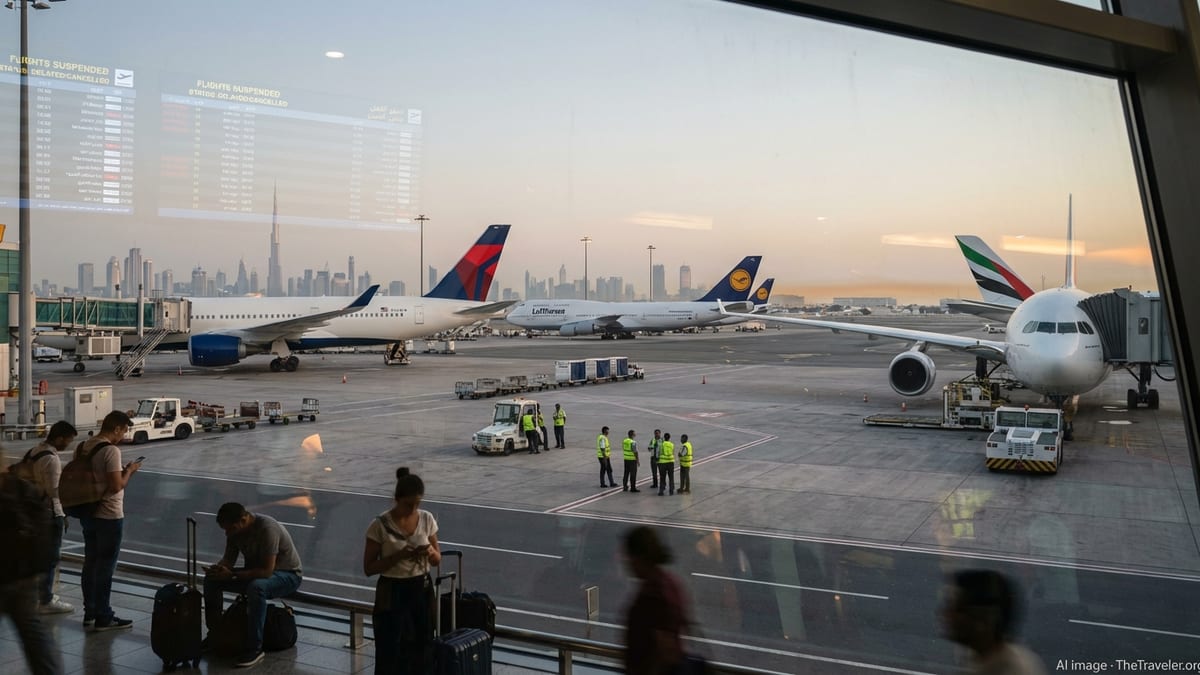
Disruption Continues After a Volatile Week
Publicly available flight-tracking snapshots and industry coverage indicate that London Gatwick entered Saturday still working through the tail end of a wider European disruption pattern. Earlier in the week, reports highlighted hundreds of delayed services across key hubs including London, Frankfurt and Amsterdam, with easyJet and other short-haul carriers among the most affected. That broader turbulence has left many schedules fragile and more vulnerable to further slippage today.
Today’s data for Gatwick shows a familiar profile rather than an exceptional breakdown: a significant number of departures and arrivals operating behind schedule, but with relatively few outright cancellations compared with the peaks seen on some previous disruption days. This means many flights are still getting away, albeit later than timetabled, which can compound missed connections and onward travel problems for passengers.
Reports summarising April’s early traffic across European airports describe a pattern of cascading delays, where aircraft and crew displaced by earlier weather and air traffic issues continue to arrive late into London. Those late inbound aircraft in turn push back departures from Gatwick, particularly on busy short-haul leisure routes concentrated in the late morning and afternoon bank of flights.
Travel-industry analysis has repeatedly underlined Gatwick’s sensitivity to such ripple effects. With only one main runway available, even small timing discrepancies can be harder to absorb, making the current combination of modest cancellations and widespread delay broadly in line with the airport’s historical vulnerability to knock-on disruption.
Delays Outnumber Cancellations in Today’s Operation
Based on live status boards and aviation-data summaries reviewed around the middle of the operating day, London Gatwick is seeing far more delayed flights than cancelled ones on Saturday, April 11. The most common pattern is departures leaving between 30 and 90 minutes late, with some long-haul and heavily trafficked leisure routes slipping beyond the one-hour mark.
Sector-wide reporting indicates that easyJet continues to feature prominently in delay statistics at Gatwick, reflecting the airline’s large footprint at the airport and the complexity of turning around dense schedules when earlier flights arrive late. However, delays are not confined to one carrier; British Airways, low-cost rivals and long-haul operators are all showing individual services running behind schedule today.
In contrast, the number of cancellations at Gatwick so far appears limited and targeted, especially when set against recent days where UK and European airports together recorded dozens of scrapped services. Where cancellations are occurring, they are largely clustered on short-haul routes, mirroring a wider European trend in which airlines trim frequencies on busy corridors to restore some slack to the timetable.
For travelers, the imbalance between delays and cancellations has mixed consequences. Fewer cancellations reduce the risk of being stranded without same-day options, but heavier delays can still lead to missed connections, late-night arrivals and disrupted rail or coach transfers. Passengers with tight onward plans remain the most exposed to today’s rolling knock-ons.
Knock-On Effects From European Weather and Airspace Strain
Although conditions around London are more manageable today than during recent storms and low-visibility events, coverage from aviation analysts and travel outlets points to ongoing knock-on effects from earlier weather episodes across Northern Europe. Strong winds, low cloud and localised thunderstorms in the days leading up to April 11 prompted control restrictions, holding patterns and ground delays that rippled through airline networks.
Reports focusing on the broader European picture mention that airports in Germany, the Netherlands and Portugal have all seen heavy disruption in the last 48 hours. Flights linking those hubs with London, including services into and out of Gatwick, have been caught up in the same web of delay. When an inbound aircraft from a storm-affected region runs late, its next rotation from Gatwick often cannot depart on time, feeding into the pattern visible today.
Separate travel updates referencing Emirates and other long-haul operators describe “cascading delays” into London’s main airports, with average late-arrival figures stretching to over an hour on some routes. Even when weather has improved, operational recovery takes time as airlines reposition aircraft and crew, and as air traffic control units manage backlogs. Gatwick’s role as a major leisure and low-cost gateway means it is particularly exposed to such network imbalances at the start of a busy spring weekend.
Industry commentary also notes that heightened demand in early April, as school holidays and spring city breaks gather pace, leaves less spare capacity in the system. With loads on many flights already high, there are fewer empty seats to accommodate disrupted passengers, increasing the pressure to operate delayed services rather than cancel them outright.
What Passengers at Gatwick Are Experiencing Today
For travelers on the ground at London Gatwick, today’s disruption is most visible in longer-than-usual waits at departure gates, busier seating areas around the terminals and shifting departure boards. Many flights are still departing and arriving, but often after one or more posted schedule revisions, with boarding times pushed back and estimated arrival times updated repeatedly as airlines and ground handlers work through the knock-ons.
Publicly available coverage suggests that airport operations, including security and check-in, are coping with the passenger load, but that queues can build quickly during clusters of delayed departures. When multiple flights in the same wave slip by 30 minutes or more, crowds that would normally pass through the terminal in staggered fashion remain in place for longer, creating a perception of greater congestion even when the total number of travelers is broadly typical for a spring Saturday.
On the arrivals side, late inbound flights mean some passengers are landing in London well behind schedule, especially from Mediterranean and longer European sectors. This can affect onward rail services from Gatwick’s station and coach connections towards central London and the south coast, particularly for those scheduled to arrive late in the evening. The combination of late flights and fixed last-train or last-bus times can leave a smaller margin for error for travelers trying to complete the final leg of their journey tonight.
Several travel advisories circulating today are encouraging passengers to build in extra time for airport processes and transfers, to monitor live flight-status tools closely and to be prepared for re-timed departures even where services are not officially listed as disrupted. That guidance reflects the reality of a day dominated by delays rather than mass cancellations.
Tips for Navigating Delays at London Gatwick
For those due to travel through London Gatwick later today, aviation and consumer-travel experts consistently recommend a few practical steps to reduce the impact of disruption. The first is to rely on live status tools and airline apps rather than printed confirmations, as gate assignments and departure times can change multiple times during a short period on days like this.
Passengers are also encouraged, where possible, to check in online and arrive at the airport with additional time to account for potential queues at security and bag drop. For those with tight connections on separate tickets, travel writers often suggest considering earlier departures or more generous layovers on days following major regional disruption, when schedules remain more susceptible to further delay.
Another common suggestion is to keep documentation of delays, such as screenshots of departure boards or messages from airlines, which can help when seeking compensation or reimbursement under applicable passenger-rights frameworks. With Gatwick historically ranking among UK airports with higher average delay minutes, consumer advocates note that maintaining a clear record of any disruption can be valuable if passengers decide to pursue claims later.
Finally, for travelers whose plans allow flexibility, monitoring seat availability on alternative departures from London’s other airports can provide a fallback if delays at Gatwick escalate into more substantial disruption later in the day. So far, however, the pattern on Saturday, April 11 points to a difficult but largely functioning operation, shaped more by persistent lateness than by large-scale cancellations.