

More news on this day
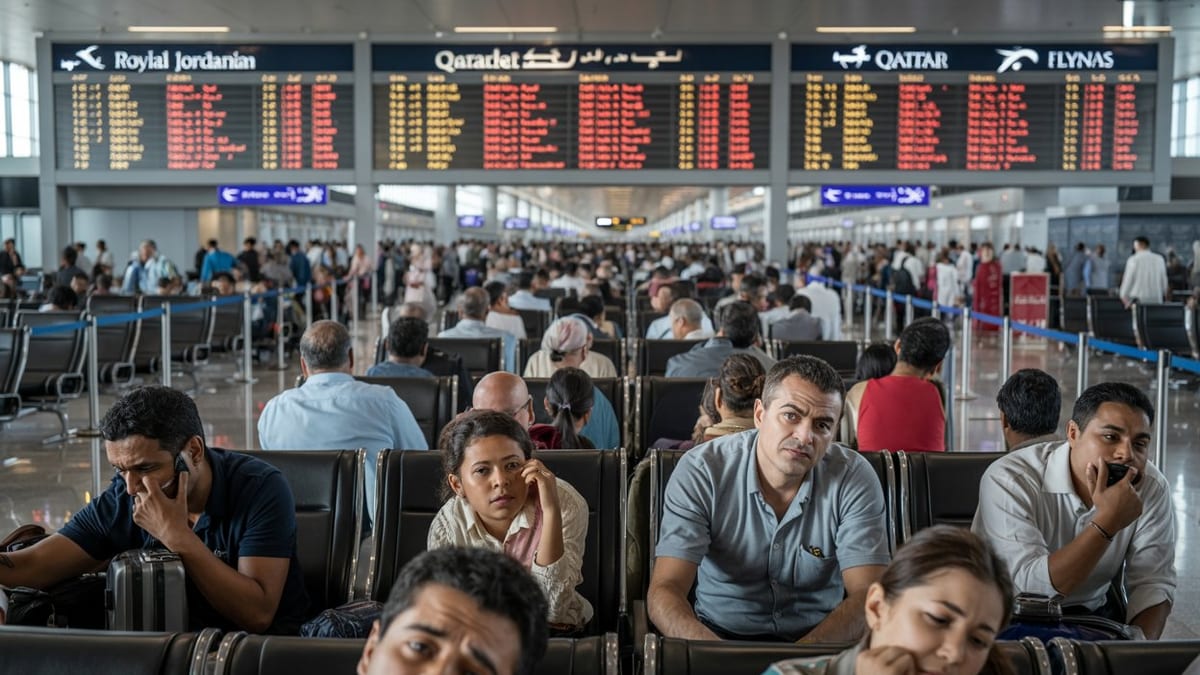
Travelers at Cincinnati/Northern Kentucky International Airport faced mounting disruption on April 10 as publicly available flight status boards showed 22 delays and three cancellations affecting Delta Air Lines, its regional partner Endeavor Air, and Southwest Airlines services to New York, Chicago, Atlanta and other major hubs across the United States.
Get the latest news straight to your inbox!
Ripple Effects Hit Major Business and Leisure Routes
The disruptions concentrated on some of the airport’s most important domestic connections, including routes linking Cincinnati/Northern Kentucky International Airport with New York area airports, Chicago and Atlanta. These corridors are among the busiest for business travelers and connecting passengers, and delays there tend to cascade across the broader network.
Flight status data reviewed on April 10 indicated a cluster of delayed departures to New York and Chicago, along with extended waits and schedule changes on services to Atlanta, Delta’s primary hub in the southeastern United States. These routes are frequently used by passengers making onward connections to the East Coast, West Coast and international destinations, meaning even short holdups in Cincinnati can translate into missed links later in the travel day.
The three same-day cancellations recorded at Cincinnati/Northern Kentucky added further strain for passengers, many of whom were forced to accept rebooked itineraries through alternative hubs or later departures. With load factors on spring flights trending high across many U.S. carriers, same-day rebooking options appeared limited on several of the affected city pairs.
Available schedule data and recent operational patterns also suggest that knock-on delays may surface throughout the afternoon and evening period, as aircraft and crews cycle through multiple legs. Once aircraft fall behind schedule early in the day, recovery can be slow without spare capacity in the system.
Operational Pressures for Delta, Endeavor Air and Southwest
Delta and its regional affiliate Endeavor Air account for a significant share of Cincinnati departures, particularly on routes to Atlanta and the New York region, while Southwest focuses on domestic point to point service that often feeds major business markets such as Chicago. When all three experience irregular operations on the same day, the impact on the airport’s departure board can be immediate and highly visible.
Publicly available operational bulletins from Delta in early April highlighted ongoing weather and congestion challenges across the eastern United States, including around Atlanta, which can complicate crew and aircraft positioning even on days when local weather at origin airports is calm. Industry-wide, regional partners such as Endeavor Air are often more exposed to cascading delays because their smaller aircraft are tightly scheduled and crews are limited.
Southwest Airlines, which relies on a high frequency, quick turn model at many airports, can also face compounding disruptions once early rotations slip. Recent industry performance data compiled by the U.S. Department of Transportation has shown that when multiple large carriers experience schedule stress on the same day, delays tend to propagate quickly across interconnected routes, especially those involving major hubs and slot constrained airports.
The situation at Cincinnati on April 10 reflects these broader dynamics. With Delta and Endeavor using the airport as a key spoke and Southwest adding point to point capacity, any shared pressure on aircraft availability, crew timing or airspace flow can quickly translate into longer ground times and short notice schedule changes for passengers.
Weather, Airspace Congestion and Network Complexity
While local conditions at Cincinnati/Northern Kentucky International Airport appeared manageable for much of the day, airline networks are influenced by weather patterns and congestion hundreds of miles away. Thunderstorm systems moving through the eastern United States during the first half of April prompted flexibility policies from major carriers and signaled the potential for intermittent disruption on key trunk routes.
In the New York metropolitan area, even minor shifts in wind patterns or convective weather can trigger ground delay programs or flow restrictions that slow arrivals and departures. When those measures are in place, flights from Midwestern origin points like Cincinnati may face extended hold times on the ground before departure or in the air before landing. These constraints can make on time performance to New York particularly fragile during transitional spring weather.
Chicago and Atlanta present their own operational challenges. Chicago’s large hub airports manage intense traffic volumes across intersecting runways, while Atlanta is among the busiest airports in the world by movements. When either experiences volume related slowdowns, flights from Cincinnati can be held for spacing or rerouting, lengthening block times and compressing turn windows for aircraft scheduled to operate subsequent legs.
A growing body of transportation data and prior consumer reports has underscored how this network complexity often manifests for travelers as what appears to be a local problem at their departure airport, even when the root causes are weather cells, staffing constraints or airspace bottlenecks far away. The pattern observed at Cincinnati on April 10 is broadly consistent with those systemwide dynamics.
Impact on Passengers and Limited Same Day Alternatives
For travelers, the practical impact of 22 delays and three cancellations in a single day at a medium sized hub can be significant. Passengers bound for New York, Chicago and Atlanta from Cincinnati frequently rely on tight connection windows at those airports to continue to other U.S. or international destinations. When a departure slips by an hour or more, the likelihood of making those onward flights diminishes sharply.
Same day alternatives can be constrained when carriers have already filled most seats for the day, leaving rebooked customers facing overnight stays or lengthy detours through other hubs. Publicly available tools show that some affected travelers on April 10 were re-accommodated via indirect routings that added several hours to their overall journey compared with their original itineraries.
The disruption is felt not only by leisure travelers but also by business passengers whose meetings and time sensitive commitments depend on reliable arrival times. Missed connections in New York or Chicago can mean lost workdays or the need to rearrange multi city itineraries on short notice, often at additional personal or corporate expense.
Air travel consumer advocates frequently point to days like April 10 at Cincinnati as examples of why travelers are encouraged to build longer connection buffers, especially in spring and summer when thunderstorm activity is more common across the eastern half of the country. Early morning departures and nonstop options, where available, are often cited as strategies to reduce exposure to complex, multi leg disruptions.
What Travelers Can Do as Irregular Operations Continue
With carriers already signaling an active spring and summer travel season, irregular operations at airports such as Cincinnati/Northern Kentucky International are likely to recur as weather, staffing and airspace constraints intersect. Publicly accessible forecasts and airline bulletins suggest that flexibility and preparation remain important for passengers planning trips through major hubs like New York, Chicago and Atlanta.
Travel planning resources commonly recommend that passengers monitor flight status closely beginning 24 hours before departure, using airline apps and airport displays to track rolling schedule changes. When significant delays or early cancellations emerge, rebooking sooner rather than later can improve the odds of securing an acceptable alternative itinerary.
Some travelers also opt to adjust their booking patterns during more disruption prone periods, favoring earlier departures from Cincinnati where feasible, extending planned connection times at large hubs, or selecting itineraries that route through less congested airports when schedules allow. While these measures cannot eliminate the risk of disruption, they can reduce the chances of missed onward flights and unplanned overnight stays.
The events of April 10 at Cincinnati/Northern Kentucky International Airport illustrate how quickly a combination of network wide factors can escalate into a challenging day for hundreds of travelers, even when the absolute number of cancellations appears modest. For passengers, approaching spring travel with contingency plans and a degree of schedule flexibility may prove essential as airlines navigate another busy season.