

More news on this day
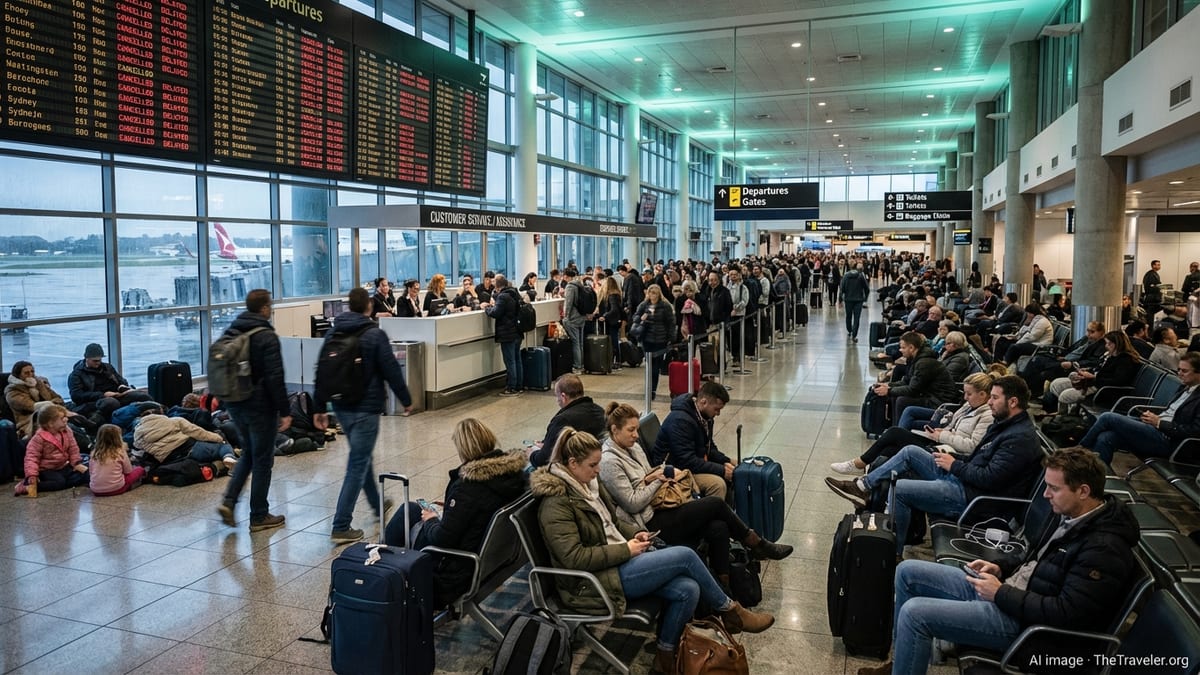
Travelers moving through Honolulu’s Daniel K Inouye International Airport on April 12 are facing another day of uneven operations, as publicly available tracking data shows 31 delays and 2 cancellations affecting United Airlines, Hawaiian Airlines and Southwest Airlines services linking Honolulu with New York, Los Angeles and other major U.S. cities.
Get the latest news straight to your inbox!
Ripple Effects From Mainland Disruptions Hit Honolulu
Operational data compiled on April 11 indicated widespread disruption across major U.S. hubs, with Los Angeles, New York and other cities recording hundreds of delayed and canceled flights on multiple carriers. Industry coverage notes that United Airlines and Southwest Airlines were among the airlines with significant schedule challenges as congestion and earlier weather systems strained already busy spring travel periods.
By April 12, those mainland issues were still echoing across the network and into Honolulu. Routes connecting Daniel K Inouye International Airport with large continental gateways such as Los Angeles and New York appeared particularly vulnerable, as aircraft and crews cycled through airports that had only recently worked through heavy backlogs. When delays accumulate at hubs, later departures and arrivals at outlying destinations like Honolulu commonly follow, a pattern that flight-tracking and schedule tools again reflected.
For Hawaiian Airlines, the impact has been layered on top of an already complex year of schedule adjustments and integration work with Alaska Airlines. Publicly available information shows the carrier managing busy transpacific links from Honolulu to cities such as Los Angeles and San Francisco while also maintaining dense interisland schedules. Even modest disruptions at mainland airports can create knock-on effects that leave aircraft out of position for subsequent departures from Honolulu.
Southwest Airlines, which has rapidly expanded its Hawaii presence in recent years, is likewise exposed to broader system pressures. The airline’s point-to-point model depends on tight turns between mainland and island flights. When congestion builds at busy continental airports, services that feed into or out of Honolulu can be delayed, contributing to the tally of late departures and arrivals recorded at Daniel K Inouye International Airport.
United, Hawaiian and Southwest Share the Load of Delays
On April 12, the combined picture for United, Hawaiian and Southwest flights touching Honolulu pointed to at least 31 delayed operations and 2 outright cancellations, based on aggregated reports from flight-status platforms and schedule trackers. The disruptions were spread across long-haul transpacific services, key mainland routes and interisland connections, rather than being limited to a single corridor.
United Airlines has been navigating a challenging spring after a series of weather events in March prompted travel waivers for Hawaii-bound itineraries. Network data for April continues to show that the carrier is coping with elevated delay counts at several continental hubs, which has a direct bearing on aircraft arriving in or departing from Honolulu. When an early-morning departure from a mainland city runs late, the aircraft may reach Hawaii hours behind schedule, compressing turnaround times and pushing subsequent flights into later slots.
Hawaiian Airlines remains a central player at Daniel K Inouye International Airport, handling a large share of both interisland and transpacific traffic. Recently published commentary from travelers and analysts has highlighted how tight schedules and maintenance demands can cause small issues to cascade into extended waits, particularly on long-haul routes that link Honolulu with major cities on the West Coast and in the eastern United States. The current count of delays and cancellations fits into that broader pattern of a high-utilization fleet operating in a demanding environment.
Southwest Airlines, which serves Honolulu from several West Coast gateways, is also part of the disruption picture. Coverage of national operations in recent days has recorded triple-digit delay totals for the airline at large, especially at busy airports such as Los Angeles. When Southwest flights between California and Hawaii rely on aircraft that have already experienced delays earlier in the day, late arrivals into Honolulu can become difficult to avoid, contributing to the cumulative figures reported for April 12.
Mainland Hubs in New York and Los Angeles Under Pressure
Los Angeles and the New York area continue to function as crucial links between Honolulu and the rest of the United States, and recent operational data suggests both regions have struggled with congestion. Reports from national aviation trackers on April 11 described Los Angeles as one of the more heavily affected airports, with more than one hundred delays and a cluster of cancellations across several carriers, including United and Southwest. Such conditions leave little margin for recovery when aircraft turn around for long-haul flights to Hawaii.
In the New York region, early spring weather and airspace constraints have contributed to intermittent delays that extend across the day’s schedule. Even when severe weather is not present, routine traffic-management initiatives and staffing limitations can slow departures and arrivals. For Honolulu-bound travelers using connections through New York, any prolonged hold on the East Coast can mean missed connections at West Coast gateways or late-night arrivals in Hawaii.
Los Angeles plays a particularly outsized role in Hawaii service, functioning as both an origin and a connection point. Hawaiian and United operate key flights on the Honolulu to Los Angeles corridor, while Southwest adds additional capacity from Southern California. Publicly available schedule information for April illustrates how tightly these operations are timed, often with minimal gaps between arrival and subsequent departure. When dozens of flights at Los Angeles are delayed on the same day, airlines face a complex puzzle to reassign aircraft and crews while still honoring Hawaii schedules.
New York’s long-haul links to Honolulu, whether via direct services or one-stop routings through Pacific gateways, also remain sensitive to cumulative delays. A late transcontinental sector can easily push a Hawaii-bound departure beyond its scheduled slot, particularly when minimum rest rules for crews must be observed. The result is a chain of late operations that can ultimately show up in Honolulu as an elevated number of delayed flights.
Passengers Confront Long Waits and Tight Connections
For passengers traveling through Daniel K Inouye International Airport on April 12, the network-level disruptions translate into longer waits at gates, tighter connection windows and, in some cases, missed onward flights. Accounts shared on traveler forums in recent weeks describe experiences of extended tarmac waits, middle-of-the-night arrivals into Honolulu and unplanned overnight stays after late-running interisland legs disrupted connections to mainland flights.
Travelers connecting from smaller mainland cities through hubs such as Los Angeles, San Francisco or Phoenix are particularly exposed. When initial short-haul flights run late, the carefully planned connection to Honolulu can evaporate, especially during peak travel periods when alternative seats are scarce. Passengers then face the prospect of rebooking for the following day, frequently with limited accommodation support if the disruption is attributed to broader operational issues rather than extraordinary events.
Within Hawaii, delays on interisland segments can also have a compounding effect. Publicly available status information shows frequent short hops between Honolulu and destinations such as Kahului and Lihue running on tight turn times. If one early flight is held for operational reasons, that aircraft may continue its day behind schedule, affecting travelers who intend to connect in Honolulu to United, Hawaiian or Southwest services bound for the mainland.
These conditions underscore how a relatively modest number of cancellations can still produce a disproportionate amount of disruption when combined with dozens of delayed flights. With 31 delays and 2 cancellations involving three of Honolulu’s key airline operators in a single day, the overall passenger experience can feel significantly degraded even though the majority of flights still operate eventually.
What Travelers Can Do as Disruptions Persist
Consumer and industry guidance for navigating irregular operations continues to emphasize preparation and flexibility. Travel advisories and expert commentary recommend that passengers monitor flight status frequently through airline mobile apps and airport information displays, rather than relying solely on early-morning snapshots of the schedule. Same-day notifications have become crucial as operational disruptions shift throughout the day.
For those starting or ending their journey in Honolulu, building additional time into itineraries can mitigate some of the risk. Travelers connecting from neighbor islands into Honolulu for long-haul flights to New York or other distant cities may wish to schedule earlier interisland segments, reducing the chances that a short delay causes a missed overnight departure. Similarly, passengers connecting from the mainland to interisland flights might consider longer layovers at Daniel K Inouye International Airport when schedules and budgets allow.
Public information on air-travel consumer rights in the United States notes that when a flight is canceled and a traveler chooses not to continue their trip, airlines are generally expected to provide a refund for the unused portion of the ticket, including on some nonrefundable fares. Significant delays may also qualify for refunds, depending on carrier policies and the length of the disruption, although compensation for hotel stays and meals remains at the discretion of each airline.
As United, Hawaiian and Southwest continue to adjust their networks for the busy spring and summer seasons, travelers through Honolulu are likely to see periods of both normal operations and renewed strain. The experience of April 12 illustrates how quickly conditions at mainland hubs can reverberate across the Pacific, leaving Daniel K Inouye International Airport and its passengers contending with a fresh round of delays and cancellations even after the worst of a disruption appears to have passed.