

More news on this day
Delta Air Lines passengers are increasingly describing a pattern of last-minute cancellations, with many attributing scrubbed flights to crew unavailability and fragile scheduling systems rather than traditional weather disruptions.
Get the latest news straight to your inbox!
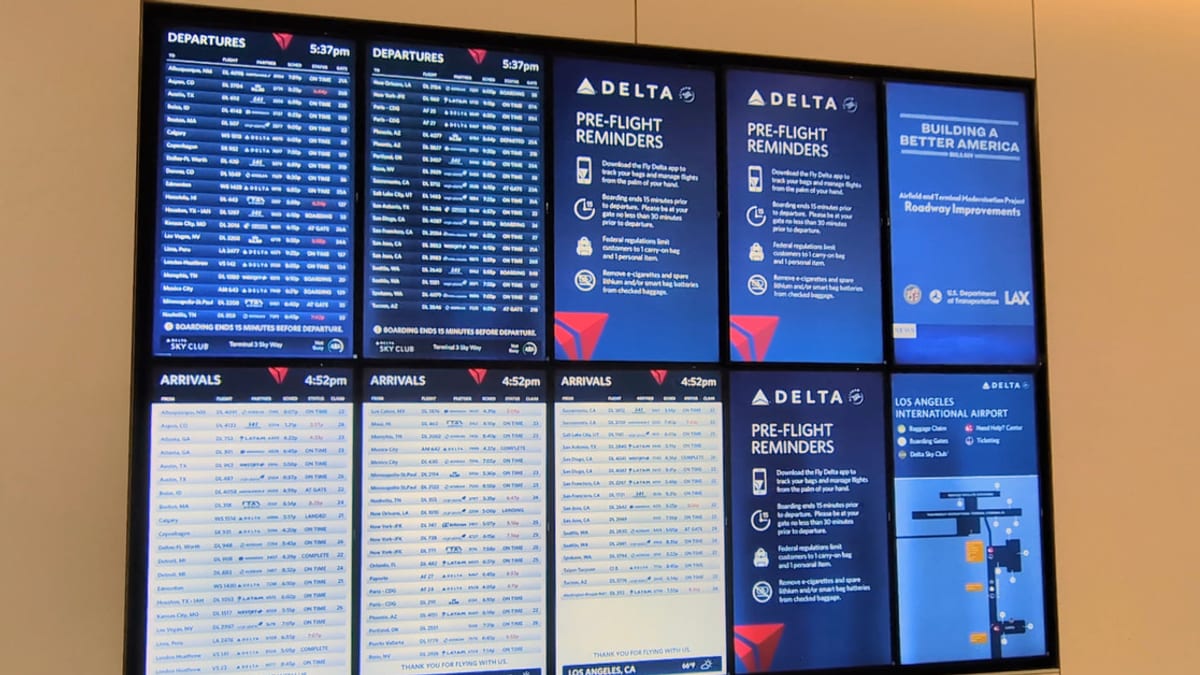
Passenger Reports Point to Crew Unavailability
Recent travel-season disruptions have fueled a wave of online complaints from Delta customers who say flights that appeared on time until shortly before departure were abruptly canceled, often with notifications arriving only hours or even minutes before boarding. Many of these passengers report that the stated cause in airline messages or airport screens was crew-related rather than weather or air-traffic control constraints.
Publicly available consumer guides and complaint summaries note that Delta, like other major U.S. carriers, is operating a tightly staffed network in which relatively small shifts in pilot or flight attendant availability can trigger cancellations on specific routes. Some reports describe early-morning departures remaining “on schedule” overnight, only to disappear from the board shortly before check-in when the airline is unable to assemble a legal crew within federal duty-time limits.
Travel forums and social media posts suggest that this trend feels particularly acute to frequent flyers who grew accustomed to Delta’s reputation for reliability in the years before the pandemic and subsequent labor and technology strains. While overall cancellation rates remain low by historical standards, the perception among some travelers is that when disruptions occur, they are more likely to come as late surprises tied to crew timing.
A Network Stretched by Peak Schedules and Tight Rotations
Industry data and schedule filings show that Delta has been aggressively rebuilding and expanding its network from key hubs such as Atlanta, Minneapolis, and Detroit, adding frequency on popular domestic routes and transatlantic services. Analysts note that this expansion coincides with busier peak travel periods, especially in summer and over major holidays, when storms and congestion are most likely to introduce delays.
Aviation analysts point out that modern airline networks are highly interdependent, with aircraft and crews often scheduled for multiple segments per day. When an early flight is delayed by weather, maintenance, or ground-handling issues, later legs using the same aircraft or crew can quickly fall outside legal duty windows. In such cases, operators may opt to cancel one or more subsequent flights to “reset” the system, a strategy that can push last-minute cancellations onto lower-demand or regional routes.
Reports focused on Delta’s operations indicate that passengers connecting through large hubs are especially vulnerable to this cascading effect. Short connection times and evening departures leave little margin for recovery if an inbound crew arrives late or times out, increasing the likelihood that the decision to cancel will be taken close to departure rather than hours in advance.
Crew-Scheduling Technology Under Intensifying Scrutiny
Delta’s crew-scheduling and tracking tools have drawn heightened attention since a global IT outage in July 2024 linked to third-party software left the airline struggling to locate and reassign pilots and flight attendants. Publicly available investigative coverage and regulatory filings describe how, even after other carriers had largely recovered, Delta continued to cancel thousands of flights while it worked through a backlog of crew reassignments.
Subsequent analyses of Delta’s operation note that automated systems play a central role in pairing crews with flights, rebuilding disrupted trip sequences, and honoring contractual work rules. When those systems are strained by large-scale events, such as severe storms or technology outages, manual workarounds can become overwhelmed, slowing the process of finding replacement crews and contributing to short-notice cancellations.
Travel commentaries and consumer-facing explainers published over the past year suggest that passengers are now more alert to any mention of “crew availability” or “crew resources” in cancellation notices. Some interpret these messages as evidence that the airline’s technology and staffing plans remain vulnerable to disruption spikes, even when the underlying cause originates outside Delta’s control.
Weather, Airspace Constraints, and Delta’s Operational Choices
While passengers often focus on the final cause code listed for a given flight, operational experts stress that last-minute cancellations typically result from an interplay of factors. Delta’s largest hub in Atlanta is heavily exposed to thunderstorms, and its coastal and transcontinental routes can be affected by winter storms, summer heat restrictions, or air-traffic control initiatives that slow traffic.
Consumer and industry reports explain that when bad weather or airspace constraints hit, airlines must decide in real time which flights to delay, which to operate with long waits, and which to cancel outright. In this environment, some carriers, including Delta, may prioritize keeping certain long-haul or high-demand routes operating, while canceling shorter or less profitable segments where rebooking options are more plentiful.
This triage process can result in passengers on select domestic or regional services experiencing abrupt cancellations even when skies appear clear at their departure airport. From the traveler’s perspective, the immediate explanation may be “crew time-out” or “crew unavailable,” but those issues often trace back to earlier weather or traffic-management decisions elsewhere in the network.
What the Trend Means for Delta Travelers
For passengers, the practical impact of this pattern is a higher sense of uncertainty around whether a scheduled flight will actually depart on time, especially during peak seasons and on later-in-the-day departures. Travel advisors and consumer advocates are increasingly recommending strategies such as booking morning flights, allowing more generous connection times at major hubs, and monitoring itineraries closely in the 24 hours leading up to departure.
Publicly available guides to Delta’s customer service commitments remind travelers that when cancellations are within the carrier’s control, customers may be eligible for meal vouchers, hotel accommodations, or refunds, depending on circumstances and applicable policies. Passengers are encouraged to retain receipts for disruption-related expenses and to use official channels to request compensation or alternative arrangements.
Despite the frustrations expressed online, government statistics through mid-2025 still show Delta performing relatively well on overall cancellation rates compared with some competitors. Yet for affected customers caught in last-minute crew-related disruptions, that broader context offers little comfort. Their recent experiences suggest that, at least during periods of heavy demand and operational stress, even an airline long associated with reliability can leave travelers facing sudden cancellations at the gate.