

More news on this day
Spring break 2026 is pushing Dallas Fort Worth International Airport to new extremes, with roughly 4.7 million travelers expected over a three-week window as nationwide TSA staffing strains contribute to long security lines and anxious flyers across North Texas.
Get the latest news straight to your inbox!
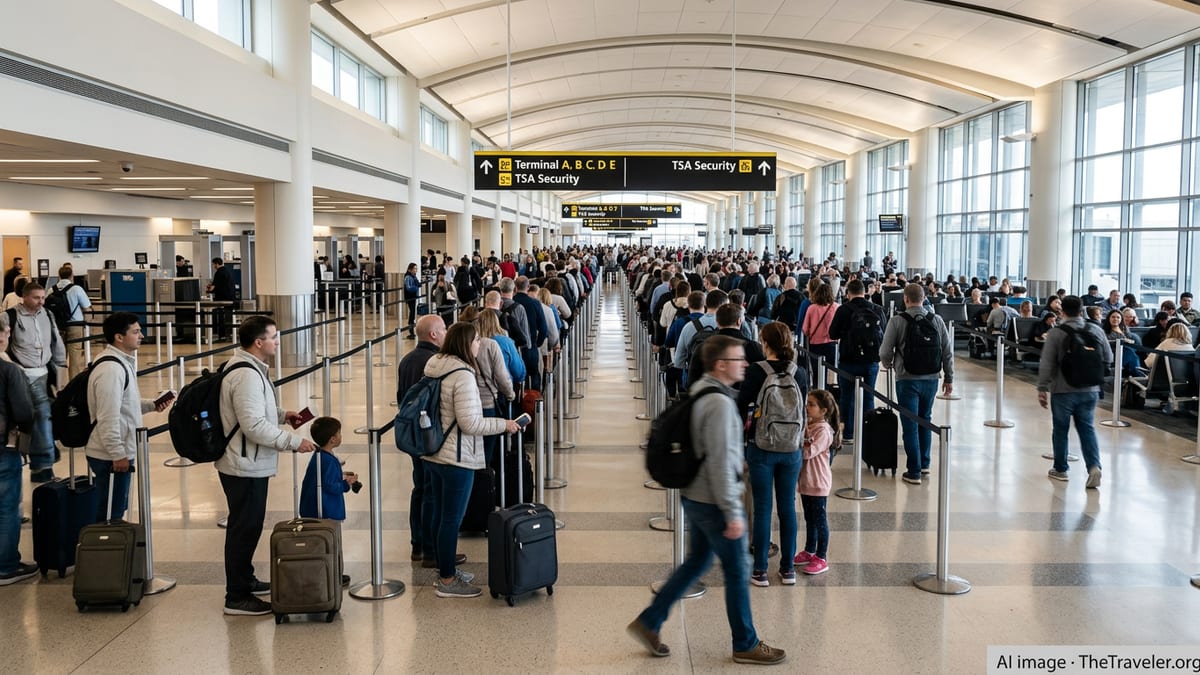
Record Passenger Surge at a Key U.S. Hub
Dallas Fort Worth International Airport, one of the busiest hubs in the United States, is bracing for a concentrated rush of spring break travelers spread across much of March. Regional coverage and airport planning documents indicate that about 4.7 million passengers are expected to move through DFW over the core spring break period, roughly from March 5 to March 24, making it one of the largest seasonal travel surges in the airport’s history.
The projected total, which aligns with earlier internal forecasts for strong March volumes, reflects both continued growth in North Texas air travel and a broader national trend toward near-record passenger levels this spring. Industry analysts note that U.S. carriers collectively expect well over 170 million passengers between March and April, leaving major hubs like DFW with little margin for error when disruptions occur.
For travelers, the surge is already visible in fuller parking facilities, longer check-in queues and heavier demand on the airport’s Skylink trains that shuttle passengers between terminals. Local reports highlight that peak days cluster around two consecutive weekends in mid and late March, when many school districts and universities align their breaks.
Even outside the single busiest days, passenger volumes at DFW are running well above typical March averages in recent years, compressing what was once a handful of high-traffic dates into an extended period of sustained pressure on airport infrastructure.
TSA Staffing Shortages Collide With Peak Demand
The record traveler count is unfolding against a backdrop of federal funding turmoil and Transportation Security Administration staffing challenges that have rippled across the U.S. aviation system. National coverage of the current Department of Homeland Security funding lapse describes thousands of TSA officers working without full pay, prompting higher levels of unscheduled absences at some airports just as spring break crowds arrive.
While DFW has not seen the extreme, hours-long security bottlenecks reported at certain airports in Houston, New Orleans and other markets, travelers in North Texas are encountering noticeably uneven conditions. Publicly available wait-time data and firsthand accounts shared on social platforms point to relatively normal early-morning flows on some days, contrasted with sharply lengthened lines when staffing is thin or multiple departures bank at once.
Security operations remain highly sensitive to day-to-day staffing variations. Industry observers note that when checkpoints lose even a small share of expected officers to illness, secondary jobs or financial pressures, supervisors are sometimes forced to consolidate lanes or reassign personnel away from dedicated TSA PreCheck and priority lines. That can quickly turn a modest uptick in traffic into a visibly long queue stretching back toward ticketing halls.
Travel advocacy groups and airline trade bodies have been warning for weeks that a combination of record demand and unresolved federal budget issues could expose vulnerabilities at security checkpoints. The spring break wave at DFW is now serving as a real-time test of how resilient those operations can remain under sustained passenger loads.
Visible Strain: Long Lines, Crowded Terminals and Construction
For many passengers, the impact of this year’s spring break crush is less about specific numbers and more about what they encounter the moment they step out of their car or rideshare. Reports from the Dallas-Fort Worth region describe security lines periodically stretching well beyond their usual switchbacks, particularly at Terminal C and other high-traffic gates, even as some off-peak hours remain relatively smooth.
Construction projects across parts of the DFW campus are adding a further complication. The airport is in the midst of a multiyear expansion and modernization program that affects roadways, curbs and selected terminal areas. Public guidance from the airport notes that detours, lane closures and shifting drop-off patterns can slow curbside traffic and make it harder for drivers to quickly reach the correct terminal during busy windows.
Inside the terminals, higher passenger volumes translate to more crowded seating areas, longer restroom lines and heavier demand on concessions and retail outlets. Travelers recount scenes of packed gate areas and lengthy food lines at popular vendors, a contrast with the relatively quick security processing that DFW has often been known for in past years.
Despite these visible strains, the airport’s rail-connected layout and extensive Skylink people-mover network remain a relative strength. Once inside the secure area, passengers are generally able to move between terminals in minutes, a factor that can help mitigate missed-connection risks when security delays eat into departure buffers.
How Travelers Are Adapting to the New Normal
With mixed reports of wait times at checkpoints and a widely publicized record traveler forecast, North Texas passengers are adjusting their routines to build in extra margin. Many regional outlets are advising travelers to arrive at least two to three hours before domestic departures and even earlier for international flights, particularly during the early morning and late afternoon peaks.
Online forums frequented by DFW regulars show a clear pattern of behavioral shifts. Some travelers are rebooking to less congested times of day, opting for midweek or late-evening departures when possible. Others are making greater use of TSA PreCheck, CLEAR and airline priority lanes, though these expedited channels can still back up when staffing shortfalls affect their dedicated checkpoints.
There is also growing interest in real-time tracking tools that display current security wait times and historical trends for individual terminals. Travelers increasingly report refreshing these dashboards on the way to the airport, adjusting their arrival time or even switching to a different terminal checkpoint if conditions appear more favorable elsewhere on the airfield.
For families and infrequent flyers, the heightened uncertainty around security lines is prompting more conservative planning. Accounts from recent days describe travelers opting for earlier departures than they might have chosen in past years, prioritizing a calmer experience over maximizing time at home or at their destination before flights.
Spring Break 2026 as a Stress Test for the Summer Ahead
Aviation analysts view DFW’s spring break experience as an important indicator of how the broader system may perform during the even busier summer season. Forecasts show that overall U.S. passenger numbers remain close to or above pre-pandemic records, and major hubs such as DFW are central nodes in that network, funnelling connecting traffic between coasts and to international destinations.
Public comments from airline industry groups highlight that security screening capacity has not always kept pace with the rebound in traffic. The combination of high demand, tight labor markets and the current federal budget impasse is forcing airports and carriers to refine contingency plans ranging from dynamic staffing models to enhanced passenger communication.
For DFW, the spring break period is underscoring both the advantages and vulnerabilities of its scale. The airport has the runway capacity, terminal footprint and airline connectivity to handle millions of travelers in a matter of weeks, yet it remains dependent on federal agencies for core services such as security screening and immigration processing.
If the spring break 2026 rush ultimately passes without widespread, hours-long gridlock at DFW, it may be viewed as a cautiously positive sign for the months ahead. If bottlenecks worsen on subsequent peak days, the experience could intensify pressure in Washington and across the industry to address structural staffing gaps at TSA before the even larger summer crowds begin to arrive.