

More news on this day
Growing funding tensions at the Department of Homeland Security are beginning to filter into U.S. airports, with mounting delays and longer security lines as Senator Tom Cotton publicly blames Democrats’ “temper tantrum” for a Capitol Hill standoff that is spilling over into the travel sector.
Get the latest news straight to your inbox!
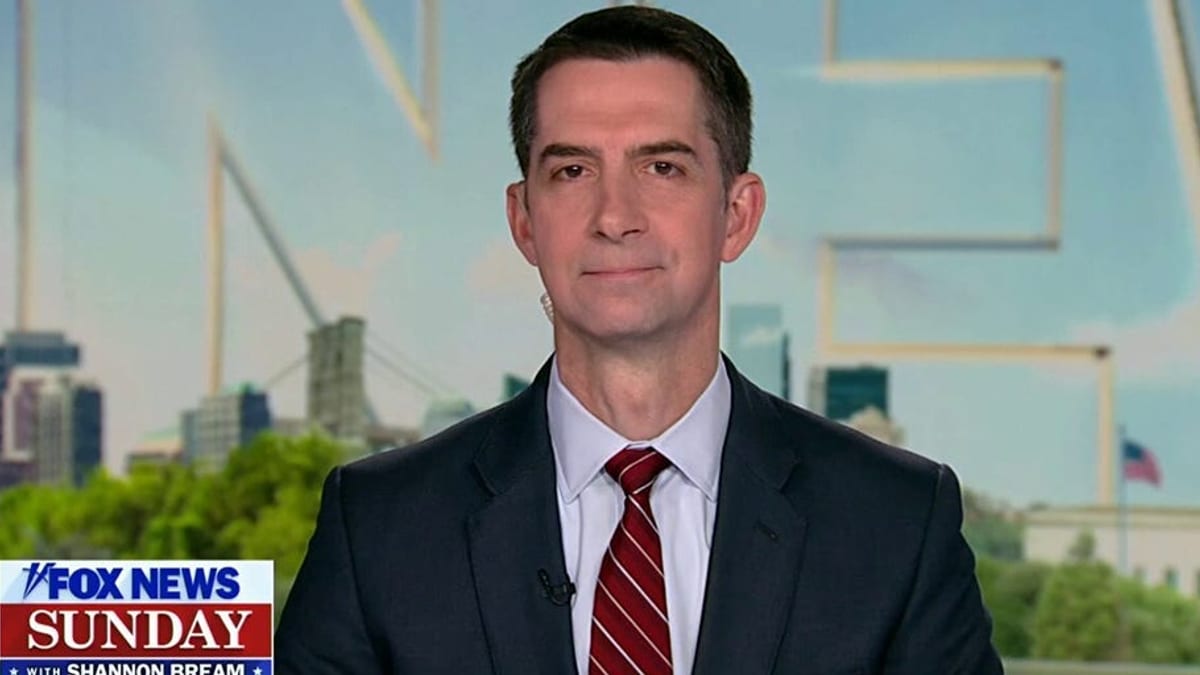
Image by Fox News
Capitol standoff over border and security funding
The confrontation centers on efforts in Congress to finalize funding for the Department of Homeland Security, including resources for border enforcement and transportation security. Publicly available information shows that negotiations have hardened into a broader fight over immigration and asylum policy, leaving long-term DHS appropriations unresolved while temporary measures keep basic operations running.
Republican lawmakers have pressed for more restrictive border measures and tighter asylum standards to be tied directly to DHS funding, arguing that the agency’s core security role justifies pairing money with policy changes. Democratic leaders have resisted these conditions, backing separate consideration of immigration reforms and accusing their counterparts of holding security agencies hostage to a partisan agenda.
As talks drag on, industry and union statements indicate increasing concern that another short-term extension or lapse could strain critical DHS functions that underpin the U.S. air travel system, including airport screening, customs processing and aviation security programs.
Cotton escalates rhetoric as travel disruptions spread
Within this tense backdrop, Arkansas Senator Tom Cotton has intensified his criticism of Democrats, characterizing their approach to the negotiations as a “temper tantrum” that is endangering Homeland Security funding. According to recent political coverage, Cotton and other Republicans argue that Democratic resistance to GOP border demands has prolonged the impasse and contributed to growing operational uncertainty at DHS.
Travelers at major hubs are already feeling the strain. Airport monitoring data and airline advisories describe longer lines at Transportation Security Administration checkpoints and periodic bottlenecks at Customs and Border Protection facilities, particularly during peak hours. While most flights continue to operate, even modest staffing disruptions can cascade into missed connections, crowded gate areas and rising passenger frustration.
Publicly available union statements representing front-line DHS and airport personnel warn that protracted political brinkmanship risks eroding morale among workers who remember previous funding showdowns. Many are monitoring developments closely, wary of the financial and personal toll that delayed paychecks or forced overtime could bring if negotiations break down.
Airlines and travelers brace for deeper turbulence
The airline industry, still recalibrating after years of pandemic volatility, is watching the DHS dispute with unease. Trade group briefings and carrier updates indicate that airlines are coordinating closely with airport operators and federal security agencies, adjusting schedules where possible and urging passengers to arrive earlier for departures from heavily trafficked hubs.
Long security lines and sporadic staffing gaps can quickly undermine on-time performance metrics that airlines have worked to improve. Analysts note that even if DHS operations remain technically funded through short-term measures, the uncertainty itself can disrupt workforce planning, from overtime scheduling for screeners to the deployment of customs officers to high-demand airports.
For travelers, the practical impact is increasingly visible. Reports from major domestic terminals describe security queues snaking through concourses at peak times, with some passengers missing flights despite arriving within traditional check-in windows. Travel advisors are recommending that passengers build in additional buffer time and monitor airport conditions before heading to the terminal.
Security workforce caught between politics and passengers
Behind the scenes, DHS personnel staffing airport checkpoints, baggage screening rooms and passport control booths are navigating the fallout of the Capitol Hill stalemate. Unions and advocacy groups emphasize that these workers are essential to both security and the smooth functioning of the national transportation network, yet they often bear the brunt of public anger when lines grow and delays mount.
Memories of previous government shutdowns, when many of these employees were required to work without immediate pay, continue to shape how the workforce views current negotiations. Public reports highlight concerns that another funding scare could accelerate attrition in already tight labor markets, making it harder to maintain the staffing levels needed to keep travel moving efficiently.
At the same time, security officials are constrained in how openly they can respond to political rhetoric. With Cotton and other lawmakers directing blame across the aisle, the employees at the center of the system remain focused on daily operations, facing a steady stream of travelers increasingly anxious about missing flights or navigating unfamiliar rebooking processes.
Wider implications for U.S. border and travel systems
Beyond the immediate impact on airport lines and flight schedules, the DHS funding impasse carries broader implications for how the United States manages its borders and critical infrastructure. Homeland Security oversees a wide spectrum of operations, including coastal and land border enforcement, cybersecurity programs and coordination with local agencies on transportation hubs nationwide.
Policy analysts note that sustained uncertainty over DHS appropriations can complicate long-term planning for technology upgrades at airports, port security initiatives and cross-border travel facilitation programs. These investments often require multi-year commitments that are difficult to secure when funding is negotiated in short, contentious cycles.
As Cotton’s accusations and Democratic counterarguments play out in public, stakeholders across the travel ecosystem, from airlines and airports to tourism boards and business groups, are urging Congress to separate partisan fights over immigration from the basic task of keeping Homeland Security funded and functioning. For travelers confronting growing queues and itinerary changes, the political blame game in Washington is less important than a stable, predictable system that gets them to their destinations on time.