

More news on this day
An American Airlines Boeing 737 MAX 8 operating a domestic service was diverted to Detroit after reports of a disruptive passenger on board, according to early operational data and media coverage, adding a new incident to a growing list of in flight behavior disruptions across U.S. carriers.
Get the latest news straight to your inbox!
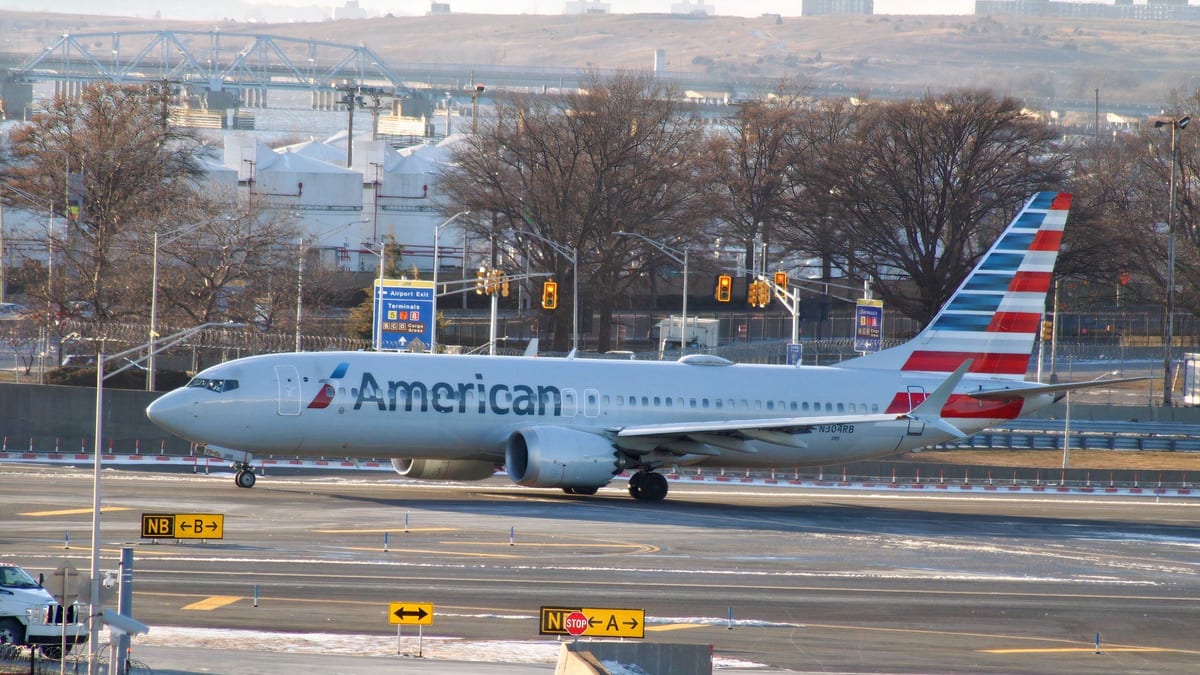
Image by Simple Flying
Unplanned Diversion to Detroit After Midair Disturbance
Initial tracking information indicates the American Airlines Boeing 737 MAX 8 was en route on a scheduled domestic route when the crew opted to divert to Detroit Metropolitan Wayne County Airport. The decision followed reports of an increasingly disruptive passenger whose behavior raised concerns during the cruise portion of the flight.
Publicly available flight data suggests the aircraft altered course toward Detroit after a period of level flight, consistent with a precautionary diversion rather than a technical incident. The aircraft landed without further reported complications, and there were no immediate indications of injuries among passengers or crew.
Once on the ground, the flight remained at Detroit while arrangements were made for passengers and for the continuation of the journey on either the same or a different aircraft. Published coverage indicates that the disruptive passenger was removed from the flight after landing, though detailed accounts of the individual’s behavior have not yet been fully described in public reports.
American Airlines typically operates the Boeing 737 MAX 8 on high frequency domestic routes, and diversions of this type can create significant knock on effects across its network, including missed connections and aircraft repositioning challenges.
What Is Known About the Passenger Incident
Reports circulating in U.S. media and aviation focused outlets describe the person involved as a disruptive passenger whose actions escalated to the point that onboard de escalation measures were no longer considered sufficient. In similar recent events across the industry, crews have followed established procedures that include verbal instructions, reseating efforts, and coordination with ground personnel.
In this case, publicly available information suggests that the crew requested priority handling into Detroit to ensure the situation did not worsen during the remaining flight time. There have been no detailed descriptions of physical altercations or injuries, and available reports do not indicate the use of emergency restraints.
Airlines across the United States have reported a persistent level of disruptive passenger behavior since the surge in air travel demand following the pandemic period. Incidents have ranged from disputes over seating and carry on luggage to conflicts related to service and safety instructions. While not every case leads to a diversion, situations that may affect cabin safety or interfere with crew duties are more likely to result in an unscheduled landing.
Further information about potential legal consequences for the individual removed in Detroit has not yet appeared in public records. In past cases, disruptive passengers have faced airline travel bans, civil penalties, and in some instances federal charges, depending on the severity of the incident.
Operational Impact on American Airlines and Passengers
For American Airlines, a diversion of a Boeing 737 MAX 8 during a busy travel period can create immediate schedule disruption. The aircraft must be serviced, crews may reach duty time limits sooner than planned, and connecting passengers can miss onward flights as a result of the unscheduled stop.
Passengers on board typically experience a delay of several hours as arrangements are made for refueling, crew scheduling, and possible aircraft changes. Published coverage of similar events in recent years shows that travelers are often rebooked through the diversion airport, and the original flight number may continue later than scheduled or be canceled outright depending on operational constraints.
Disruptions of this kind also carry cost implications for carriers, including crew time, fuel, and potential compensation or accommodation for delayed passengers. While airlines rarely disclose the specific financial impact of a single diversion, industry analyses have noted that each unscheduled landing can cost tens of thousands of dollars once all related factors are included.
For travelers, diversions tied to passenger behavior tend to generate frustration, particularly when itineraries are significantly altered due to circumstances unrelated to weather or mechanical issues. Social media posts following such events often reflect a mix of relief that safety was prioritized and irritation that one person’s conduct affected the plans of an entire aircraft full of passengers.
Spotlight on Boeing 737 MAX 8 Amid Behavioral, Not Technical, Incident
The use of a Boeing 737 MAX 8 in this diversion has drawn additional attention because of the aircraft type’s high profile history. The MAX family has been closely scrutinized since the worldwide groundings that followed two fatal accidents involving foreign carriers several years ago. Since returning to service, the type has been subject to ongoing regulatory oversight and public interest.
In this Detroit diversion, available information indicates the incident centered on passenger behavior rather than any technical or safety issue with the aircraft. Flight tracking records and early reporting do not describe mechanical anomalies, unscheduled maintenance concerns, or in flight system alerts prior to the change in course.
Industry commentary has noted that, even when an aircraft type is not directly involved in an equipment related event, its mention alongside a diversion or other irregularity can reinforce traveler anxiety. Some aviation analysts argue that clear communication about the nature of incidents, distinguishing between behavioral and technical causes, is important for maintaining public confidence in specific aircraft models.
American Airlines has invested heavily in the Boeing 737 MAX 8 fleet for domestic and short haul international operations, and the type now forms a significant portion of its narrowbody schedule. Continued safe operations on thousands of routine flights help provide context when isolated nontechnical diversions occur.
Rising Focus on Cabin Behavior and Airline Policy
The diversion to Detroit adds to a broader pattern of disruptive passenger events that have shaped airline policy discussions in recent years. Public data compiled by U.S. aviation regulators and industry associations indicates that reports of unruly behavior spiked during the pandemic era and have remained at elevated levels compared with the pre 2020 period.
Many carriers, including American, have adopted stricter internal policies intended to support crew members who face harassment, noncompliance with safety instructions, or other forms of disruptive behavior. These measures often include permanent bans for severe cases, cooperation with law enforcement where appropriate, and enhanced training for flight attendants in de escalation techniques.
Passenger advocacy groups have also weighed in, emphasizing the importance of transparent communication when flights are diverted due to behavior issues. Travelers affected by such events frequently seek clarity on compensation, rebooking options, and expected delay times, particularly when they have onward connections or time sensitive commitments at their destinations.
As details surrounding the American Airlines diversion to Detroit continue to emerge, the incident is likely to be examined within this wider context of cabin conduct, enforcement of airline rules, and the balance between individual rights and collective safety on board commercial flights.