

More news on this day
In a city better known for neon and nightlife, a different Pattaya is taking shape along Dongtan Beach, where shaded sands, boutique stays and quieter crowds are redefining the resort’s luxury appeal.
Get the latest news straight to your inbox!
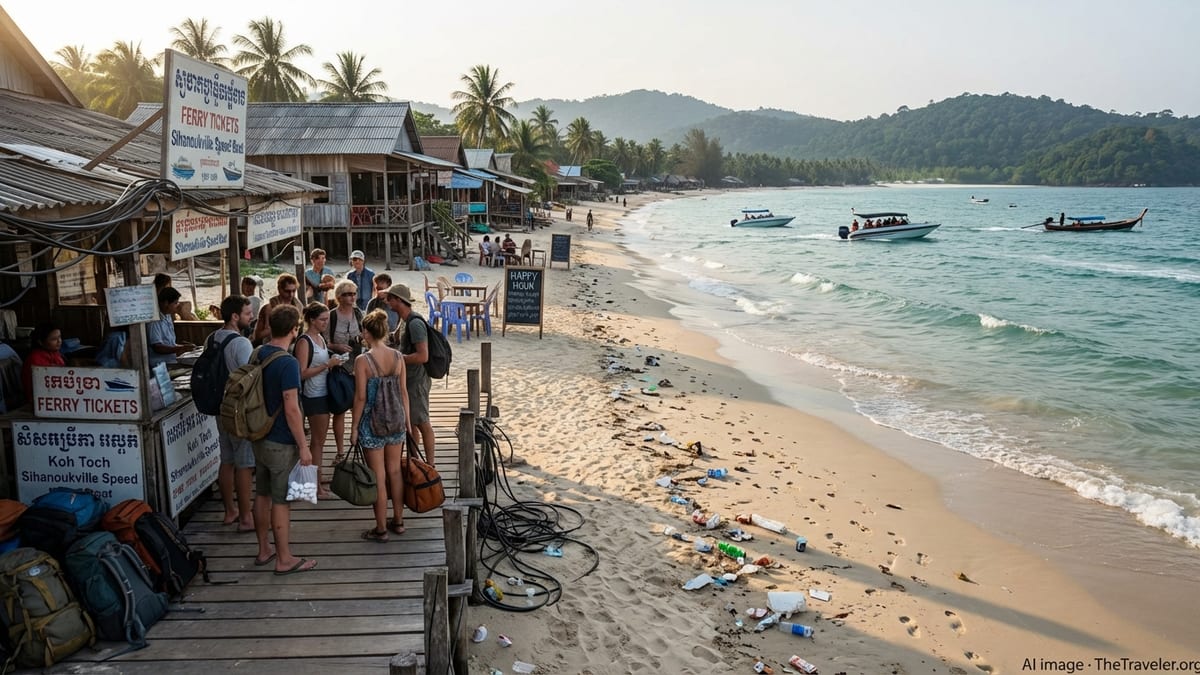
A Secluded Stretch Redefining Pattaya’s Image
Dongtan Beach sits between bustling Pattaya Beach and high-rise Jomtien, yet remains markedly quieter than either. Recent travel coverage describes it as one of the area’s cleanest and calmest stretches of sand, framed by palm trees and a car-free beachfront path where traffic noise gives way to the sound of the surf. Reports indicate that visitors increasingly single out Dongtan as one of the best places around Pattaya for an unhurried beach day, with early-morning walkers and sunset strollers replacing the party crowds found elsewhere.
Publicly available information shows that this narrow crescent, technically part of the wider Jomtien coastline, has long been popular with LGBTQ+ travelers and repeat visitors who prefer a more relaxed scene. Travel guides in 2025 and 2026 highlight Dongtan as both inclusive and intimate, a contrast to the dense bar districts further north. While the sand is shared with day-trippers and local residents, the atmosphere typically remains low-key, with deckchairs, beach massage pavilions and small cafés rather than booming music or jet-ski queues dominating the shoreline.
At the same time, Pattaya as a whole is moving steadily away from its former single-focus nightlife reputation. Tourism and real estate analyses over the last two years point to a broader repositioning toward family-friendly, lifestyle and wellness travel, with quieter neighborhoods such as Jomtien and nearby Pratumnak marketed as more upscale, residential and green. Within this shifting landscape, Dongtan Beach has become a showcase for how the city can offer higher-quality, more peaceful coastal experiences while still remaining easily accessible from central Pattaya.
Discreet Luxury on the Water’s Edge
Although Dongtan Beach is compact, the accommodation mix along and around it has grown steadily more upmarket. Boutique beachfront resorts and low-rise villa complexes emphasize direct access to the sand, shaded gardens and a slower rhythm than the high-rise corridors of central Pattaya. Hospitality fact sheets and industry promotions describe upgraded rooms, refined landscaping and design touches positioned to appeal to travelers who want comfort and privacy rather than loud entertainment at their doorstep.
Beyond the immediate beachfront, nearby hillside and side-street developments have brought in higher-end condominiums and serviced residences, particularly around Pratumnak Hill, which local property firms like to compare to a “Beverly Hills” enclave above the sea. These projects typically market sea views, landscaped pools and wellness facilities, reinforcing the perception of the area as an increasingly aspirational address. For visitors staying a few nights, this translates into a broader choice of luxury or near-luxury stays within walking distance of Dongtan’s quieter sands.
Travel features on Pattaya’s evolving hospitality scene also underline a wider upgrade in service standards across the city, ranging from new five-star openings to established resorts modernizing their facilities. While many of these properties sit along Pattaya and Wong Amat beaches or further south toward Bang Saray, Dongtan benefits from being at the center of this upgraded coastal corridor. Guests can pair a calm beach base with easy access to high-end dining rooms, rooftop bars and branded spa experiences scattered across the wider metropolitan area.
Green Shade, Inclusive Vibe and Room to Breathe
Part of Dongtan Beach’s appeal for peace seekers lies in its physical layout. The pedestrian promenade that runs behind much of the sand reduces through-traffic, and tall trees provide natural shade that many visitors find in short supply on other nearby beaches. Travel writers who have mapped Pattaya’s coastline in recent years often describe Dongtan as a natural extension of Jomtien, but with more greenery and fewer hawkers per meter of sand than in the busier sections to the south.
Another defining feature is its inclusive atmosphere. Numerous destination guides and LGBTQ+ travel platforms continue to identify Dongtan as Pattaya’s most established gay-friendly beach, particularly around certain clusters of sunbeds and cafés. The mood is relaxed rather than raucous, and reports indicate that solo travelers, couples and small groups mix comfortably with local residents out for a quiet swim. This blend of openness and calm has helped the beach cultivate a reputation as a safe, low-pressure environment compared with some nightlife zones inland.
Cleanliness has also become a selling point. Regional beach roundups and recent visitor accounts often contrast the improved water and sand conditions at Dongtan and Jomtien with older criticisms of central Pattaya Beach. While environmental challenges remain across much of Thailand’s heavily used coastline, municipal clean-up initiatives and more consistent beach management are widely credited with making Pattaya’s southern shores more attractive to visitors who value order and basic environmental standards as part of a luxury experience.
Lifestyle, Not Nightlife: What Today’s Visitors Are Seeking
Travel and tourism reporting over the past year suggests that Pattaya’s visitor mix is changing, with more families, long-stay retirees and lifestyle-focused travelers arriving alongside traditional holidaymakers. Articles tracking Russian and European demand, in particular, note greater interest in nature-based excursions, water parks, island day trips and wellness activities, with nightlife playing a smaller role in overall itineraries. For this audience, Dongtan Beach functions as an appealing daytime hub, offering proximity to the city without immersing guests in its liveliest streets.
Regional travel guides for 2025 and 2026 increasingly present Dongtan and adjacent Jomtien as the recommended base for those who want Pattaya’s conveniences without its most crowded corners. The area provides quick transport links to shopping malls, cultural attractions and ferry piers, but many visitors reportedly choose to spend long stretches staying put on the sand or in nearby pools. Evenings tend to revolve around casual seafront dining or low-key drinks rather than club-hopping, reinforcing the sense that this part of town caters more to relaxation than revelry.
At the same time, the growth of short-term rentals and larger beach houses south of central Pattaya has expanded the options for multi-generational groups and friends traveling together. Industry commentary points to strong demand for villas and family-style units that can sleep six or more, often located on or near quieter beaches. Dongtan’s limited footprint means it retains a small-scale feel, yet it is positioned within a broader belt of coastal accommodation tailored to guests who prioritize space, privacy and the ability to retreat from city noise.
How Dongtan Fits Into Pattaya’s Next Chapter
The transformation of Dongtan Beach into an understated luxury refuge mirrors Pattaya’s wider strategy to diversify beyond a nightlife-first image. Tourism authorities at the national and local levels have spoken publicly in recent years about lifting service standards, improving safety and promoting more sustainable, higher-yield forms of tourism. Cleaner beaches, upgraded infrastructure and new family-oriented attractions around the region all form part of this policy backdrop, even if the pace and visibility of change varies across neighborhoods.
For now, Dongtan offers something that many long-time Pattaya watchers once considered unlikely: a place where travelers can experience the city in a softer register, waking to quiet mornings, spending unhurried days by the water and returning to low-rise retreats rather than neon-soaked avenues. As more visitors seek restorative breaks that combine comfort, inclusivity and easy access to urban conveniences, this compact strip of sand is emerging as one of the Gulf of Thailand’s most intriguing examples of low-key luxury.