

More news on this day
Dover is preparing for one of its most ambitious cruise seasons yet in 2026, with calls from Viking Vela, expanded deployments by major cruise brands and a renewed focus on sustainable, experience-rich itineraries built around the iconic White Cliffs.
Get the latest news straight to your inbox!
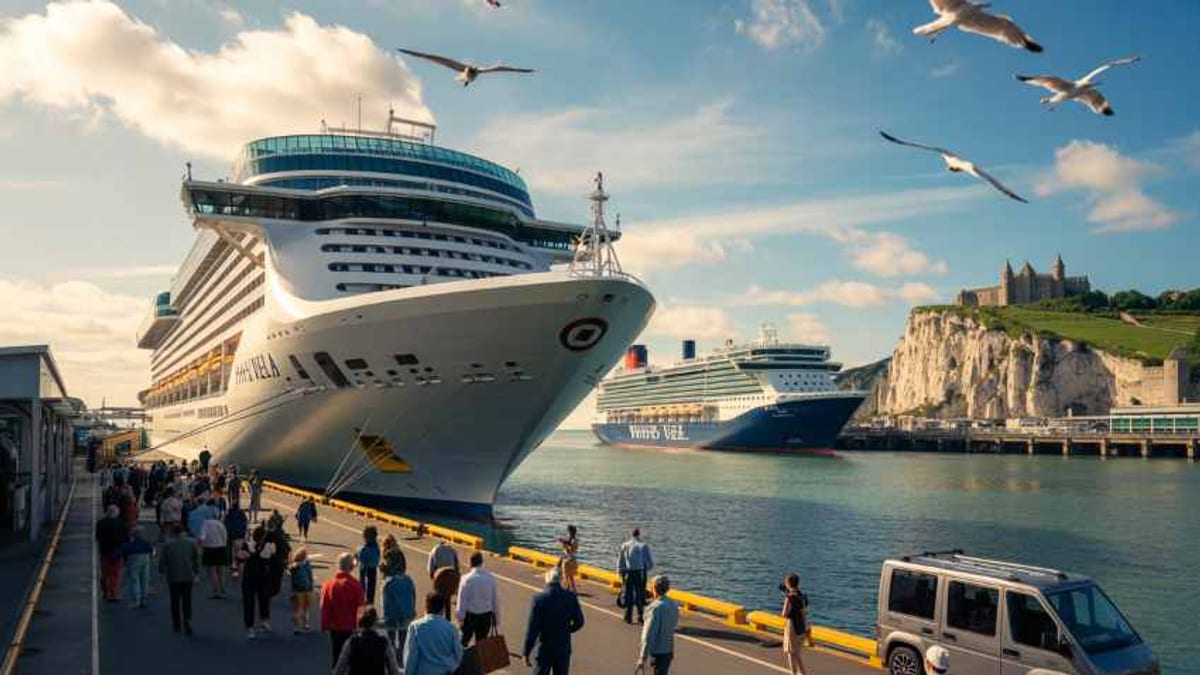
Image by International Cruise News: Latest Cruise Line & Cruise Ship News
A Milestone Year for Dover’s Modern Cruise Era
Publicly available information from the Port of Dover indicates that 2026 is being positioned as a landmark year, coinciding with the 30th anniversary of the opening of its first dedicated cruise terminal. Recent port communications describe a "bumper" season, reflecting both rising passenger demand and a broader range of ships choosing Dover as a gateway to northern Europe and the British Isles.
Preliminary schedules and industry coverage point to more than 100 cruise calls expected across the year, spanning mainstream, premium and expedition lines. Dover’s role as a turnaround port for ex-UK sailings continues to grow, with itineraries ranging from short breaks in Western Europe to extended voyages reaching the Arctic Circle and North America.
Industry reports on the wider UK cruise sector suggest that Dover is benefiting from a long-term trend of lines basing ships closer to their core European customer base. This shift has reinforced Dover’s status as a convenient embarkation point within easy reach of London and southeast England, while also attracting international travellers seeking an alternative to larger city ports.
Alongside the headline passenger numbers, port documentation highlights the economic impact for Kent’s tourism economy, from hotel stays and coach tours to shore-based excursions that connect visitors with nearby heritage sites, coastal towns and countryside attractions.
Viking Vela Brings Nordic Style to the White Cliffs
Viking Vela, one of Viking’s newest ocean ships, features prominently in 2026 Northern Europe and fjord-focused deployment. Cruise schedules and enthusiast tracking sites show Vela operating a series of Scandinavian and North Sea itineraries that include calls at Dover as a convenient embarkation and transit point for UK guests.
Viking’s ocean fleet has built its reputation around adults-only cruising, destination-led itineraries and a consistent onboard design across sister ships. Background information on the class indicates that Vela offers the line’s familiar all-veranda accommodation, a spa influenced by Nordic bathing traditions and a strong focus on cultural enrichment through lectures and port talks.
Schedules compiled by European ports and cruise-tracking resources suggest that Viking is leveraging Dover’s location to connect UK guests directly with itineraries featuring Norwegian fjords, North Sea capitals and the Baltic region. These sailings typically combine longer days in port with scenic cruising, appealing to travellers looking for a slower, more immersive style of voyage.
Vela’s presence also underscores a broader pattern of newer, more efficient tonnage calling at Dover in 2026. Analysts note that modern ships, including those in the Viking fleet, are generally designed with improved energy efficiency, optimized hull forms and advanced propulsion, aligning with Dover’s own environmental goals.
New Ships and Longer Voyages Expand 2026 Options
Beyond Viking Vela, 2026 will see a variety of notable deployments touching Dover. Industry coverage highlights Carnival Cruise Line’s long-term commitment to the port, with Carnival Legend scheduled to operate from Dover in 2026, following earlier seasons by other ships in the fleet. This adds further mainstream capacity and a different onboard style for holidaymakers weighing their options.
Independent cruise retailers and schedule aggregators list extended itineraries departing Dover in mid-2026, including lengthy repositioning and world-cruise segments. One example is a more than 60-night voyage that begins in Dover and crosses multiple regions, illustrating how the port serves as a launch point for far-reaching journeys beyond Europe.
Port of Dover schedules for 2026 also indicate calls from a mix of premium and boutique operators, using Dover either as a full turnaround port or as a day call on British Isles and Western Europe routes. This variety allows the port to cater simultaneously to first-time cruisers, repeat guests looking for more unusual itineraries and international passengers keen to combine London city stays with cruise holidays.
Travel trade reports on the 2026 global order book emphasize that new ships entering service across several brands will be concentrated in Europe and the Caribbean. While not all of these vessels will call at Dover, the general fleet renewal is expected to increase competition and choice, supporting the port’s ambition to attract more lines in subsequent seasons.
Investments in a Greener, More Efficient Cruise Gateway
Dover’s 2026 cruise season also coincides with a period of visible investment in infrastructure and environmental initiatives. The port’s published sustainability strategy outlines targets aligned with international climate goals and describes measures such as alternative fuels trials, air-quality monitoring and work on clean shore-side power solutions for visiting vessels.
Industry features on UK ports note Dover’s role in the national move toward lower-emission cruise operations, referencing its participation in government-backed programmes intended to accelerate maritime decarbonisation. These initiatives include exploring shore power and cleaner fuels, as well as incentivising visiting ships that demonstrate strong environmental performance through awards and recognition schemes.
Recent annual reports from the port highlight the adoption of Hydrotreated Vegetable Oil as an alternative fuel in certain operations, as well as investments in digital systems to streamline traffic management. These measures are designed to reduce congestion, cut emissions and offer a smoother experience for passengers moving between ship, terminal and onward ground transport.
For travellers, these behind-the-scenes changes are likely to manifest as shorter processing times in the terminal, clearer wayfinding and quieter, cleaner quayside environments. As more cruise lines publicise their own decarbonisation roadmaps, Dover’s progress is expected to be a selling point in marketing European itineraries to environmentally conscious guests.
Experiences Ashore: From Kent’s Coastline to European Gateways
The 2026 season is expected to place renewed emphasis on how Dover integrates with the wider visitor economy of Kent and southeast England. Shore excursion programmes publicised by cruise lines highlight visits to landmarks such as Canterbury Cathedral, Leeds Castle, local vineyards and coastal walking routes along the White Cliffs, giving passengers a taste of the region even on short calls.
Travel features on the area suggest that many guests are extending their stay either before or after their cruise, using Dover as a base for rail trips to London or for touring the broader Kent countryside. This trend of pre- and post-cruise stays is seen as a key opportunity for local hotels, restaurants and attractions.
At the same time, Dover remains an efficient springboard for reaching continental Europe. Some itineraries use Dover as a convenient UK call within wider routes that also visit nearby French ports, the Low Countries and the Baltic. For international travellers, this combination of iconic English scenery with easy access to multiple countries in a single voyage is a distinctive draw.
As cruise lines refine their 2026 offerings, published schedules indicate that Dover will continue to host a balance of shorter regional sailings and longer, more complex itineraries. With Viking Vela among the notable visitors and a series of infrastructure and sustainability projects under way, the port is positioning itself as a key player in northern Europe’s evolving cruise landscape.