

More news on this day
Travelers passing through São Paulo–Guarulhos International Airport faced widespread disruption today, with publicly available tracking data indicating at least 55 delayed departures and four cancellations affecting LATAM Brasil, GOL, Azul and other carriers across key domestic and long haul routes.
Get the latest news straight to your inbox!
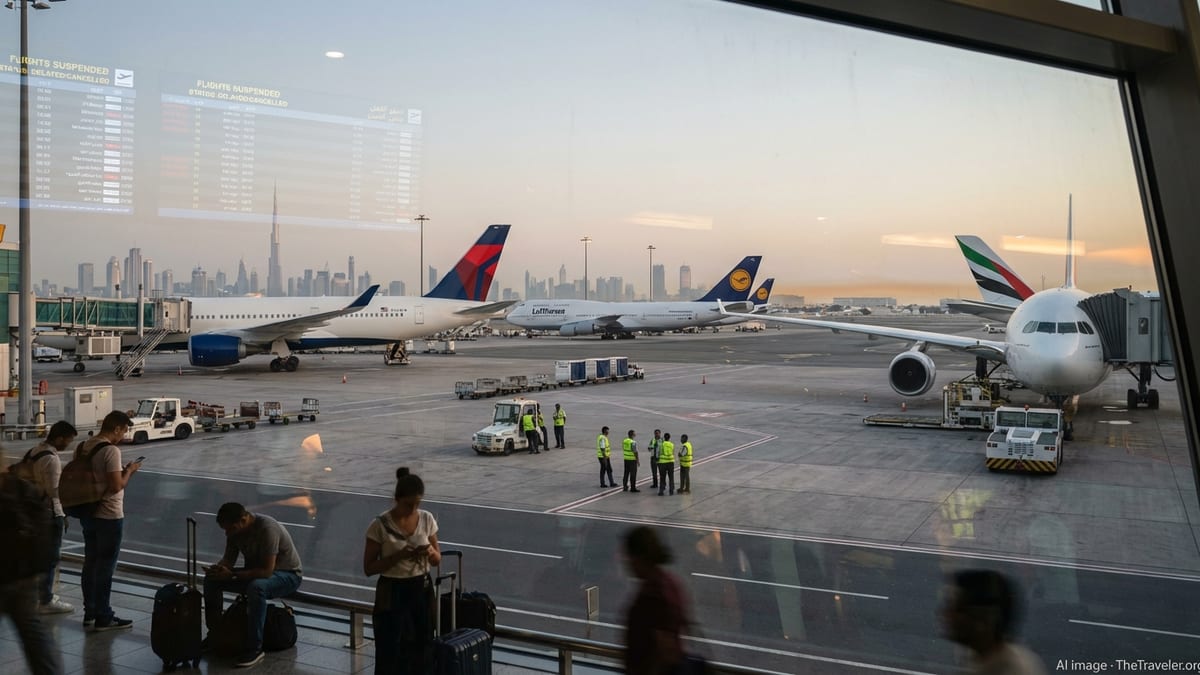
Wave of Disruptions Hits Brazil’s Busiest Hub
The operational turbulence at São Paulo–Guarulhos unfolded through the morning and afternoon, as delay statistics and live schedule boards showed a growing list of flights pushed back well beyond their scheduled departure times. GRU, Brazil’s main international gateway, typically moves tens of thousands of passengers per day across Latin America, North America and Europe, amplifying the impact when irregular operations occur.
While delays are common at large hubs, today’s pattern stood out for the sheer concentration of affected departures in a relatively short window. The impact reached both domestic shuttles linking São Paulo to major Brazilian cities and international services connecting Brazil to destinations such as Paris, New York, London and Buenos Aires.
Published airport and aviation data suggest a complex mix of causes, including knock on effects from earlier late arrivals, tight aircraft and crew rotations, and congestion during peak banks of international departures. Together, these factors left many passengers grappling with missed connections, rebookings and extended waiting times at terminals 2 and 3.
International Routes to Paris, New York and London Affected
International travelers bore a significant share of today’s disruption as evening and overnight services from GRU to major global hubs faced schedule changes. Route timetables show LATAM Brasil, GOL and Azul all marketing or codesharing services between São Paulo and key cities such as Paris, New York and London, as well as onward connections throughout Europe and North America.
On the Brazil Paris corridor, recent schedule updates list departures from GRU in the early evening, operated or marketed by Brazilian carriers alongside foreign partners. With aircraft arriving late from earlier legs and turnarounds compressed, even modest inbound delays translated into later pushback times for transatlantic segments, heightening the risk of missed onward trains and regional flights in Europe.
Links between São Paulo and New York and between São Paulo and London also showed signs of strain. These routes typically serve a high volume of business and connecting traffic, including passengers continuing to secondary markets in the United States, Canada and across the United Kingdom and Europe. When widebody flights leave behind schedule, missed minimum connection times at downstream hubs can cascade into further rebookings and overnight stays.
Airline and airport dashboards available to the public reflected a familiar pattern at major intercontinental hubs: once long haul departures begin to slip, recovery can take several hours, particularly when aircraft utilization is high and spare capacity during busy seasons is limited.
Regional Links to Buenos Aires and South America See Knock On Effects
Closer to home, short haul international routes from GRU into South America also saw ripple effects. São Paulo Buenos Aires traffic, served several times per day by LATAM Brasil, GOL and Azul in combination with Argentine partners, appeared among the affected flows, with some departures showing revised estimated times and tighter connections at both ends.
These flights are vital connectors for business travelers and tourists moving between Brazil and Argentina, as well as for those transiting via Buenos Aires to Chile, Uruguay and other Southern Cone destinations. Even a delay of one or two hours on the São Paulo segment can cause passengers to miss regional feeders, forcing airlines to re accommodate travelers on later services where seats are available.
Regional links from GRU to other South American capitals and major Brazilian cities also felt pressure. Concentrated late departures on trunk routes complicate baggage transfers, strain customer service desks and add to crowding at boarding gates, particularly when multiple banks of delayed flights depart in quick succession.
Domestic Network of LATAM, GOL and Azul Stretched
Within Brazil, LATAM Brasil, GOL and Azul collectively operate a dense mesh of routes radiating out of São Paulo–Guarulhos to cities such as Rio de Janeiro, Brasília, Belo Horizonte, Porto Alegre, Recife and Fortaleza. Today’s irregular operations placed that network under visible strain, according to live tracking platforms and schedule aggregators.
Domestic legs often feed international departures at GRU, and any delay on these inbound segments can push connecting passengers and bags against minimum connection thresholds. Reports from passenger facing channels and timetable data indicated that several domestic flights arrived behind schedule, compressing connection windows for travelers heading onward to New York, London, Paris and other long haul destinations.
With aircraft scheduled for multiple rotations per day, every late arrival can propagate through subsequent flights unless operators can swap in spare aircraft or crew. In Brazil’s concentrated market, where the three largest carriers handle the bulk of domestic demand, such disruptions can simultaneously affect thousands of travelers across the country.
What Today’s Disruptions Mean for Travelers at GRU
For passengers at São Paulo–Guarulhos today, the immediate impact was felt in tense waits at departure gates, shifting boarding times on screens and long lines at rebooking counters. Travel forums and social media posts referenced concerns over close connections at GRU, particularly when changing airlines or terminals within the airport’s sprawling complex.
Consumer and aviation information resources generally advise allowing ample connection time at GRU, especially when combining separate tickets or moving between domestic and international terminals. The volume of delayed departures today underlines that guidance, as even minor schedule slips can cascade into missed flights when buffers are tight.
Observers note that passengers with affected itineraries should monitor their flight status frequently through airline channels, remain attentive to boarding gate changes and, where possible, build extra time into itineraries involving GRU. Today's concentration of delays and cancellations at Brazil’s busiest airport illustrates how quickly conditions can shift, turning a routine connection into a day of unexpected waiting and uncertainty.