

Driving in Alaska is one of the most rewarding road experiences in North America, but it is also one of the most unforgiving. Distances are vast, weather is unpredictable even in summer, winter brings long darkness and ice, and many highways pass through remote country with limited services and spotty cell coverage. With the right preparation and a realistic plan, though, independent travelers can safely enjoy Alaska’s roads, from coastal routes and glacier valleys to Arctic truck corridors and gravel backroads.
Understanding Alaska’s Unique Driving Environment
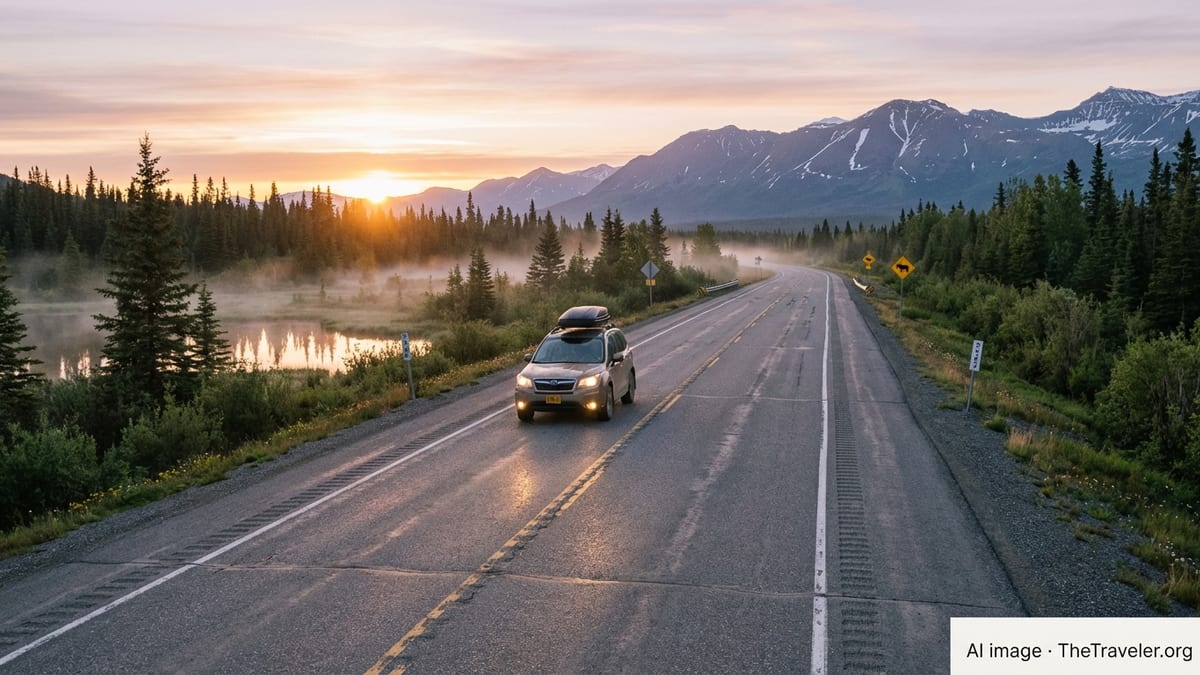
Alaska is larger than Texas, California and Montana combined, but its road network is relatively small. Most visitors travel a core set of highways, including the Seward, Glenn, Parks, Richardson and Sterling highways, which link Anchorage, Fairbanks and the Kenai Peninsula. Off these main routes lie more remote roads such as the Dalton Highway to Deadhorse, the Taylor and Top of the World highways near Canada, and gravel spurs like the Denali Highway and McCarthy Road. Many communities are not reachable by road at all, so driving often means long stretches between fuel, food and lodging.
Weather magnifies the challenge. Conditions can swing quickly from clear skies to heavy rain, fog, snow or freezing drizzle, even in late spring and early fall. Interior routes such as the Parks and Richardson highways can be frigid in winter yet hot and dusty in midsummer. Coastal corridors like the Seward and Sterling highways see frequent storms and rapidly changing visibility. Drivers should expect that “four seasons in one day” is possible, pack for it, and build margin into any itinerary.
Another defining factor is daylight. In midwinter, much of Alaska has only a few hours of usable light, especially north of Anchorage. That concentrates driving into short windows and increases night driving, which is when ice is harder to see and wildlife is most active. In midsummer the opposite is true, with very long daylight hours that can tempt visitors to overextend and drive while tired. Planning around the light, not just the mileage, is essential.
Seasonal Road Conditions and Closures
Understanding how seasons affect Alaska’s roads will shape when, where and how you drive. From roughly October through April, snow and ice are common throughout much of the state. The Alaska Department of Transportation and Public Facilities advises that some highways receive no winter maintenance for safety and cost reasons. Roads such as the Denali Highway, Taylor Highway, Top of the World Highway and portions of McCarthy Road and some Nome-area roads are typically closed or unmaintained during the long winter period and may be impassable for ordinary vehicles.
Even on plowed routes, winter driving brings persistent packed snow, black ice, drifting and occasional whiteout conditions. Bridges and overpasses often freeze first and can be slick even when adjacent pavement looks bare. Drivers accustomed to lower-latitude winters should assume that traction will often be far worse than it appears and adjust speeds, following distances and travel plans accordingly. It is normal for journeys to take significantly longer than the posted limits suggest, and “waiting it out” when storms move through is treated as sensible rather than inconvenient.
In spring, thawing creates its own hazards. Melting snow and ice can produce potholes, soft shoulders and standing water that hides deep ruts. Gravel stretches can become muddy or rutted until maintenance crews can smooth and regrade them. Occasional washouts or flooding, particularly on remote roads like the Dalton Highway, can close lanes or entire sections for days while emergency repairs are made. Summer and early fall usually offer the best overall conditions, but heavy rain, construction zones and loose gravel around work areas still demand caution.
Tires, Traction and Basic Vehicle Preparation
Good tires and sound mechanical preparation are the single most important investments you can make before driving in Alaska. For winter and shoulder seasons, most residents rely on dedicated winter tires, often with studs where permitted by law, to manage the long periods of packed snow and ice. Studded tire use in Alaska is regulated by latitude and date, with different legal windows north and south of 60 degrees north. These windows generally cover the core winter months, but travelers should confirm the exact current rules before installing or removing studs, as emergency extensions can be granted when winter conditions linger late into spring.
In summer, quality all-season or all-terrain tires in good condition are usually sufficient for paved highways and typical gravel stretches. Tread depth and tire age matter as much as the nominal tire type. Remote roads like the Dalton Highway, Denali Highway or McCarthy Road can be extremely hard on tires, with sharp gravel and embedded rocks that increase puncture risk. Carrying a full-size spare, knowing how to change a tire on uneven surfaces, and having a tire repair kit and air compressor can prevent a minor problem from turning into a major incident.
Beyond tires, basic mechanical preparation should include a check of brakes, battery, belts, hoses and fluids suitable for the expected temperature range. In winter, ensure that coolant and windshield washer fluid are rated for sub-freezing conditions and that wiper blades are robust enough to handle ice and slush. Functional heaters and defrosters are essential both for comfort and for maintaining visibility. In any season, a working 12-volt outlet, phone charger and, ideally, an external battery pack can be very helpful when cell service is available.
Wildlife, Visibility and Safety on the Road
Large wildlife on or near the road is one of the most serious driving hazards in Alaska. Moose, caribou and occasionally bears may appear suddenly, particularly at dawn, dusk, night or during storms when visibility is reduced. Moose are especially dangerous because their tall bodies put much of their weight at windshield height. Studies of wildlife collisions in northern regions suggest that crashes with moose are significantly more common in winter and low-light periods, when deep snow and plowed corridors draw animals onto roadways and verges.
Recent fatal crashes near major destinations like Denali National Park underline that wildlife hazards are not limited to remote backroads. Authorities regularly remind drivers to slow down in known wildlife corridors, use high-beam headlights when appropriate, and watch for the reflection of animal eyes and the dark silhouettes of moose or caribou along the shoulders. In winter, snowbanks can hide animals until they are very close, and blowing snow can make it difficult to distinguish a dark animal from the background until the last moment.
Practical strategies help reduce risk. Stay alert, avoid distractions, and keep headlights on at all times, even in daylight during poor weather. Increase following distance in case the vehicle ahead brakes suddenly for an animal. If you spot wildlife near the road, reduce speed well in advance rather than swerving at the last second. Be aware that animals sometimes travel in groups; where you see one caribou or moose, others may follow. In residential edges and school zones in winter, state troopers even advise pedestrians and parents to use reflective clothing and flashlights because of the combination of darkness, snow and wildlife.
Remote Highways and How to Plan for Them
Some of Alaska’s most iconic drives are also its most remote. Routes like the Dalton Highway toward the Arctic Ocean, the Taylor and Top of the World highways near the Yukon border, and long interior stretches of the Richardson or Alaska Highway have few services and limited year-round populations. Fuel stops, food, lodging and repair services can be separated by 100 miles or more. Cell coverage is often intermittent or absent, and travel volumes can be low, especially outside peak summer months.
Before attempting these roads, it is important to research current conditions through official road information systems and local contacts and to be honest about your driving skills and vehicle capability. Drivers on remote highways should travel with extra fuel where appropriate, a well-stocked emergency kit including warm clothing and sleeping bags, basic tools, and enough food and water to be self-sufficient for at least several hours if stranded. In winter, being prepared to remain safely in your vehicle until help arrives can be lifesaving.
On heavily used truck routes like the Dalton Highway, understanding local driving etiquette is part of planning. Many experienced drivers carry a CB radio to listen to and communicate with commercial truckers regarding passing, hazards and road conditions ahead. Expect slower speeds than mapping apps indicate, especially over mountain passes or gravel sections, and allow generous time for weather delays, construction, or temporary closures due to avalanches or washouts. Stopping in roadside communities, camps or lodges en route can provide up-to-date, practical reports from those who drive these roads daily.
Planning Itineraries, Fuel and Daylight
Creating a realistic itinerary in Alaska starts with accepting that distances on the map translate differently once you are on the road. A 250-kilometer drive on a major highway may look straightforward but can easily stretch into a full day when you add slow traffic behind RVs, wildlife sightings, construction zones, weather and photo stops. Routes involving gravel roads or remote segments should be planned for even more conservative speeds. Visitors are often surprised by how tiring long days behind the wheel can be, especially when they are also fitting in hikes, tours or sightseeing.
Fuel planning is critical. Although major highways generally offer regular service stations in and between Anchorage, Fairbanks and the Kenai Peninsula, gaps still exist, and opening hours may be limited outside peak season. On roads like the Dalton, Taylor, Denali Highway or McCarthy Road, fuel stops are few and may be at small private facilities. Travelers should know in advance where they can refuel, top up whenever practical instead of waiting for low tank warnings, and carry extra fuel cautiously where distances are long and conditions uncertain.
Daylight should be treated as a resource. In summer, the long days allow for flexible driving schedules, but fatigue can sneak up when travelers push late into the bright night. In late fall, winter and early spring, short days mean that much driving will occur in the dark if you attempt long legs. Planning shorter segments, building rest days into a road trip, and scheduling the most demanding stretches for times of better light and weather improve both safety and enjoyment.
Essential Gear and Emergency Preparedness
Regardless of season, every Alaska road trip should include a thoughtfully assembled kit of safety and comfort items. At a minimum, carry an ice scraper and snow brush in colder months, a flashlight or headlamp with spare batteries, reflective vest or clothing, basic first-aid supplies, water, high-energy snacks, a paper map or atlas, and a charged phone with an in-vehicle charger. In remote regions, consider a satellite communication device or emergency beacon if you will be out of cell range for long stretches.
In winter and shoulder seasons, additional gear becomes essential. Warm clothing for all occupants, including hats, gloves, insulated boots and extra layers, should be accessible in the passenger cabin rather than packed in the trunk. Blankets or sleeping bags rated for cold conditions can make waiting out a storm or a long delay more bearable and safer. A small shovel, traction aids such as sand or traction boards, and jumper cables can help you get moving again if you slide off the road or encounter starting problems in the cold.
Preparedness is not only about equipment but also attitude. In Alaska, it is considered normal to delay travel when conditions are poor and to prioritize arriving safely over arriving on time. Check weather forecasts before you set out, reassess during the day as conditions evolve, and do not hesitate to stop early if visibility, fatigue or road reports suggest that continuing would be unwise. Let someone know your planned route and expected arrival, especially on remote roads, and update them if plans change.
The Takeaway
Driving in Alaska offers access to glaciers, mountain passes, tundra, coastal fjords and wildlife that few other road networks can match. Yet those same landscapes demand a higher level of respect and preparation than many visitors are used to. Vast distances, sudden weather shifts, seasonal closures and the constant possibility of wildlife on the road mean that even routine journeys must be approached with care.
By learning how seasons affect road conditions, equipping your vehicle properly, building realistic itineraries around fuel and daylight, and carrying essential safety gear, you can significantly reduce risk and increase your margin for error. Listening to local advice, monitoring official road reports and being willing to slow down or wait out poor conditions complete the picture. With those habits in place, Alaska’s roads transform from intimidating lines on a map into a memorable part of the adventure.
FAQ
Q1. Do I need a four-wheel-drive vehicle to drive in Alaska?
Many main highways can be driven in a two-wheel-drive car in summer, but four-wheel drive or all-wheel drive provides extra traction on gravel, steep grades and in winter conditions.
Q2. When is the best time of year for a road trip in Alaska?
Late May through early September usually offers the most reliable road conditions, open services and long daylight, though rain, construction and occasional rough gravel are still possible.
Q3. Are winter road trips in Alaska safe for visitors?
They can be, but they require experience driving on ice and snow, proper winter tires, flexible plans and thorough emergency preparation. Many visitors choose guided tours instead of self-driving in midwinter.
Q4. How common are wildlife collisions on Alaska roads?
Wildlife collisions, especially with moose, occur regularly and are a serious safety concern. Slower speeds, high-beam use when appropriate and constant scanning of the shoulders help reduce risk.
Q5. How should I plan fuel stops on remote routes?
Research fuel locations in advance, top up whenever you have the chance, and never assume that a small station will be open late or year-round on remote highways.
Q6. Are gravel highways like the Dalton or Denali Highway suitable for rental cars?
Some rental companies restrict travel on certain roads, and gravel can be hard on tires and windshields. Always check your rental agreement and insurance, and consider a vehicle specifically approved for such routes.
Q7. What emergency gear is most important in winter?
Warm clothing and boots, blankets or sleeping bags, a shovel, traction aids, food, water, a flashlight and a fully charged phone with a charger are among the most critical items.
Q8. How do I check current road conditions in Alaska?
Travelers should use Alaska’s official road condition information services and local news or forecast outlets before departure and throughout the journey to stay updated on closures and hazards.
Q9. Is night driving more dangerous in Alaska?
Yes, especially in winter. Limited visibility, black ice and increased wildlife activity after dark all raise risks, so it is wise to limit night driving when possible.
Q10. Can sudden weather changes really affect summer driving?
Yes. Even in summer, mountain passes and coastal areas can see heavy rain, fog, strong winds or localized flooding that reduce visibility and traction. Flexible plans and cautious speeds help manage these shifts.