

Driving in Thailand can be exhilarating, convenient and, at times, confronting. Lush coastal highways, mountain switchbacks and buzzing city streets tempt many visitors to rent a car or motorbike. Yet Thailand also struggles with one of the world’s highest road accident rates, and tourists feature regularly in local crash reports. Understanding the rules, risks and realities before you drive is essential for both your safety and your legal protection.
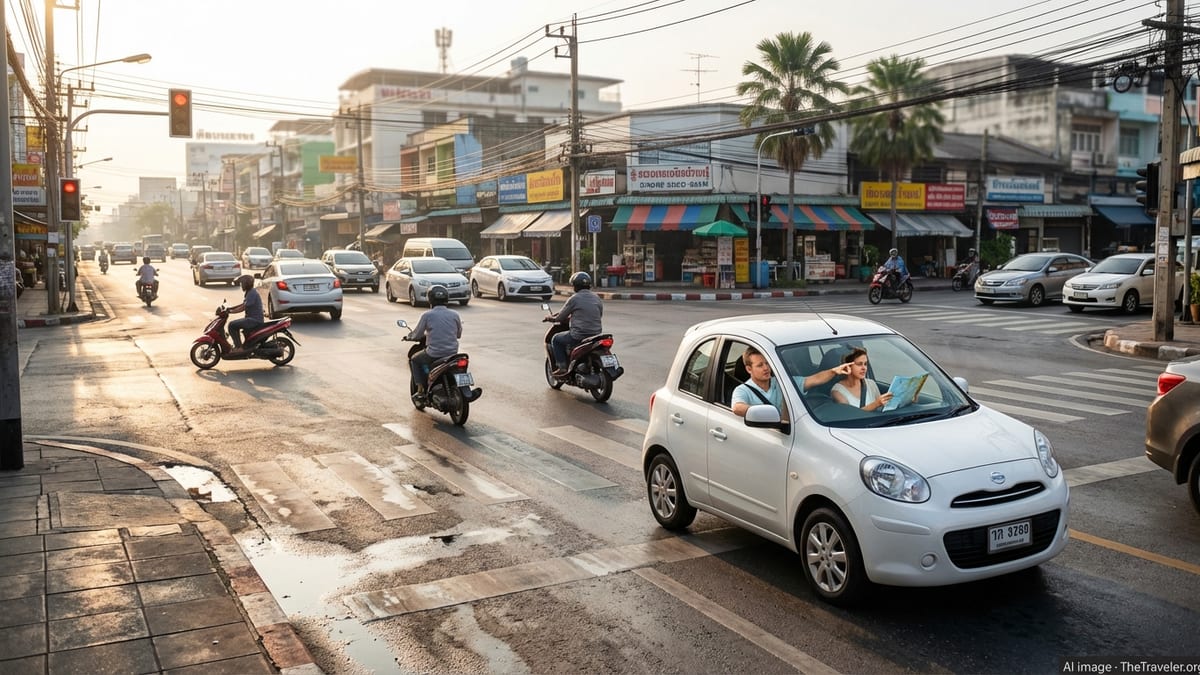
Licences, Permits and Who Is Allowed to Drive
Thailand’s Ministry of Transport has clarified that foreigners can drive legally if they hold a valid Thai licence, an International Driving Permit, or a licence issued by another ASEAN member state. These are the three main pathways for visitors and foreign residents who want to be behind the wheel. Tourists typically rely on their home-country licence combined with an International Driving Permit, while long-stay visitors often choose to convert to a Thai licence for convenience and legal certainty.
In practice, enforcement can vary. Some rental agencies will hand over keys if you present only a passport and a national licence, particularly in busy beach destinations. However, this does not guarantee you are fully legal under Thai law or properly covered by insurance. If you are involved in a collision and cannot demonstrate that you were driving with the correct licence or permit, you may find yourself personally liable for significant costs and potential penalties, regardless of what the rental counter told you.
Converting a foreign licence to a Thai licence is mainly an issue for residents rather than short-term tourists. It typically requires a passport, proof of residence, medical certificate, your existing valid licence and evidence of completing an official e-learning or safety training module. For most holidaymakers staying a few weeks, carrying a recognised licence plus an International Driving Permit remains the most straightforward option, and you should arrange it before departure in your home country.
Visitors from countries whose licences are not widely recognised, or whose licences are not in Roman script, should be particularly cautious. Carriers and local police may struggle to interpret unfamiliar or non-English-language documents. To avoid disputes at roadside checks, and to minimise arguments with insurers after an incident, it is wise to travel with documentation that clearly lists your full name, photograph, licence categories and expiry date in a format Thai authorities can understand.
Key Road Rules Tourists Need to Know
Thailand drives on the left-hand side of the road, with the steering wheel on the right in most vehicles. This can be disorienting for visitors from countries that drive on the right, especially when turning into side streets or entering roundabouts. Take extra care at junctions and when pulling out from roadside parking, as many accidents involving tourists occur in the first days of adapting to reversed traffic flow.
Seat belts are legally required for drivers and front-seat passengers, and authorities increasingly expect rear passengers to buckle up as well, even if enforcement is not always consistent. Child safety practices are improving but still lag behind standards in many Western countries. Families visiting Thailand should not assume that taxis or rental cars will come fitted with child seats, and should be prepared to request them in advance or bring suitable travel restraints from home if driving themselves.
Speed limits differ by road type and are sometimes poorly signed. Urban areas usually have limits in the lower range, while major highways allow higher speeds, but the practical reality is that local drivers often exceed these limits. Police conduct speed checks on busy routes and during holiday periods, and tourists are not exempt from on-the-spot fines. Even where enforcement feels relaxed, sticking close to official limits is an important part of managing your own risk on unfamiliar roads.
Drink driving is a major contributor to serious crashes in Thailand, and legal blood alcohol limits are relatively strict. Tourists should avoid driving after drinking entirely, especially during festivals such as Songkran and New Year when accident numbers spike and police checkpoints multiply. Random breath testing is common at night, and foreign drivers who test over the limit can face immediate arrest, court appearances and, in serious cases, prison sentences or deportation.
Motorbikes, Scooters and Helmet Crackdowns
Motorbikes and scooters are the backbone of Thai transport, and renting one is a common choice for tourists wanting cheap, flexible mobility. Yet motorcycles are involved in the vast majority of serious crashes, and riders account for a very high share of traffic deaths. Local and national data show that head injuries are the leading cause of fatalities, and that many victims were not wearing helmets at the time of impact.
Authorities have launched successive safety drives to change this. National police campaigns have increased fines for riding without a helmet and stepped up checks on both drivers and passengers. A major enforcement blitz on helmet use began in mid 2025, following research highlighting the very low rate of helmet wearing, especially among passengers. In tourist hubs such as Phuket, Bangkok and Chiang Mai, police operations now target rental bikes used by foreigners, with officers instructed to ensure visitors understand that helmets are not optional.
Tourists should be aware that simply balancing a loose, low-quality helmet on your head is unlikely to offer meaningful protection and may not satisfy officers at a checkpoint. A properly sized full-face or open-face helmet with a secure chin strap is far safer. Many rental shops supply basic helmets, but these can be poorly maintained or not certified. When possible, inspect the helmet for cracks, damaged straps or missing padding, and consider paying extra for higher-quality protection if available.
Riding without a valid licence for motorcycles is another common issue. In many home countries, a standard car licence does not automatically entitle you to ride a motorbike of any size. If you do not hold the correct motorcycle entitlement at home, you are very unlikely to be considered properly licensed in Thailand, even if a rental shop is willing to hand you the keys. In the event of a crash, this can complicate or invalidate insurance cover and leave you personally responsible for medical bills and property damage.
Police Checks, Fines and What Happens After a Crash
Roadside checkpoints are a routine part of driving in Thailand, particularly in cities, tourist provinces and near provincial borders. Police may stop vehicles to check licences, registration, proof of insurance, helmets for riders, or compliance with drink-driving laws. Most stops are brief and procedural, and officers are typically polite if you remain calm, respectful and prepared with your documents.
Fines for traffic violations such as speeding, not wearing a helmet or driving without a seat belt are usually payable either on the spot or at a police station. In recent years, some fines have increased as part of nationwide road safety campaigns. Tourists should carry enough local currency to settle minor penalties if legitimately issued, and always request an official receipt. Arguing aggressively or attempting to flee a checkpoint can escalate a simple traffic matter into a more serious offence.
If you are involved in a collision, the priority is safety. Move yourself and others out of danger if possible, call emergency services and contact your rental company. In many accidents, both parties wait for the police to arrive and document the scene. Officers may attempt to negotiate an immediate settlement between drivers for minor damage, reflecting local practice of handling incidents quickly and informally. Foreigners should remain cautious, avoid signing documents they do not understand and, where possible, seek interpretation assistance from their embassy, hotel or insurer.
In serious crashes involving injuries or deaths, police investigations are more formal and can be protracted. Foreign drivers are sometimes required to remain in Thailand while the case is examined, and passports may be temporarily held as part of legal proceedings. Courts can consider factors such as speed, alcohol, lane discipline and right of way when assigning responsibility. Tourists should appreciate that even if they felt they were driving carefully, they may still face civil or criminal exposure under Thai law if deemed at fault.
Insurance, Liability and Rental Car Pitfalls
Insurance can be one of the most misunderstood aspects of driving in Thailand. All vehicles must carry a basic compulsory policy that provides limited medical coverage, but this is not designed to fully protect drivers, passengers or third parties in serious incidents. Comprehensive insurance, which covers higher medical costs and damage to vehicles and property, is optional and may not automatically be included in cheap rental deals, especially at smaller local agencies.
Tourists should carefully inspect rental contracts to see what level of cover is actually provided. Look for clear statements about maximum liability, collision damage waivers, exclusions for unlicensed driving or alcohol, and whether damage to tyres, glass and underbody is covered. If terms are vague or staff cannot explain them, treat that as a warning sign. Relying solely on a verbal assurance that “insurance is included” can leave you exposed when it matters most.
Credit card travel insurance and separate travel policies purchased at home sometimes include rental vehicle cover, but these benefits often come with strict conditions. Common requirements include paying for the rental with the card, naming the cardholder as the principal driver and complying with all local laws, including licensing rules. If you were riding a motorbike that exceeded the engine capacity specified in your policy, or driving without a recognised licence, your insurer may deny a claim even if the rental shop was happy to provide the vehicle.
Thoroughly documenting the condition of your car or bike before departure is also important. Take date-stamped photos or video of any existing scratches, dents or cracked panels, and ensure the rental staff record them. On return, ask for a signed acknowledgement that the vehicle was received in acceptable condition. While most rental agencies operate honestly, disputes over pre-existing damage are not uncommon, and clear evidence can save significant time and money.
Road Culture, Hazards and Staying Safe Day to Day
Beyond written laws, Thailand’s informal road culture can surprise first-time visitors. Lanes are treated as approximate, with drivers often straddling lines or creating extra running lanes along the shoulder. Motorbikes weave between cars, appear suddenly from blind spots and may travel against traffic on the edge of the road. Pedestrian crossings do not always guarantee that vehicles will stop, even in busy tourist areas, so visitors should never assume they have unquestioned right of way.
Night driving, especially outside major cities, deserves special caution. Many rural roads have limited lighting, patchy surfaces and unexpected hazards such as stray dogs, livestock, slow-moving tractors or parked vehicles without warning triangles. Heavy rain in the wet season can rapidly reduce visibility and create standing water that increases the risk of skidding or aquaplaning. If you are not comfortable with these conditions, it is reasonable to adjust your itinerary to avoid long after-dark drives.
Weather can shift quickly from bright sunshine to intense tropical downpours. Motorcyclists are particularly vulnerable, as wet roads combined with oil residue create slick surfaces, while visibility for both riders and surrounding drivers deteriorates. When rain starts, many locals immediately seek shelter under overpasses or roadside awnings. Tourists would be wise to follow their lead rather than pressing on at normal speeds. Slowing down, increasing following distances and using headlights appropriately are simple but effective defences.
Urban centres like Bangkok present a different set of challenges: dense traffic, complex one-way systems, expressway ramps and frequent lane changes. For many visitors, using licensed taxis, ride-hailing services and public transport is safer and less stressful than self-driving in the capital. If you do choose to drive, invest time before each journey in studying routes, understanding toll systems and identifying safe places to stop if you become disoriented.
Recent Safety Campaigns and Their Impact on Tourists
Thai authorities and private organisations have launched a range of initiatives in recent years aimed at reducing accident rates and improving driver behaviour. National helmet campaigns have sharply increased fines for riding without protective headgear and focused enforcement on school zones and high-risk corridors. The “Safe Roads Project” has become a prominent banner under which police run targeted operations, from helmet blitzes to checks on motorcycle taxis and delivery riders.
In popular tourist provinces such as Phuket and Prachuap Khiri Khan, local governments have rolled out dedicated safety drives for visitors. These include seminars for car rental firms, distribution of multilingual information leaflets to tourists, and closer cooperation between police, consular officials and tourism businesses. Workshops have focused on the specific problem of foreign riders renting motorbikes without understanding basic Thai road rules or the seriousness of enforcement campaigns.
Major motorcycle manufacturers and mobility foundations have also joined the effort. Collaborative programmes with city authorities promote campaigns that frame safe driving as a positive social value and encourage drivers to adopt habits such as checking blind spots, watching for motorcycles and maintaining safe distances. Helmet donation caravans, especially in Bangkok and other large cities, have put thousands of additional helmets into circulation among riders and passengers.
For tourists, the direct consequence of these campaigns is a higher likelihood of encountering checkpoints, signage and public messaging stressing compliance. Visitors can expect less tolerance for obvious infractions like helmetless riding, speeding past schools or riding three to a scooter. At the same time, the growing emphasis on road safety means there is more information available, in more languages, to help foreign drivers understand expectations and protect themselves.
The Takeaway
Driving in Thailand gives access to remote beaches, rural temples and mountain villages that are difficult to reach by public transport. However, the country’s challenging safety record, heavy reliance on motorbikes and variable enforcement of road rules mean that every decision to drive or ride carries real consequences. Tourists should weigh their comfort with these risks honestly before picking up keys at an airport counter or roadside rental hut.
If you do choose to drive, arrive prepared. Carry the correct licence or International Driving Permit, insist on proper insurance, wear high-quality helmets and seat belts, and take your time adapting to left-side driving and local habits. Avoid alcohol when driving, think carefully before riding motorbikes if you lack experience and do not be pressured into risky behaviour by friends, peers or rental operators chasing a sale.
Ultimately, the goal of Thailand’s evolving road safety campaigns is to foster a culture where considerate, law-abiding driving becomes the norm. As a visitor, you play a part in that shift. By respecting local laws, prioritising safety over convenience and making informed choices about when and how you travel, you can enjoy the freedom of the open road in Thailand while significantly reducing the chance that your journey becomes a statistic.
FAQ
Q1. Do I need an International Driving Permit to drive in Thailand as a tourist?
While some visitors are allowed to drive with their home-country licence alone, especially if it is in English and clearly shows relevant categories, an International Driving Permit is strongly recommended. It reduces the risk of disputes at police checkpoints and with insurers, and in some cases it is explicitly required under Thai regulations for foreign drivers.
Q2. Is it legal for tourists to ride motorbikes in Thailand without a motorcycle licence from home?
No. If you do not hold the correct motorcycle entitlement in your home country, you are unlikely to be considered properly licensed in Thailand, even if a rental shop is willing to give you a bike. Riding without a valid motorcycle licence can void insurance and expose you to fines or liability after a crash.
Q3. Are helmets compulsory for motorbike riders and passengers?
Yes. Thai law requires both motorbike riders and passengers to wear helmets, and enforcement has tightened in recent years. Police run targeted campaigns with higher fines and frequent checkpoints, particularly in tourist areas and near schools, so riding without a helmet is both illegal and extremely risky.
Q4. What side of the road do people drive on in Thailand?
Vehicles in Thailand drive on the left-hand side of the road and most cars have the steering wheel on the right. Visitors from right-driving countries should take extra care at junctions, roundabouts and when turning into side streets, as many early holiday accidents occur while adjusting to this reversal.
Q5. How strict are Thai drink-driving laws for tourists?
Thai drink-driving laws apply equally to locals and tourists, with relatively low blood alcohol limits compared with many Western countries. Police conduct frequent roadside checkpoints, particularly at night and during major holidays, and foreign drivers found over the limit can face arrest, court appearances and possible imprisonment or deportation.
Q6. Will my travel insurance cover me if I have a crash on a rented scooter?
Coverage depends entirely on your specific policy and whether you comply with its conditions. Many policies require that you hold a valid motorcycle licence for the size of bike you are riding, wear a helmet and obey local laws. If you fail to meet these conditions, insurers may refuse to pay for medical treatment or damage costs after an accident.
Q7. What should I do if I am stopped at a police checkpoint?
Stay calm, remove sunglasses if you are wearing them, and present your licence, passport copy and rental documents when requested. Most checks are quick and routine. If you are issued a fine, ask politely for clarification and an official receipt. Avoid confrontational behaviour or attempts to argue on the roadside, as these can make the situation worse.
Q8. Is it safe to drive at night in Thailand?
Night driving can be considerably riskier than daytime driving, especially on rural roads with poor lighting, animals on the roadway and slow or unlit vehicles. If possible, plan long journeys for daylight hours, reduce speed after dark, use headlights correctly and be prepared for sudden obstacles or abrupt manoeuvres from other road users.
Q9. Do I really need to wear a seat belt in the back seat?
While enforcement of rear seat-belt use can be inconsistent, wearing a seat belt in any seating position is strongly advised. Seat belts significantly reduce the risk of serious injury in a collision and are increasingly emphasised in Thai safety campaigns. Many crashes that injure tourists involve unbelted passengers thrown around inside vehicles.
Q10. Should I drive myself in Bangkok or rely on taxis and public transport?
For most visitors, it is more comfortable and safer to rely on taxis, ride-hailing services, the Skytrain, Metro and other public transport in Bangkok. The capital’s dense traffic, complex road system and aggressive lane changes can be stressful for newcomers. If you do decide to drive, study routes in advance and allow extra time for congestion and navigation.