

More news on this day
Dubai’s two major airports, Dubai International (DXB) and Al Maktoum International at Dubai World Central (DWC), are cautiously ramping up operations on March 10, 2026, after days of severe disruption triggered by regional conflict and missile threats that briefly brought traffic at one of the world’s busiest aviation hubs to a standstill.
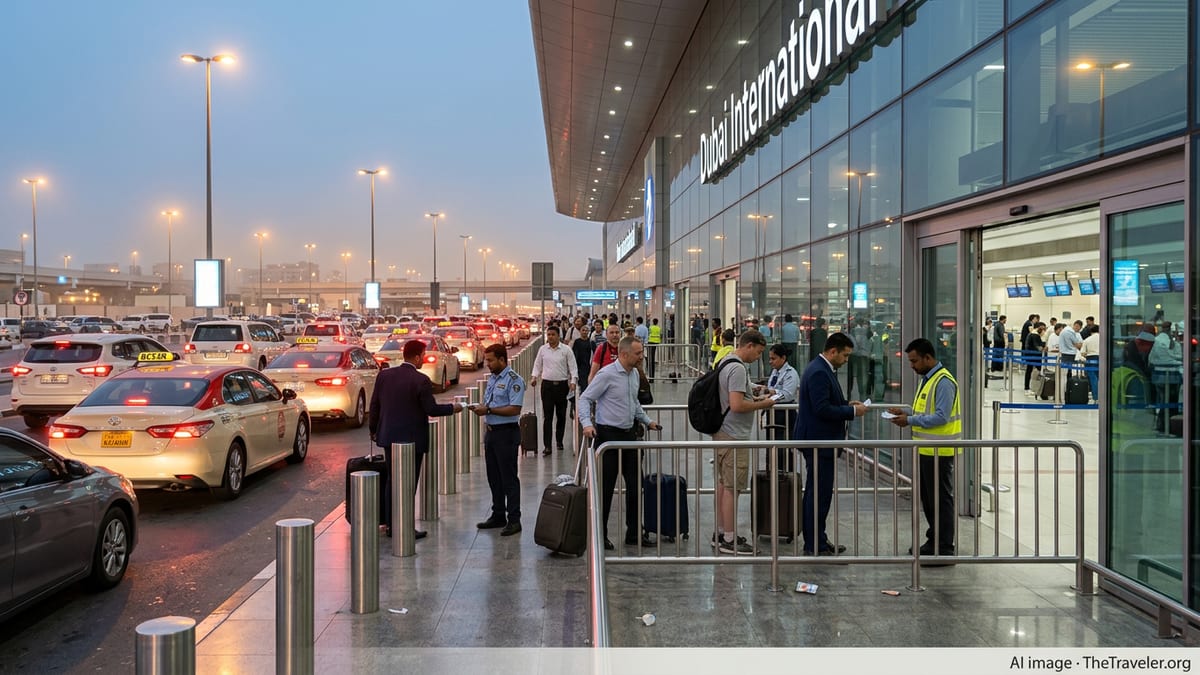
Phased Reopening After Missile Strikes and Airspace Shutdown
Authorities in the United Arab Emirates have confirmed that both DXB and DWC are now in a phased reopening phase, with a limited schedule of passenger flights operating under enhanced security and airspace controls. The move follows a series of Iranian missile and drone strikes across the UAE beginning February 28 that forced Dubai to halt most commercial services and reroute or ground hundreds of aircraft.
Partial operations first resumed in early March, with Dubai Airports and major carriers such as Emirates and flydubai gradually adding back flights as regional airspace corridors were declared safe for restricted use. As of March 10, the network remains far from normal, but the volume of departures and arrivals through Dubai has noticeably increased compared with the near-shutdown seen in the first days of the crisis.
Officials stress that the priority remains safety and controlled crowd management, not a rapid return to pre-crisis traffic levels. The current focus is on clearing stranded passengers, operating key long-haul connections, and maintaining lifeline routes for regional travelers while closely monitoring the evolving security situation.
What Flight Schedules Really Look Like Today
Despite the headline that Dubai’s airports have reopened, travelers should not expect anything close to a full timetable on March 10. Airlines are running trimmed-down schedules, concentrating on high-demand trunk routes and repatriation flights rather than the usual global network that makes DXB a 24-hour mega-hub. Some long-haul destinations have resumed in both directions, while others are still only operating outbound or remain suspended entirely.
Emirates, the largest carrier at DXB, is steadily rebuilding capacity but continues to caution customers that operations are “reduced” and highly subject to change. Regional and low-cost operators including flydubai and Air Arabia are also flying again on select routes, often with unconventional timings and last-minute equipment changes as airlines work around airspace closures and congestion in alternative corridors.
For travelers, that means confirmed bookings today are more like conditional reservations. Flight times may shift, routings may be altered, and some services could be canceled at short notice if security conditions deteriorate or airspace restrictions tighten again. A ticket for March 10 or the days that follow is no guarantee of departure without real-time reconfirmation from the airline.
Strict Airport Entry Rules and Security Procedures
One of the most visible changes for passengers at DXB and DWC is who can even get inside the terminal. Access remains tightly controlled, with authorities enforcing a policy that only travelers holding a confirmed, operating flight within a defined departure window are being allowed to enter. Friends and family seeing passengers off are being turned away, and walk-in ticket shopping at the airport is essentially impossible.
Security screening has been intensified throughout the journey. Expect more thorough document checks at terminal entrances, additional layers of baggage screening, and visibly heightened patrols in public areas and airside zones. Travelers report longer but orderly queues at certain checkpoints, even as overall passenger volumes run at a fraction of normal levels. Those extra steps can add time, but for now they are a non-negotiable part of flying out of or into Dubai.
Inside the terminals, some facilities, shops, and lounges remain closed or on reduced hours, particularly in less-busy concourses. Core services such as check-in counters, immigration, and essential food and beverage outlets are operating, but the usual shopping-mall atmosphere of DXB is noticeably subdued. Travelers should arrive prepared with essentials and not rely on a full range of services being available.
Essential Advice Before You Head to DXB or DWC
For anyone planning to travel through Dubai today, the single most important rule is simple: do not go to the airport without active confirmation that your flight is operating. Airlines and Dubai Airports have repeatedly urged passengers to check their flight status through official channels shortly before departure, as schedules continue to shift hour by hour while carriers reconfigure their networks.
Passengers whose flights were canceled in the last two weeks are being prioritized for rebooking, often on the first available services as seats become free. Some carriers have introduced temporary waivers allowing date or destination changes without penalties for travel originally scheduled between late February and the end of March, but availability is tight on many routes. Travelers who have not yet heard from their airline should proactively reach out rather than waiting for automatic notifications.
Experts also advise building in additional buffer time for connections, even if both sectors are showing as confirmed. With rerouted flight paths, security checks, and occasional ground delays, transfer times through DXB in particular may be longer than listed on the itinerary. In some cases, airlines are no longer accepting new bookings for tight connections through Dubai until operations stabilize.
What This Means for Tourists and Transit Passengers
Tourists currently in Dubai and those planning near-term trips face a mixed picture. On one hand, the partial reopening means many visitors are finally able to depart after days of uncertainty, and new arrivals are trickling back in on select flights. On the other, the overall capacity squeeze and ongoing geopolitical tensions mean that travel plans remain fragile, and last-minute disruptions are still possible.
For transit passengers, Dubai is once again functioning as a hub, but on a far smaller scale than usual. Some long-haul journeys via DXB are feasible, especially to and from major cities in Europe, Asia, and Oceania, yet travelers should be prepared for unorthodox routings and potential overnight stops if onward connections fail to materialize. Flexible accommodation and insurance arrangements are more valuable than ever during this period of instability.
In the days ahead, authorities and airlines in the UAE are expected to keep gradually restoring capacity if the security situation allows. For now, March 10 marks an important but tentative milestone in Dubai’s attempt to reclaim its role as a global aviation crossroads while navigating one of the most serious regional crises the Gulf’s air travel system has faced in years.