

Duluth, Minnesota sits high on a rocky hillside above Lake Superior, where ore boats glide beneath an iconic lift bridge and forested trails drop steeply to a working harbor. For first time visitors, this Great Lakes port can feel both outdoorsy and urban, with weather that changes fast and neighborhoods spread along the hill. A bit of advance planning goes a long way. From choosing the right season to understanding parking, lake effect weather, and how to get between Canal Park and Skyline Parkway, these practical travel tips will help you arrive prepared and enjoy your first Duluth visit to the fullest.
Understanding Duluth’s Seasons and Lake Superior Weather
Duluth has a classic northern climate shaped by the world’s largest freshwater lake, and first time visitors are often surprised by how quickly conditions can shift. Winters are long, snowy, and cold, with average seasonal snowfall around eight feet and daytime highs frequently stuck below freezing. Lake Superior moderates the very worst of the cold compared with inland Minnesota, but you should still expect biting wind chills along the waterfront and packed snow and ice on hills well into March and often April.
Spring along the lake tends to arrive late and can be chilly, foggy, and damp even when inland parts of Minnesota are warming up. Dense fog forms when relatively cold lake water meets warmer air, reducing visibility and adding a raw feel to the shoreline. By contrast, summer days in Duluth are usually comfortably cool to warm rather than hot, thanks to Lake Superior’s cold surface temperatures. On a July or August afternoon you might feel warm in the hillside neighborhoods but need a jacket or sweatshirt when you walk out onto the Lakewalk.
Fall can be an ideal time for a first visit if you like crisp temperatures and colorful hillsides. September often brings stable, clear days, while October typically offers peak fall color along Skyline Parkway and in nearby state parks, followed by a quick transition to early snow. Whenever you visit, remember that “up the hill” neighborhoods and Skyline Parkway can be a few degrees cooler and breezier than low-lying Canal Park. Packing layers and windproof outerwear will keep you comfortable as you move around town.
Because of Duluth’s steep streets and lake effect snow, winter driving requires extra caution. Hills can turn slick and some scenic routes are seasonally closed. Portions of Skyline Parkway, the city’s main scenic drive, now remain closed from early December through mid May, reflecting the reality that snow and ice linger on the ridge longer than visitors might expect. If you arrive during the shoulder seasons around these dates, check current road conditions before planning a drive on the parkway.
Choosing When to Visit and What to Pack
The best time for a first visit to Duluth depends on what you want to do. Summer from late June through August is peak season for ship watching, harbor cruises, kayaking, hiking, and evenings on Canal Park’s restaurant patios. Families often favor this period because school is out, Lake Superior is as warm as it ever gets, and many attractions offer extended hours. Expect higher hotel rates and busier parking lots near the lakefront during festivals and holiday weekends.
Early fall, especially mid September to mid October, suits travelers who want quieter streets, cool days for hiking, and vivid foliage on the hillside. Views from Enger Tower and Skyline Parkway are particularly impressive at this time, with the city, harbor, and forest canopy spread out below. Late fall can be windier and grayer, but also offers dramatic waves and fewer crowds. Winter appeals to visitors who enjoy snowshoeing, fat tire biking, Nordic skiing, or simply watching steam fog and ice build over the lake, but you need appropriate clothing and footwear.
Pack as if you are visiting a coastal city with mountain weather. In all but the warmest weeks, a windproof jacket, mid layer fleece or sweater, hat, and gloves will make walks along the lakefront far more comfortable. Footwear with good traction is important year round because the Lakewalk, rocks, and steep sidewalks can be wet or icy, and you will likely find yourself walking more than you planned. In summer, add quick dry layers and sun protection, since the combination of water, rock, and metal decking around the canal creates lots of reflected light.
Even in July, a light puffer or insulated sweatshirt is wise if you plan a sunset cruise or a long evening on the waterfront. In winter, visitors who underestimate the cold often cut outings short. Plan on insulated, waterproof boots, a down or synthetic parka, thermal base layers, and mittens or gloves rated for subfreezing temperatures. Bringing a small daypack lets you stash extra layers as you move between the hillside and the lake and between indoor venues and outdoor sights.
Getting to Duluth and Getting Around Town
Duluth is straightforward to reach from the Twin Cities by car via Interstate 35, which ends at the harbor. The drive from Minneapolis or Saint Paul typically takes around two and a half hours in normal conditions, but winter weather can add significant travel time, especially near the city’s steep approaches. Duluth International Airport offers flights from select hubs, which can save time for longer distance travelers, though rental car availability and schedule options may be more limited than at larger airports.
Once you arrive, a car gives you the greatest flexibility for exploring everything from Canal Park and Enger Tower to Brighton Beach and the start of the North Shore Scenic Drive. However, first timers staying mainly in Canal Park and downtown can manage without a car, especially in summer. The local transit agency runs bus routes through core neighborhoods, and in the warm season a seasonal trolley circulates among key visitor areas near the waterfront. Taxis and app based ride services operate in town, though wait times can be longer during peak events or late at night.
Parking is an important consideration for first time visitors. Canal Park and the Lakewalk are Duluth’s busiest areas, and meters, pay stations, and private lots are common near the water. Planning to leave your car at your hotel and explore on foot can reduce parking hassles, particularly on summer weekends and during festivals. If you do drive, allow extra time to circle for a spot and carry a payment method suitable for meters or pay kiosks, which may accept cards or mobile payment but not always cash.
Duluth’s steep hills and frequent freeze thaw cycles make sidewalks and streets uneven in places. When walking, give yourself time and do not hesitate to use handrails where provided, such as on stairways between hillside neighborhoods and the waterfront. In winter and early spring, watch for ice at intersections and on side streets. If you are not comfortable driving steep grades on snow, consider using transit, ride services, or choosing routes that avoid the steepest climbs between the hillside and Canal Park.
Where to Stay: Neighborhoods That Work Well for First Timers
Choosing the right base can make your first visit smoother. For many travelers, Canal Park is the most convenient area. Here you are a short walk from the Aerial Lift Bridge, the Lakewalk, the harbor museum, and numerous restaurants and breweries. You can watch ships pass through the canal, stroll to the visitor center for maps and advice, and easily reach lakefront parks without needing a car. Because of this, Canal Park lodging tends to be among the most expensive in town, particularly in summer and during major events or holidays.
Downtown Duluth, located just uphill from Canal Park, offers a mix of historic and modern hotels with easy access to shops, theaters, and restaurants. From many downtown properties you can walk down to the lakefront via skywalks or sidewalks, though the uphill walk back can be a workout. Downtown can be a good value choice for visitors who want urban amenities and are comfortable doing some daily walking or using local transit to reach the waterfront, Enger Tower, or the convention center area.
If you prefer a neighborhood feel, consider staying in district style areas such as the Lincoln Park Craft District, which has become known for breweries, creative shops, and a growing restaurant scene. Here you will be a short drive or bus ride from Canal Park while enjoying a more local atmosphere. For a more residential setting and easy access to the North Shore Scenic Drive, accommodations along London Road and in eastern Duluth put you closer to Brighton Beach, the historic lakeside mansion tours, and the start of the scenic highway along Lake Superior.
Wherever you stay, check how parking is handled and whether there are additional charges, especially in Canal Park and downtown. If you are visiting in winter, confirm how snow and ice are managed around the property and whether there are covered or ramp parking options to reduce scraping windshields in subzero mornings. For summer and fall trips, booking early is wise, particularly for weekends aligned with large events, races, or university activities.
Must See Sights and Experiences for First Time Visitors
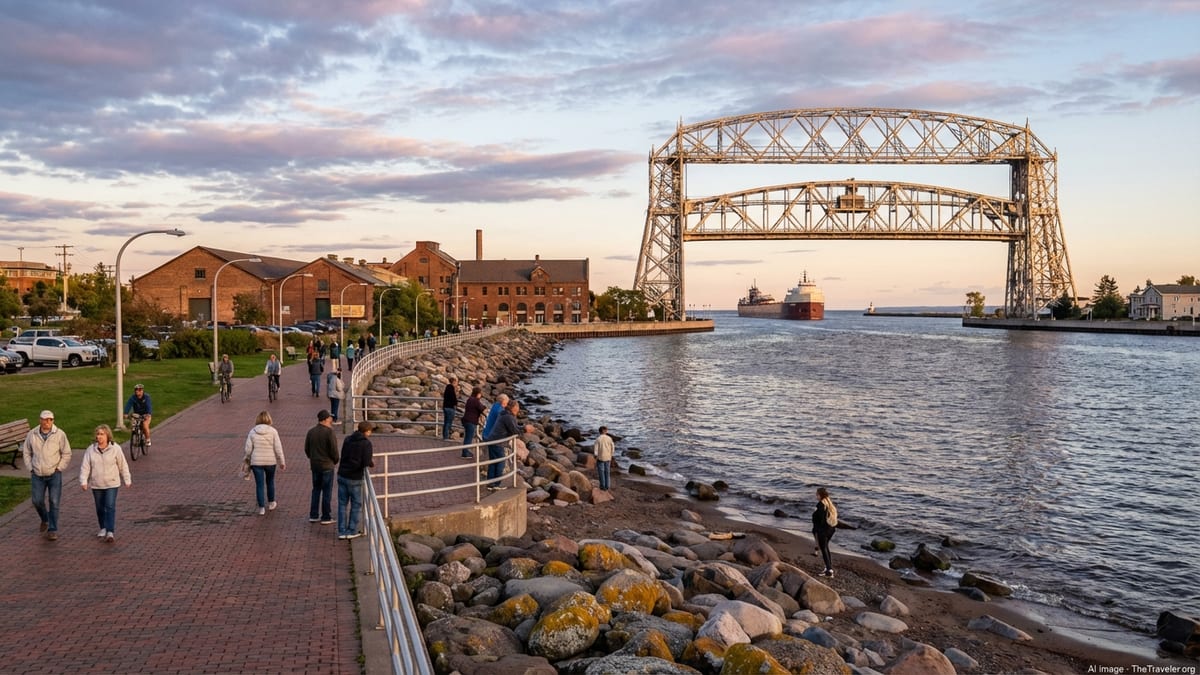
While Duluth rewards slow exploration and return visits, there are a few classic experiences that make an ideal first trip checklist. Watching the Aerial Lift Bridge raise for a lake freighter or saltie is near the top of most lists. The bridge spans the ship canal between Canal Park and Park Point and is one of the city’s defining landmarks. When a ship approaches, horns sound, traffic stops, and the span lifts to allow the vessel through. Viewing platforms and the nearby maritime museum provide context about Great Lakes shipping, making this both photogenic and educational.
Walking or biking along the Lakewalk offers a close connection to Lake Superior in every season. The path runs from Canal Park northeast along the rocky shoreline, passing beaches, public art, and viewpoints. On calm days you might see paddleboarders or kayakers near shore, while windy days can bring dramatic surf and spray. First time visitors are often struck by the scale of the lake, which feels more like an inland sea than a typical inland lake, especially when freighters appear on the horizon.
For a hilltop perspective, head to Enger Park and its stone observation tower. From the top, you can look out over Duluth’s grid of streets, the sweeping harbor, and St. Louis River estuary, as well as Park Point’s long sand spit reaching into Lake Superior. The park’s gardens, trails, and ceremonial features make it a pleasant place to linger, particularly in summer and fall. Nearby, Skyline Parkway threads along the ridge, with pullouts that provide wide angle views and access to trailheads. Since sections of the parkway close seasonally due to snow and ice and now reopen later in spring, it is wise to verify access before planning a long scenic drive.
Families and first time visitors with extra time often add a harbor cruise, scenic train ride, or a tour of the city’s historic lakefront mansion. These attractions offer relaxed ways to learn about the region’s industrial past, geology, and early 20th century architecture while remaining accessible in a variety of weather conditions. In winter, signature seasonal events turn the waterfront into a festive landscape of lights and displays, drawing visitors from across the region.
Outdoor Activities, Safety, and Respecting the Lake
Duluth’s identity is closely tied to outdoor recreation, and even a short visit can include time outside if you plan for conditions. In summer and early fall, easy access hikes near town traverse rocky outcrops, forests, and waterfalls that tumble toward Lake Superior. Portions of a long distance trail pass through Duluth’s hillside, connecting parks and overlooks. Closer to the lake, shorter walks lead to cobble beaches and out onto breakwaters with lighthouse views. Many trails are shared between hikers, runners, and cyclists, so being aware of others and staying to the right helps everyone enjoy the space.
Lake Superior itself commands respect. The water is cold year round, even during peak summer. Sudden wind shifts can generate steep waves and powerful currents along breakwalls and points. When waves are large, it is safest to admire them from a distance rather than venturing onto wet rocks or the outer portions of piers. Warning signs are posted in many popular areas for a reason. If you plan to paddle or kayak, consider going with an experienced local outfitter who can provide appropriate gear, flotation devices, and guidance based on the day’s conditions.
Winter outdoor activities require extra preparation. Trails can be icy or snow packed, and daylight hours are short. If you want to snowshoe, fat bike, or ski, check local park information to confirm which routes are groomed or designated for specific uses and be sure to bring traction devices or appropriate equipment. Dressing in non cotton layers and carrying a dry backup layer in a daypack can make the difference between a memorable outing and a miserable one. It is also wise to let someone know your plans if you are heading to less traveled trailheads.
Year round, practicing Leave No Trace principles keeps Duluth’s parks and shoreline in good condition. Stay on established trails where possible to protect fragile vegetation and avoid erosion on the steep hillside. Pack out trash, respect closures, and be mindful that wildlife, including deer and smaller mammals, often move through urban parks and neighborhoods. The more visitors treat the city’s green spaces like the shared resource they are, the better they will remain for future trips.
Food, Drink, and Local Culture
Food and drink in Duluth reflect its working port heritage and its more recent reputation as a craft beer and creative dining city. In waterfront neighborhoods like Canal Park and Bayfront, you will find pubs, fish forward menus, and casual eateries that cater to visitors fresh off the Lakewalk. Many highlight regional fish preparations, comfort food suited to cold weather, and views of the harbor or canal. Reserving ahead can be smart for dinner in summer, especially on weekends or when large ships are due, since people often time meals around bridge lifts and ship arrivals.
Head into Lincoln Park or other hillside districts and you will encounter a growing roster of breweries, distilleries, and cafes in renovated industrial spaces. This is a good area to sample locally made beer and cider, browse artisan shops, and see a side of Duluth where visitors and residents mingle more evenly. Many establishments here and downtown host live music, trivia nights, and events tied to the city’s arts and music calendar. Checking event listings when you arrive can help you find everything from small gallery openings to full week music festivals that showcase local bands.
Coffee and bakery culture is strong in Duluth, which is helpful given the cool climate. Independent cafes downtown and along the hillside serve as cozy waypoints between walks and sightseeing. On especially cold days, it is easy to plan a route that alternates between outdoor viewpoints and indoor stops for warming up. If you have dietary preferences or restrictions, you will find more options in the core neighborhoods than in outlying areas, so planning meals around Canal Park, downtown, and Lincoln Park can be helpful.
Duluth’s culture includes a mix of university energy, industrial history, and a long tradition of outdoor arts events. Seasonal festivals bring concerts and community gatherings to the waterfront parks, while theaters and performance spaces downtown host plays, concerts, and touring shows. If you are visiting during colder months, these indoor cultural offerings can become the centerpiece of your evenings after brisk daytime explorations along the lake.
Practical Tips for a Smooth First Visit
A few simple habits will help your first trip to Duluth feel relaxed rather than rushed. Start at the visitor center in Canal Park if possible, where staff can provide maps, event information, suggestions based on current conditions, and insider tips on viewpoints and trails that match your interests. Because Duluth stretches along the hillside and shoreline, distances that look short on a map can take longer to cover by car or on foot, so building in buffer time between activities prevents you from feeling pressed.
Checking the marine and weather forecasts each morning is useful, even for visitors who are not heading out on the water. Wind direction can determine whether Canal Park feels mild or chilly, how foggy the lakefront might be, and whether outdoor decks or patios will be comfortable. If a day begins foggy or drizzly along the lake, consider starting with hillside or inland activities and returning to the waterfront later if conditions improve. In winter, watch for snow advisories and plan your driving and walking routes accordingly.
Budget wise, Duluth can be moderately priced compared with larger coastal cities, but costs add up quickly in peak season. Lodging is usually the largest expense, followed by dining, paid attractions, and transportation. To stretch your budget, mix free activities such as walking the Lakewalk, visiting public parks and overlooks, and watching ships and the bridge with selective paid experiences like a harbor cruise or guided tour. Many museums and attractions offer varying hours by season, so confirming current opening times helps you avoid closed doors.
Finally, expect Duluth to be quieter on some winter weekdays and lively on summer weekends. University schedules, major races, and large events can cause noticeable swings in crowds and availability. If you prefer a calmer experience, consider midweek stays or shoulder season visits in late spring and early fall, while still being prepared for brisk air off the lake. With realistic expectations about weather, hills, and distances, you will be able to relax into the city’s mix of rugged shoreline and welcoming neighborhoods.
The Takeaway
Your first trip to Duluth is likely to reshape how you think about Great Lakes cities. Here, ore docks and lighthouses share the skyline with forested ridges, and a single day can include harbor watching, hilltop views, craft beer, and trail time under tall pines. Success as a first time visitor comes down to understanding the serious weather, the role of Lake Superior, and the way the city spreads from lake level up to Skyline Parkway.
Plan your visit around the type of experience you want, from warm weather ship watching and paddling to snow dusted park walks and festival light displays. Choose lodging that fits your style and mobility, whether that means staying right in Canal Park, downtown near the skywalks, or in a neighborhood district with a local vibe. Give yourself time to adjust to the hills, learn how the bridge and harbor operate, and embrace the fact that conditions along the lake can change quickly.
Most of all, arrive prepared but curious. Duluth rewards those who glance at the forecast yet still step out to see how the light hits the harbor, how the fog rolls off the water, or how the view shifts from the Lakewalk to a hillside overlook. With these practical tips in mind, your first visit will feel less like a quick stop on the way up the North Shore and more like an introduction to a city worth returning to.
FAQ
Q1. How many days should a first time visitor spend in Duluth?
Most first time visitors are comfortable with two to three full days, which allows time for Canal Park, the Lakewalk, Enger Park, a scenic drive, and at least one museum or cruise.
Q2. Is Duluth walkable for visitors without a car?
Canal Park, downtown, and parts of the waterfront are quite walkable, but the city as a whole is spread out and hilly, so a car or local transit helps you reach hilltop parks and outlying sights.
Q3. When is the best time of year to visit Duluth for good weather?
Late June through early September usually offers the most stable mild weather, while mid September to mid October is excellent for cooler temperatures and fall color, though conditions can be variable.
Q4. How cold does it really get in winter along the lake?
Winter temperatures frequently stay below freezing, with some nights dipping well below zero. Wind off Lake Superior can make it feel significantly colder, so serious cold weather clothing is essential.
Q5. Do I need special gear to hike in Duluth?
In summer and fall, sturdy shoes with good traction are usually enough for popular trails. In winter and early spring, traction devices or boots with aggressive soles are highly recommended because of ice and packed snow.
Q6. Is it safe to swim in Lake Superior in Duluth?
Many people wade or briefly swim in summer, but the water remains very cold and conditions can change quickly. It is safer to stay close to shore, pay attention to posted warnings, and avoid entering the water during strong waves or storms.
Q7. Where should first time visitors stay to be close to main attractions?
Canal Park is the most convenient for immediate access to the lakefront, Aerial Lift Bridge, and Lakewalk. Downtown is a strong alternative within walking distance or a short ride of the same sights.
Q8. How difficult is winter driving in Duluth for someone not used to snow?
Winter driving can be challenging because of steep hills, ice, and drifting snow. If you are not confident on snow, consider visiting outside midwinter or relying more on taxis, ride services, or transit when conditions are poor.
Q9. Are there free things to do in Duluth for travelers on a budget?
Yes. Walking the Lakewalk, exploring parks and overlooks, watching ships and the Aerial Lift Bridge, and visiting some public spaces and viewpoints are all free and provide a strong feel for the city.
Q10. Do I need to reserve tours and attractions in advance?
In peak summer and on busy fall weekends, it is wise to reserve harbor cruises, scenic train rides, and popular tours in advance. In shoulder seasons and winter, same day or walk up availability is more common but still worth confirming.