

More news on this day
Millions of holidaymakers heading out for the Easter 2026 break face a volatile mix of strikes, storm damage and wider geopolitical disruption that is raising the risk of major delays across air, rail, road and sea networks in Europe and beyond.
Get the latest news straight to your inbox!
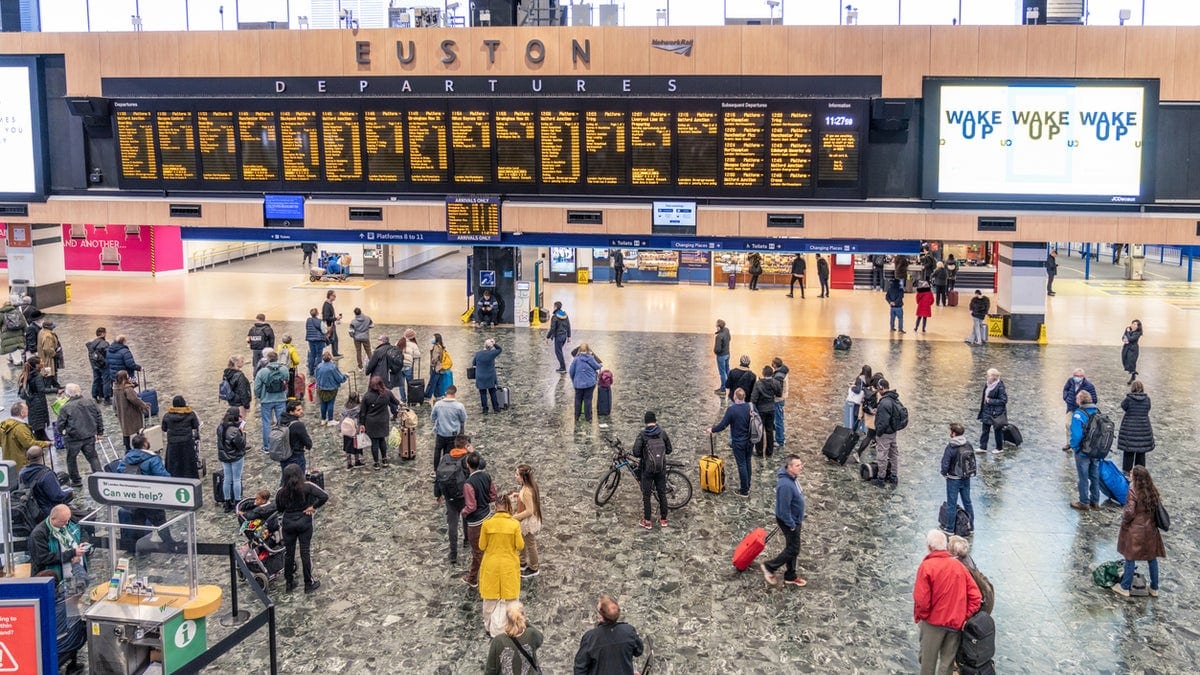
Image by The Independent News & Advice
Airports Under Pressure From Strikes and Global Turmoil
Air travel is emerging as the most fragile link in the Easter getaway, with a series of industrial disputes and ongoing fallout from the Middle East conflict combining to squeeze already stretched aviation networks. Recent coverage highlights walkouts and strike notices affecting airport ground handling, security and air traffic control in popular southern European destinations, including Spain’s major hubs such as Madrid, Barcelona and Palma. These actions are scheduled to overlap with peak Easter departure days, raising the prospect of rolling delays and last minute cancellations for both short haul and long haul passengers.
In Germany, recent industrial action has already demonstrated the potential impact when airport operations pause even for a short period. Reports on a one day shutdown at Berlin’s main airport in mid March, which led to the cancellation of hundreds of flights, have been cited by travel analysts as a warning sign for what similar stoppages could mean should they coincide with Easter peaks at other hubs. Forecast data also indicate that European airports are handling passenger volumes above pre pandemic levels on key holiday dates, leaving limited slack in the system when disruption occurs.
Beyond labour disputes, global route networks remain unsettled by the wider security crisis centered on Iran and the Gulf region. Publicly available information shows that airspace closures and reduced operations at Middle Eastern hubs earlier in March forced large scale rerouting between Europe and Asia, with knock on delays felt at gateways including London, Paris and Frankfurt. While some services have resumed, aviation commentators note that any renewed escalation could once again ripple through Easter schedules, complicating connections for travellers heading to Indian Ocean resorts, Southeast Asia and Australasia.
Industry forecasts for the United States add another layer of uncertainty. Figures shared by US travel and aviation groups ahead of the broader spring break period point to passenger numbers surpassing 2025 levels, even as airlines and airports contend with elevated fuel costs, staffing constraints and severe weather risks. Good Friday and Easter Monday are expected to concentrate a significant share of this traffic, increasing the likelihood that any localised storm or system failure could quickly tip into wider disruption.
Rail Networks Grapple With Weather Damage and Capacity Squeeze
Rail operators across Europe enter the Easter period facing a backlog of repairs after a turbulent winter of storms and infrastructure incidents. In the UK and Ireland, recent windstorms and flooding have left some lines operating with temporary speed restrictions, diversions or reduced frequencies. Published rail service updates indicate that key intercity corridors may have fewer available seats than usual, particularly where engineering work has been rescheduled to avoid outright shutdowns over the holiday weekend.
In parts of continental Europe, the after effects of earlier rail infrastructure attacks and security incidents remain a concern. The February sabotage of Italy’s national rail system, which disrupted long distance and regional services on a major event weekend, has been repeatedly cited in European risk assessments as an example of how quickly rail reliability can collapse when critical junctions or signalling hubs are targeted. Although extensive repairs have since been carried out, transport analysts warn that the system has little margin if further technical or security events occur close to Easter.
On the demand side, rail is likely to absorb some travellers who decide to avoid airports affected by strikes or security bottlenecks. Early booking patterns on popular cross border and domestic routes in countries such as France, Germany and the UK already suggest higher than usual occupancy for Easter week, particularly on family friendly mid morning departures. Consumer groups caution that this may translate into crowded platforms, standing room only segments and limited options for rebooking if services are cancelled at short notice.
In Britain, online discussion among passengers planning Easter trips on intercity lines signals nervousness about crowding and potential disruption, even in the absence of formal strike notices. Travellers weighing rail against car journeys are highlighting experiences from previous disruption episodes, where missed connections and queuing to board fully booked trains turned relatively short journeys into multi hour ordeals.
Road Traffic Jams Expected as Drivers Seek Alternatives
Road networks across Europe and North America are forecast to carry the bulk of Easter holiday journeys, and planners are already warning of heavy congestion on traditional getaway days. Traffic modelling from national motoring organisations in recent years consistently shows sharp spikes on the Thursday before Good Friday, Good Friday itself and Easter Monday, particularly around major metropolitan areas and coastal resort corridors. With many families opting to drive to avoid potential airport and rail disruption, those peaks are likely to be accentuated in 2026.
Recent severe weather events have added to pressure on highway infrastructure. In the United States, a major March storm system that swept across central and eastern states triggered thousands of flight cancellations but also forced temporary highway closures and led to numerous road accidents. Meteorologists note that the same storm track can remain active into early spring, meaning that late season snow, heavy rain or high winds could still affect long distance driving conditions approaching Easter, especially in the Midwest and Northeast.
In Europe, the latest winter storm season left a legacy of damaged roads, fallen trees and saturated ground in parts of the UK, Ireland and western France. Publicly available local authority briefings describe ongoing repairs to flood prone routes and coastal roads, some of which remain narrowed or controlled by temporary traffic lights. These constraints can intensify congestion when holiday traffic surges, particularly on single carriageway approaches to ferry ports and rural tourist regions.
Transport policy specialists point out that planned construction and long running projects also play a role. Major upgrades on strategic corridors, including new tunnel and bypass schemes around key river crossings, continue to involve overnight closures and lane reductions in the lead up to Easter. While authorities often suspend the most disruptive works over the long weekend itself, residual bottlenecks on approach roads can still slow journeys for drivers heading to airports, ferries and resort areas.
Ferry and Cruise Routes Face Knock On Disruptions
Sea travel is not immune from the pressures affecting other modes. Ferry services linking the UK, Ireland and continental Europe, as well as island routes in the Mediterranean and North Atlantic, are exposed to the same storm systems that have battered road and rail networks over the winter. Reports from the most recent European windstorms mention suspended sailings, port closures and hazardous sea conditions, particularly in the English Channel, Bay of Biscay and Irish Sea. Operators entering the Easter period will be watching forecasts closely, as even a short spell of high winds can force timetable changes and vehicle backlogs at ports.
Ferry terminals also depend on road and rail access, which can magnify disruption when other networks are strained. Traffic snarls on motorways feeding into cross channel ports, for example, can leave passengers queuing for hours to board reserved sailings, while late running trains delivering foot passengers can trigger knock on delays to departure times. Port authorities in recent years have had to activate overflow parking and emergency traffic management measures during peak holiday weekends, and similar contingency planning is under way for Easter 2026.
The cruise sector faces a somewhat different challenge. Itinerary planners must navigate both residual weather issues in the North Atlantic and Mediterranean and the complex rerouting required by airspace closures and regional conflicts. Coverage of the Iran related airspace disruption notes that some long haul cruise passengers connecting via Gulf hubs experienced extended delays or were forced to join voyages at alternative ports. With Easter departures traditionally popular for repositioning cruises between winter and summer homeports, any renewed instability on key flight corridors could again ripple into last minute itinerary changes.
Industry commentary suggests that ferry and cruise bookings for Easter remain resilient despite these risks, reflecting strong pent up demand for international travel. However, operators are increasingly encouraging passengers to allow more time for port check in, to monitor weather and traffic updates, and to ensure that connecting flights or trains are flexible enough to absorb delays.
Travellers Urged To Build In Flexibility And Contingency Time
Across all modes, a common theme emerging from recent transport forecasts is the importance of flexibility and contingency planning for the 2026 Easter break. Airlines, rail companies and ferry operators are publicly advising customers to use mobile apps and digital channels to track real time updates, while consumer organisations stress the value of booking earlier departures or avoiding peak hours where possible.
Travel insurers and passenger rights advocates underline that the current environment combines several risk factors at once, including industrial disputes, volatile weather and geopolitical tensions. This mix can make it harder to predict where and when the worst disruption will occur. As a result, guidance for Easter travellers increasingly emphasises practical steps such as allowing extra time for security and border checks, having alternative routes in mind, and ensuring that accommodation and transfer bookings can be changed without prohibitive fees.
While not every forecast disruption will materialise, and some regions may enjoy relatively smooth holiday operations, the weight of recent evidence points to an Easter period in which transport systems have little room for error. For millions planning long awaited getaways, the message from analysts is clear: expect busy terminals, crowded trains and congested roads, and plan trips in a way that can absorb delays if the predicted Easter travel chaos becomes a reality.