

More news on this day
Holidaymakers heading across Europe for the Easter 2026 break face a challenging getaway, as a combination of air, rail and ferry disruption in the UK, Spain and Ireland threatens to derail carefully planned trips during one of the busiest travel weekends of the year.
Get the latest news straight to your inbox!
UK Getaway Strained by Rail Works, Flight Delays and Busy Roads
In the United Kingdom, the traditional Easter escape is being shaped by a mix of preplanned engineering work, chronic airport congestion and an anticipated surge in traffic on key road corridors. Travel industry analyses indicate that more than 12 million Britons are expected to travel over the long weekend, creating intense pressure on already stretched networks.
On the railways, long announced engineering projects are concentrating disruption into the holiday period, with some intercity routes seeing reduced frequencies, diversions and bus replacement services. Avanti West Coast has highlighted six days of heavily curtailed services around Easter, as work on critical infrastructure along the West Coast Main Line limits capacity and redirects passengers to slower or indirect routes. National rail summaries show that similar interventions are scheduled on sections serving the Midlands, northern England and parts of Wales.
Air travel is also under strain. Data from recent operational days at major European hubs shows thousands of delayed flights and dozens of cancellations across carriers serving London Heathrow, reflecting ongoing staffing and capacity problems at one of the region’s busiest airports. Comparative performance tables compiled in late March rank some London airports among the worst in the UK for Easter-period punctuality, with almost a third of departures recorded as late in previous holiday seasons.
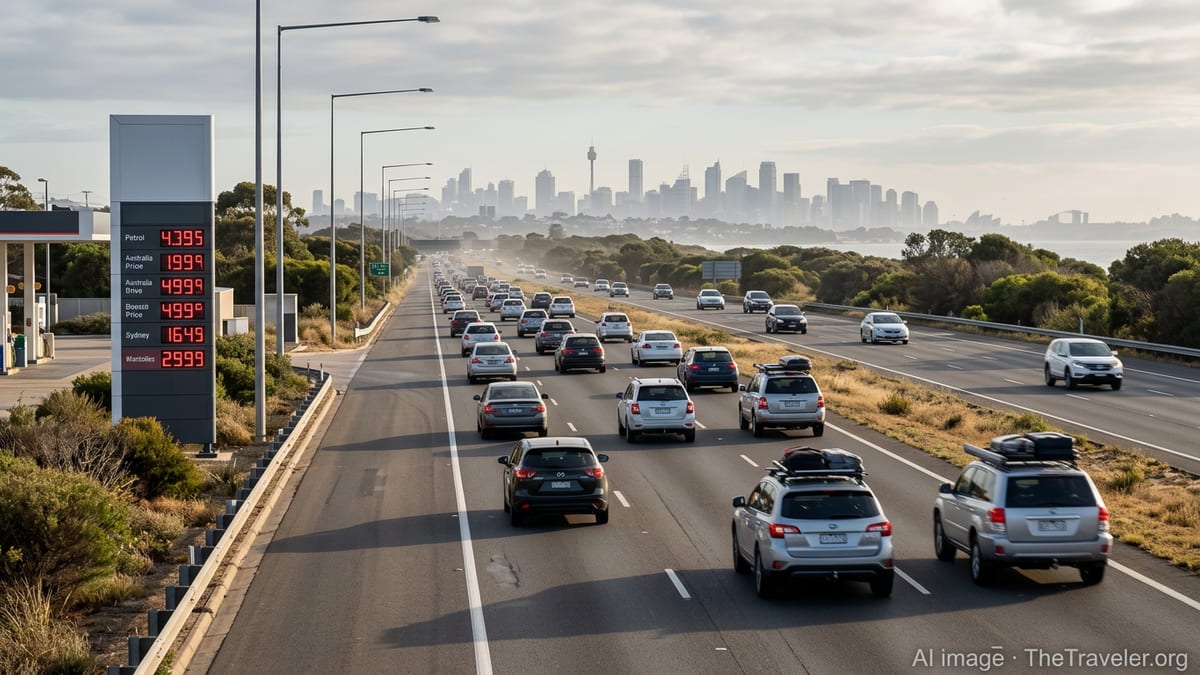
On the roads, UK motoring organisations and traffic monitors are projecting the busiest Easter bank holiday for several years, with tens of millions of journeys expected between Good Friday and Easter Monday. Forecasts point to severe congestion on motorways leading to coastal resorts and national parks, sharpening the risk that delays on rail or air connections will be compounded by heavy traffic for those attempting to switch to last minute alternatives.
Spain Faces Airport Strikes and Knock-On Rail Issues
Spain is emerging as one of the flashpoints of this year’s Easter disruption, with strike action by ground handling staff timed to coincide with the first major getaway days. Publicly available strike notices and media coverage highlight industrial action at Groundforce and other handling companies at a series of key airports, including Madrid Barajas, Barcelona El Prat and several popular coastal and island gateways.
Reports from European travel outlets indicate that action beginning around 30 March is expected to continue through the Semana Santa peak, triggering potential delays at check in, baggage handling and aircraft turnaround. While Spain’s Transport Ministry has set minimum service levels at many airports, with some essential routes required to maintain 80 percent or more of normal operations, industry commentators caution that even limited strikes can cascade into widespread schedule disruption once queues and turnaround backlogs accumulate.
Advisories from consumer rights groups and travel companies explain that, because the disruption stems from airport service providers rather than the airlines themselves, automatic cash compensation under European air passenger rules may not apply in many cases. However, airlines are still expected to offer rebooking options, refunds where flights are cancelled or significantly delayed, and care measures such as meal vouchers and accommodation when passengers are left waiting overnight.
Rail travel within Spain is also feeling the indirect effects of a difficult winter on the network. Earlier in the year, high profile rail accidents prompted safety reviews and strike calls from train driver unions, while landslides and weather related incidents have left some regional and long distance routes subject to closures and diversions. Travellers trying to connect from coastal cities such as Málaga to Madrid during Easter week are encountering sold-out trains on some morning departures and, in certain cases, segments covered by alternative road transport instead of through rail services due to damaged infrastructure on final stretches into major hubs.
Ireland’s Rail Engineering and Airport Crowds Complicate Plans
In Ireland, the overall picture for Easter 2026 is one of strong demand layered on top of targeted rail shutdowns around Dublin. Irish Rail’s published Easter service information sets out a series of engineering works from Good Friday through Easter Monday, including line closures and diversions between Dublin Connolly, Dún Laoghaire and routes serving Wicklow and Wexford. Commuter and DART passengers along the east coast are being directed to revised timetables, with bus substitutions on some stretches.
These changes arrive only weeks after earlier disruption on the DART network caused by overhead line damage near Grand Canal Dock, underlining the fragility of key commuter arteries into the capital. Transport discussion forums and local reports suggest that, while long distance intercity services will continue to operate on most main lines over Easter, journey times and stopping patterns on coastal commuter corridors will be significantly altered, which could affect both daily travellers and visitors staying in counties Wicklow and Wexford.
Airports in Ireland are preparing for heavy footfall. Forecasts for Shannon Airport alone point to more than 130,000 passengers passing through during the Easter period, a high single digit percentage increase on last year. Similar, though less publicised, growth is expected at Dublin and Cork, helped by expanded route offerings from carriers such as Ryanair and Aer Lingus and a wider rebound in outbound holiday demand after a wet and unsettled start to the year.
While no large scale aviation strikes are currently flagged at Irish airports for Easter itself, recent experience with North Atlantic weather systems and European windstorms shows how quickly operational schedules can unravel. Earlier in the winter, severe storms prompted widespread cancellations at several Irish airports and temporary shutdowns of parts of the national rail network, a pattern that leads many travel observers to caution that flexibility and real time monitoring remain essential as the holiday weekend approaches.
Ferry Services and Cross-Border Routes Under Pressure
Sea crossings are not immune to the Easter squeeze, particularly on the busy links connecting Britain and Ireland as well as services between mainland Spain and the Balearic and Canary Islands. Travel industry roundups for Easter 2026 note a combination of high demand, weather related vulnerabilities and operational constraints that have already led some ferry operators to warn of possible timetable changes at short notice.
On the Irish Sea, operators are preparing for strong bookings on routes such as Holyhead to Dublin and Cairnryan to Belfast, with some sailings reported as close to capacity for vehicle space well before the start of the holiday. Any spell of strong winds or rough seas over the long weekend could force alterations, including delayed departures or cancellations, given tighter safety margins on fast craft and older vessels.
In Spain, island bound routes are also closely watched. The same conditions contributing to airport strain for holidaymakers heading to the Canaries and Balearics are likely to spill over to ferry demand, especially for domestic travellers seeking alternatives to potentially delayed flights. Local media coverage points to periods of tidal constraint and port works at certain harbours, which can add complexity to already busy schedules in peak season.
Although no continent wide maritime strike has been announced for the Easter window, consumer groups stress that ferry passengers enjoy similar basic rights to those travelling by air or rail, including rerouting or refunds when a sailing is cancelled or heavily delayed, and access to refreshments and accommodation where serious disruption leaves travellers stranded for extended periods.
What Travellers Should Watch in the Coming Days
Across the UK, Spain and Ireland, the common theme is that Easter 2026 travel is being squeezed by the intersection of structural constraints, planned engineering works and labour disputes, all set against near record demand. For many travellers, the greatest risk may not be a single headline grabbing shutdown, but a series of smaller delays that accumulate across connecting stages of a journey.
Transport analysts recommend particular vigilance for anyone relying on tight connections between flights and onward rail services, especially in Spain where selected high speed lines are operating near capacity and, in some regions, still recovering from weather damage earlier in the year. In the UK, those heading to airports by train should pay close attention to the latest National Rail and operator specific Easter summaries, as late night and early morning services are frequently the first to be replaced or diverted.
In Ireland, passengers using coastal commuter lines south of Dublin are being urged in public information campaigns to review modified Easter timetables and build extra time into connections with long distance trains or airport bus services. With passenger numbers rising quickly at regional airports and hotel availability tightening in major cities, the scope for improvised, last minute recovery options after a missed connection is more limited than in quieter years.
For now, publicly available data and travel agency commentary underline that most services across air, rail and sea are still scheduled to operate. However, the balance of risk at Easter 2026 clearly favours those who keep itineraries flexible, monitor operators’ live updates closely in the days before departure and treat published timetables as subject to change rather than as guarantees.