

More news on this day
A one day strike by Lufthansa cabin crew has thrown Easter travel into disarray, with around 580 flights cancelled at Frankfurt Airport alone and tens of thousands of passengers facing last minute disruptions at Europe’s fourth busiest hub.
Get the latest news straight to your inbox!
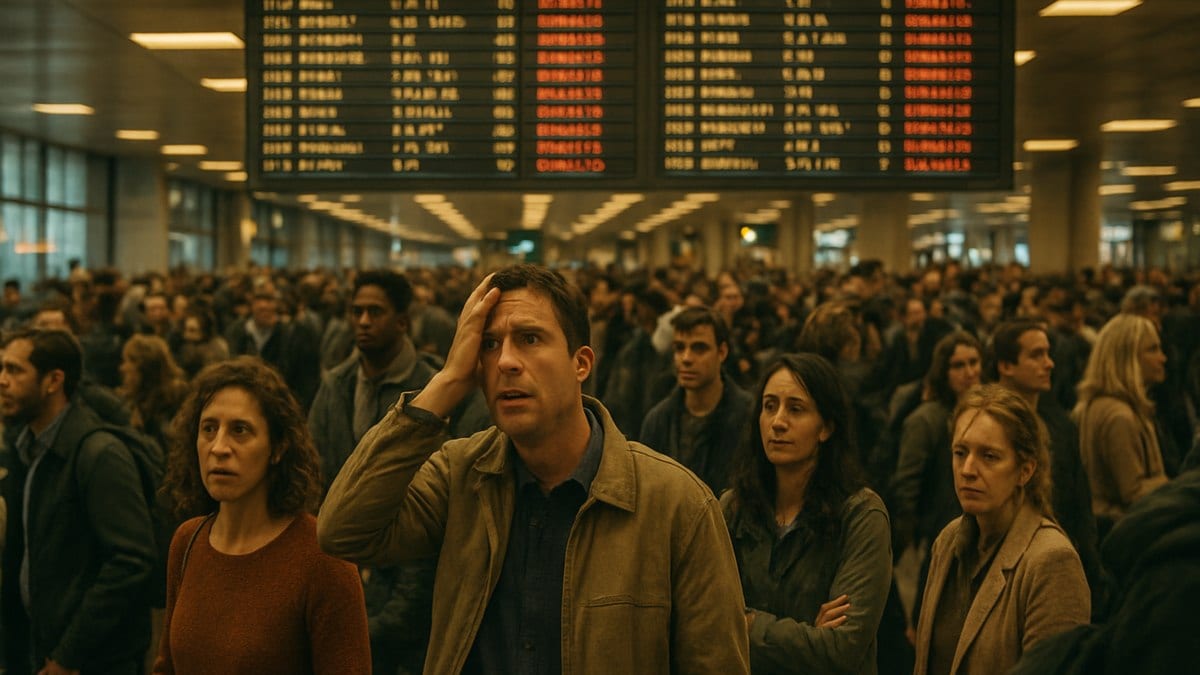
Walkout Hits Frankfurt at Peak Easter Return Rush
The latest wave of industrial action at Germany’s largest airline began just after midnight on Friday 10 April 2026, as members of the Unabhängige Flugbegleiter Organisation (UFO) union walked off the job. Publicly available information indicates that the stoppage was timed to coincide with the busy Easter return period, when many holidaymakers were heading home following Easter Sunday on 5 April and Easter Monday on 6 April.
Reports from aviation data providers and German media describe severe disruption at Frankfurt Airport, Lufthansa’s main hub, where approximately 580 flights were cancelled throughout the day. This represents a large share of the carrier’s planned departures and arrivals, cutting deeply into both domestic and European networks as well as some long haul operations.
Travel industry outlets note that the walkout also affected Lufthansa’s secondary hub in Munich and several regional airports, but Frankfurt bore the brunt of the cancellations. Passengers arriving to connect through the German hub often discovered that onward flights were removed from schedules overnight, forcing many to rebook at short notice or abandon planned itineraries altogether.
Some passengers were transferred onto remaining Lufthansa services, subsidiaries within the wider group or partner airlines, but capacity constraints meant that not all travelers could be accommodated on the same day. Travel forums and passenger rights platforms describe scenes of crowded terminals, long queues at rebooking desks and significant stress for families returning from Easter holidays.
Union Demands and Escalating Labor Tensions
The strike is the latest chapter in a protracted labor dispute between Lufthansa management and cabin crew represented by UFO. According to published coverage, the union is seeking higher pay and improved working conditions, pointing to inflation and staffing pressures that have intensified since air travel rebounded strongly after the pandemic.
Earlier in the spring, UFO signaled that it would avoid a full scale stoppage during the immediate Easter outbound period in the hope of reaching a negotiated settlement. When talks failed to produce an agreement, the union opted for a one day walkout targeting the Easter return wave, a move that significantly increased the impact on the airline’s network and on passengers attempting to get home.
This cabin crew action comes on top of several pilot strikes at Lufthansa in February and March 2026, which also led to large numbers of cancellations at Frankfurt and Munich. Industry analysts describe a pattern of repeated labor conflicts across different staff groups, with unions using short but highly disruptive stoppages to put pressure on management.
Commentary in German and international business media suggests that the frequency of strikes at Lufthansa reflects broader tensions in the European airline sector, where workers are pressing for pay increases after years of wage restraint and restructuring. At the same time, airlines are attempting to protect margins in a competitive market marked by volatile fuel prices and changing travel demand.
Passenger Impact: Cancellations, Rebookings and Refunds
For travelers, the immediate effect of the Frankfurt cancellations was uncertainty over whether flights would operate at all. Passenger accounts shared with travel advocacy groups describe late night notifications, multiple schedule changes and confusion over rebooking options for both point to point and connecting itineraries.
Publicly available guidance from air passenger rights organizations notes that many affected customers may be entitled to rerouting, refunds and potentially monetary compensation under European Union rules, because the disruption stems from a strike by the airline’s own staff rather than external factors such as weather or air traffic control issues. However, the exact entitlements depend on the route, timing of the cancellation and the alternatives offered by the carrier.
Reports indicate that Lufthansa has been encouraging customers to check flight status digitally before traveling to the airport, and to use online tools or mobile apps where possible to request new itineraries. In practice, many passengers still queued at airport service counters in Frankfurt, particularly those with complex long haul connections or separate onward tickets on other airlines.
Consumer advisors are recommending that travelers keep detailed records of expenses such as meals, accommodation and alternative transport incurred as a result of the strike related cancellations. These documents may be important for any later claims for reimbursement or compensation, particularly in cases where travelers were stranded overnight or forced to buy replacement tickets at short notice.
Ripple Effects Across Europe’s Flight Network
The cancellation of 580 flights at a major hub such as Frankfurt has effects well beyond Germany. Aviation analytics compiled over the Easter weekend show knock on disruptions to schedules across Europe as aircraft and crews were left out of position and connections broke down.
Regional airports that depend on Lufthansa feeder flights for long haul links, including cities in neighboring countries, experienced reduced connectivity on the strike day. Travel media reports that some travelers originating in smaller European markets missed onward transatlantic or Asian departures because their initial Lufthansa legs into Frankfurt were among those cut from the schedule.
Low cost and rival network carriers in Europe saw a short term spike in demand as travelers sought alternative options, though available seats were quickly exhausted on many popular routes. Some analysts noted that this dynamic may temporarily benefit competitors, but also highlighted that extended periods of labor unrest can weaken confidence in an entire aviation market, not just a single airline.
With further pilot industrial action already announced for mid April, there is concern among travel planners and corporate buyers that repeated strikes could influence booking behavior for the coming summer season. Travel management companies are closely watching developments at Lufthansa and exploring contingency plans for clients with critical itineraries routed through Frankfurt.
What Travelers Should Watch in the Coming Days
While Lufthansa has been working to restore operations after the one day cabin crew strike, the scale of the disruption at Frankfurt means that some residual delays and aircraft rotations may persist beyond the initial 24 hour period. Operational experts note that recovering from a mass cancellation event can take several days, especially at a hub with complex wave patterns of arrivals and departures.
Travel information services advise passengers with upcoming itineraries on Lufthansa or its regional arm Lufthansa CityLine to monitor booking platforms and flight status tools closely. Even if a flight appears to be operating, schedule adjustments such as aircraft changes or revised departure times remain possible as the carrier attempts to rebalance its network.
Prospective travelers are also being urged to factor in longer processing times at airports, as displaced passengers continue to move through the system. At Frankfurt, passenger volumes are expected to remain high into the early part of the week following the strike, particularly at transfer security checkpoints and customer service counters.
For the Easter holidaymakers caught in the middle of the latest dispute, the 580 cancelled flights at Frankfurt underscore the fragility of tightly timed travel plans when industrial action coincides with peak demand. As negotiations between Lufthansa and its cabin crew union continue, many travelers will be watching closely to see whether the Easter chaos proves to be an isolated event or a sign of more turbulence ahead for one of Europe’s most important airline hubs.