

More news on this day
London Gatwick is experiencing another pressured Easter weekend today, Saturday 4 April, with publicly available flight data showing a steady build-up of delays and a limited but notable number of cancellations across its predominantly leisure-focused schedule.
Get the latest news straight to your inbox!
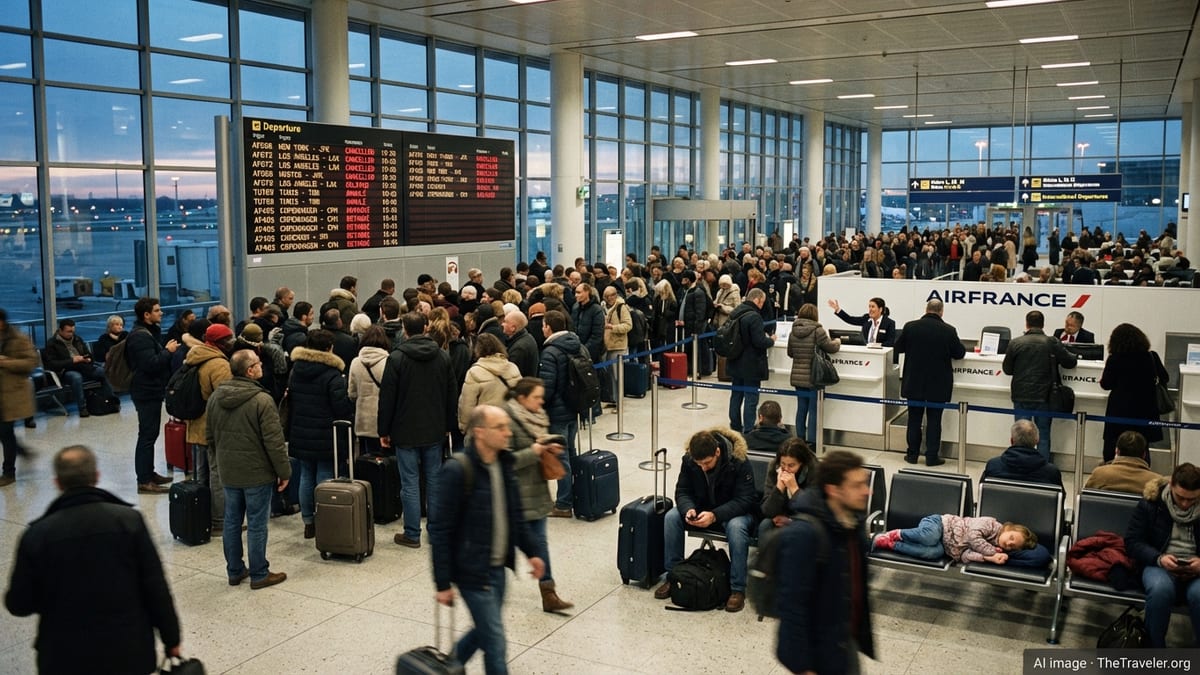
Busy Easter traffic meets a fragile schedule
Gatwick entered the first Saturday of April with elevated passenger volumes typical of the Easter holiday period, building on several weeks of higher-than-usual disruption across major European hubs. Recent operational summaries and consumer-rights tallies for March indicated that Gatwick has been among the UK airports most affected by late-running services, setting the backdrop for today’s performance.
Data collated from live flight-tracking dashboards and airport-status services this morning show clusters of late departures developing from mid-morning onwards, particularly on short-haul routes to Mediterranean leisure destinations and major European cities. While most services remain operating, the proportion of flights leaving behind schedule is higher than on a standard off-peak Saturday.
Reports from travel-analytics platforms covering recent days also highlight that London’s airports have been running close to capacity heading into the Easter holidays, with even relatively minor operational issues creating knock-on effects. Today’s pattern at Gatwick, with rolling delays rather than widespread ground stops, is broadly consistent with that trend.
Published coverage on regional travel conditions suggests the airport is balancing strong outbound demand with the limitations of operating one of the world’s busiest single-runway operations. That context helps explain why modest timetable slippage early in the day can cascade into more visible disruption by the afternoon peak.
Delays concentrated on short-haul leisure routes
This afternoon’s worst punctuality is concentrated among short-haul carriers that dominate Gatwick’s schedule, notably services to Spain, Italy, Portugal and Greece, along with select flights to northern European city-break destinations. Live trackers show a recurring pattern of departures leaving between 30 and 90 minutes later than scheduled, with some rotations accumulating further delay as the day progresses.
The combination of high aircraft utilisation and tight turnaround times leaves little slack when earlier sectors encounter air-traffic restrictions or weather-related routeing changes elsewhere in Europe. Publicly available flight histories for recent weeks underscore how quickly knock-on delays can build across an operator’s network once the first wave of departures runs late.
Despite the disruption, most delayed flights appear to be operating rather than being withdrawn from the schedule. Long-haul services, which are fewer in number at Gatwick compared with Heathrow, are so far showing a more mixed but generally less severe pattern of disruption, with isolated delays but fewer outright cancellations reported by tracking platforms.
Passengers on affected short-haul routes are encountering extended gate waits and late-night arrivals at their holiday destinations, adding pressure to already crowded terminals and baggage halls. Travel advisory sites continue to recommend that customers monitor their flight status closely and allow extra time at the airport in case of compounding delays later in the evening.
Cancellations remain limited but noticeable
While today’s primary story at Gatwick is one of delays rather than mass cancellations, a handful of flights have been removed from the schedule, according to publicly available departure and arrival boards. These cancellations appear scattered across the day, often on routes that have alternative services later in the schedule or on neighbouring days.
Consumer-compensation trackers that monitor European disruption trends had already flagged London Gatwick among airports with above-average cancellation and delay rates during March. However, early evidence from today suggests that the number of fully cancelled flights remains modest relative to the airport’s overall traffic levels.
Where services have been cancelled, booking engines and airline information pages indicate that passengers are being re-routed onto later departures or alternative airports where capacity allows. This can involve longer total journey times and, in some cases, additional surface travel within the UK or at the destination, particularly for those booked on point-to-point low-cost services.
Travel-rights organisations continue to advise passengers affected by cancellations to keep records of any additional expenses and to check eligibility for compensation under UK and European regulations. The combination of holiday demand and constrained seat availability means that some travellers may find rebooking options limited, especially on popular sunshine routes.
Road and rail access adds to passenger stress
Today’s flying conditions are being complicated by surface-transport challenges in the wider Gatwick corridor. Published local news reports earlier this week described a serious collision on the M23 near Gatwick that led to temporary closures and lingering congestion around one of the main road approaches to the airport. Although the incident occurred before today, residual concerns over journey times are prompting some passengers to set out earlier than usual.
Rail connections have also been under scrutiny in recent months, with recurring engineering works and timetable changes affecting Thameslink and Southern routes between central London, East Croydon and Gatwick. While core services are running today, the broader pattern of recent disruption has left many travellers wary of tight connections between train arrivals and flight departures.
Travel forums and community platforms show sustained frustration over the reliability of both road and rail links to Gatwick, especially during peak getaway weekends when small delays can quickly translate into missed check-in or security cut-off times. For today’s Easter Saturday peak, that adds a further layer of uncertainty for passengers already contending with flight delays.
Journey-planning tools and airport advisory pages continue to recommend that travellers build in additional buffer time for surface travel, particularly those relying on interchange stations in south London or on road corridors that have recently experienced serious incidents.
What passengers flying today should expect
For the remainder of Saturday 4 April, operational data suggests that Gatwick is likely to see continued punctuality challenges rather than large-scale shutdowns. The evening wave of leisure departures, which is typically busy at this time of year, may be particularly vulnerable to knock-on delays if aircraft and crews arrive late from earlier rotations.
Passengers departing later today are being urged by airlines, via their digital channels and booking tools, to keep checking their flight status up to the time they leave for the airport. In several recent disruption events across Europe, same-day schedule adjustments have become more common as carriers react to air-traffic restrictions, weather systems and resource constraints.
Travel experts monitoring Easter operations note that today’s disruption at Gatwick fits into a wider pattern of strained aviation capacity across European hubs in early spring, following a strong rebound in leisure demand. For passengers, that translates into a higher likelihood of moderate delays, even where flights still operate broadly as planned.
Those flying through Gatwick today are therefore likely to encounter fuller terminals, extended queues at peak times and a greater risk of late departures than on a typical non-holiday Saturday, even though the overall number of outright cancellations so far remains contained.