

Hudson Bay stretches across northern Canada as a vast inland sea, ringed by tundra, boreal forest, and tiny coastal communities. Its subarctic climate, long freeze, and dramatic seasonal shifts create unforgettable travel experiences, from polar bear encounters near Churchill to beluga whales in summer and luminous winter skies. They also demand careful planning. Understanding the rhythm of ice and open water, storm patterns, extreme cold, and short travel seasons is essential to a safe and successful journey. This guide explains how Hudson Bay’s weather really works, what each season offers, and how to prepare for one of North America’s most challenging and rewarding destinations.
Understanding Hudson Bay’s Climate and Ice Cycle
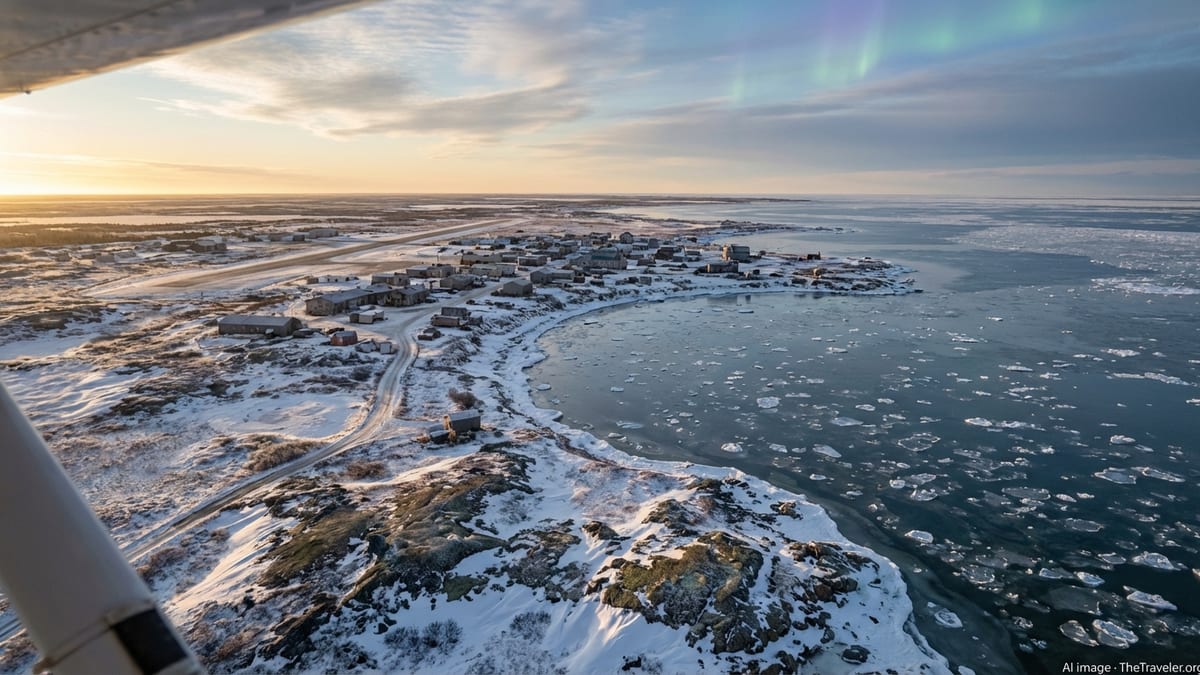
Hudson Bay behaves less like a typical ocean coast and more like a shallow inland sea that freezes hard each winter, then opens up again in summer. Through late fall and winter, most of the Bay is locked under sea ice, with temperatures regularly well below freezing along the coast. As sunlight and relatively warmer air return in late spring, the ice begins to fracture and drift. By midsummer, most of the Bay is open water, only to begin freezing again in October and November. This annual freeze-thaw cycle shapes nearly every aspect of travel, from flight reliability to wildlife behavior.
The Bay is usually fully ice covered by midwinter, and satellite observations show that breakup typically accelerates in May and June, with the Bay mostly ice free by August. Freeze-up commonly begins to take hold again in October and November, first along the shorelines and shallow areas, then marching outward across the open water. Because this cycle is highly sensitive to temperature, winds, and climate change, exact timing varies slightly year to year, but visitors can rely on a broad pattern of icy winters, short shoulder seasons, and a brief, intense summer.
Along the coast, that pattern produces a classic subarctic climate: long, cold winters; short, cool summers; and relatively modest precipitation, much of it falling as snow or cold rain from late summer into autumn. Wind is a major factor, particularly in exposed places such as Churchill, where prevailing northerlies off the Bay can drive wind chills far below the air temperature and whip up blowing snow or waves. For travelers, the key is not just knowing the thermometer reading but understanding how wind, humidity, and exposure will make it feel on the tundra, in a boat, or on a snow-packed trail.
Climate change is altering some of these rhythms, particularly the timing of breakup and freeze-up, which affects sea ice, wildlife, and local communities. For visitors, the most practical implication is that conditions can be more variable than guidebooks suggest. Planning with up-to-date forecasts, preparing for a wider range of temperatures, and building in flexibility on either side of critical activities are increasingly important parts of any Hudson Bay itinerary.
Season by Season: Choosing the Best Time to Visit
The most common entry point for travelers is Churchill, Manitoba, on the western shore of Hudson Bay. Although other communities around the Bay have distinct experiences, Churchill’s calendar offers a useful template for understanding when conditions and wildlife viewing are usually at their best. Rather than four equal seasons, Hudson Bay travel revolves around a handful of intense windows: beluga whale summer, polar bear autumn, and deep-winter aurora, with quieter shoulder periods between.
Mid-June through August is peak open-water season, with beluga whales crowding river estuaries and coastal shallows. Temperatures on land might range from near freezing on raw, windy days to pleasantly mild on sunny afternoons, occasionally climbing into the upper teens or low twenties Celsius. Travelers come for boat and kayak excursions, tundra hikes, birdlife, and long daylight hours, often under a midnight sun glow further north. It is the most approachable season for weather but can still feel surprisingly cold on the water.
From roughly July through November, polar bear sightings are possible along the coast, with encounters becoming more consistent as autumn progresses and bears gather near the shore to await the first forming ice. The core polar bear tourism window generally runs from October into early November, when many visitors ride specialized tundra vehicles or stay at remote lodges along the Bay’s edge. During this period, temperatures drop below freezing, winds strengthen, and early snow transforms the landscape into the classic white Arctic scene that many travelers imagine.
February and March bring a different kind of appeal: long, cold nights ideal for viewing the northern lights, combined with very short days and deep cold that can test even seasoned winter travelers. Between these peak seasons lie November to January and April to early June. These shoulder months often feature unstable weather, limited tour offerings, and fewer scheduled departures. They can be rewarding if you have specific research or community reasons to visit, but for most leisure travelers, building a trip around the established summer, fall, or late-winter windows will provide a smoother experience.
Weather Realities: Temperatures, Wind, and Visibility
For many visitors, the single biggest surprise in Hudson Bay country is how quickly the weather can shift and how intense relatively modest temperatures can feel once wind and exposure are factored in. A calm autumn day near freezing can feel manageable with good clothing, while a windy day at only a few degrees colder can be punishing on exposed decks or open tundra. In November, average daytime air temperatures around Churchill may sit roughly between minus mid-teens and single digits Celsius, but wind chills can push conditions to levels where frostbite is possible in minutes without proper gear.
Summer brings its own mix of challenges. Air temperatures in July and August can occasionally reach into the comfortable teens or low twenties Celsius, especially inland or on still, sunny afternoons. Yet on the Bay itself, the influence of cold water and lingering ice can make conditions feel far cooler. A warm morning on shore can give way to a biting chill once your boat heads into open water, particularly if fog or a stiff breeze off the Bay develops. Travelers often underestimate how quickly they will feel cold while sitting relatively still on a whale-watching vessel or zodiac.
Visibility is another key factor. Coastal Hudson Bay is frequently cloudy, especially in transitional seasons when contrasting air masses meet over the relatively warm or cold water. That can affect both flight reliability and aurora viewing. Even in October, when polar bears are abundant, skies may lean overcast with snow squalls or blowing snow, while February’s aurora-focused trips are timed in part to take advantage of clearer, colder conditions. Travelers should expect a mix of gray days, sudden clear spells, and occasional vivid sunsets or sunrises reflecting off snow and ice.
Storms can briefly disrupt logistics. Strong winds and blowing snow in autumn and winter occasionally delay flights or close gravel roads and local routes. In summer, storms may bring heavy rain, low cloud, or fog that hampers marine operations. Good operators build buffer days into their itineraries, but travelers should also be mentally prepared for delays and carry essential medications, layers, and key items in their carry-on luggage in case checked bags are temporarily separated during weather-related disruptions.
Wildlife Seasons: Polar Bears, Belugas, and Northern Lights
Hudson Bay’s wildlife experiences are tightly tied to seasonal weather patterns, especially the presence or absence of sea ice. Polar bears are perhaps the Bay’s most famous residents. Around Churchill and similar coastal hubs, bear viewing generally begins in summer with occasional sightings from boats along the shoreline. As autumn approaches and sea ice has not yet formed, bears congregate near the coast, conserving energy while they wait for the ice platform that allows them to hunt seals. This pre-freeze gathering from roughly October into early November makes for some of the world’s most reliable polar bear encounters from tundra vehicles or lodge-based walks with experienced guides.
Travelers focused on polar bears should understand that later in the season usually means colder, snowier, and windier conditions alongside higher sighting probabilities. Early October may feature relatively milder weather and fewer crowds, but sightings can be less predictable. By late October and into early November, fresh snow, lower sun angles, and more bears near the coast create a classic polar bear tourism atmosphere, though flights are more susceptible to weather delays and bitter wind chills are common on exposed decks and platforms.
In summer, beluga whales take center stage. From roughly mid-June to mid-August, thousands of belugas migrate into river estuaries and shallow bays along the western shore of Hudson Bay, including the Churchill River. Travelers can experience them from boats, zodiacs, or kayaks, often in relatively calm waters when weather cooperates. On good days, the combination of cool air, bright sun, and glassy water is unforgettable; on rougher days, wind and waves can make outings colder and wetter than expected, underscoring the need for waterproof outer layers even at the height of summer.
The northern lights add another dimension. Communities near Hudson Bay sit under the auroral oval, offering high probabilities of aurora activity on clear nights, particularly between late autumn and early spring. While you may catch glimpses in October and November during polar bear season, dedicated aurora trips are often scheduled in the deeper cold of February and March, when long, dark, clear nights are more frequent. It is important to note that clouds, moonlight, and local light pollution can all affect visibility, and the aurora is often subtler to the naked eye than in long-exposure photographs. Patience, warm clothing, and realistic expectations are key.
Packing and Gear: Dressing for a Subarctic Coast
Success on Hudson Bay is less about enduring hardship and more about smart preparation. Dressing in layers is the single most important strategy, regardless of season. Start with a wicking base layer, such as synthetic or merino wool long underwear that keeps moisture away from your skin. Add an insulating mid-layer, like a fleece or light down jacket, then top it with a windproof and, when needed, waterproof shell. This modular system allows you to adjust quickly as you move between heated vehicles, lodges, and the raw elements of the tundra, river, or Bay.
In late autumn and winter, a dedicated parka, insulated snow pants, and serious winter boots are crucial. Many polar bear and winter tour operators provide or rent heavy parkas and boots rated for deep cold, but you should still bring quality thermal socks, glove liners, thick mittens, and a warm hat that covers your ears. A neck gaiter or balaclava helps protect skin from wind and blowing snow. Hand and toe warmers can provide extra comfort on long days in slow-moving tundra vehicles or while standing on open decks watching the sky for aurora.
Summer visitors often underestimate the cold and damp. Even with air temperatures hovering around 15 to 20 degrees Celsius on shore, wind over near-freezing water can chill you quickly. Pack a waterproof, windproof shell, a warm sweater or fleece, lightweight gloves, and a hat for boat trips. Waterproof hiking boots are recommended for tundra walks and gravel roads, where conditions can range from dusty to muddy in a single day. Don’t forget sunscreen, sunglasses to cut glare from water and snow patches, and insect repellent for buggy stretches of July and August near rivers and wetlands.
Beyond clothing, consider practical gear tailored to your trip. For photography, cold-resistant batteries and a simple system to protect your camera from condensation when moving between warm interiors and cold outdoors are important. A dry bag can keep electronics and spare layers safe on boats. In remote regions, it is wise to carry a small personal kit with basic medications, spare prescription doses, and any specialty items you rely on, since local pharmacies and shops may carry limited stock or none at all.
Planning Logistics: Transport, Accommodation, and Safety
Hudson Bay’s remoteness makes logistics part of the adventure. There are no roads linking Churchill to the rest of the North American highway network, for example. Most travelers arrive by regional flight, with some seasonal rail options. Weather can and does disrupt schedules, particularly in autumn and winter when blowing snow, strong crosswinds, or low visibility occasionally delay flights. Building at least one buffer day at the start or end of your trip, especially if you have critical connections, is prudent.
Accommodation and tour capacity along Hudson Bay is limited, especially in small communities. For marquee experiences such as polar bear viewing in October and early November, or peak beluga season in July and August, it is sensible to plan many months in advance. Popular lodges and tundra-vehicle day tours often fill a year or more ahead of peak dates. If your schedule is less flexible, consider traveling earlier or later in the season, when you may find slightly more availability at the cost of somewhat less predictable wildlife encounters.
On the ground and water, safety is shaped by both environment and wildlife. Polar bears are powerful predators, and local authorities treat them with serious respect. Visitors are strongly advised to stay with guides, avoid walking alone on the tundra or dark outskirts of town, and follow posted instructions about bear movement. In Churchill, for instance, there are clear guidelines on where and when it is safe to walk, and tour operators brief guests thoroughly on bear safety. For water-based trips, experienced captains monitor marine forecasts closely, canceling or modifying outings when conditions become unsafe.
Travel insurance that covers weather-related interruption is worth considering, particularly in seasons when storms or severe cold are more likely. Medical facilities in small northern communities are limited, though basic care is typically available. Travelers with complex medical needs should consult their doctors before the trip and travel with detailed information on medications and conditions, as well as sufficient supplies. In all cases, choosing reputable operators who prioritize safety, maintain clear emergency plans, and work closely with local authorities is one of the most effective ways to mitigate risk.
Local Knowledge and Responsible Travel
Hudson Bay is not just a dramatic landscape; it is also home to Indigenous communities and long-established northern towns that have adapted to the region’s harsh climate and shifting ice for generations. Tapping into local knowledge is invaluable for understanding what the weather is likely to do on a given day, where wildlife can be seen safely and respectfully, and how to move through the environment without causing harm. Guides, Elders, and residents have finely tuned instincts about wind, snow, and ice conditions that are grounded in lived experience as well as modern forecasting.
Responsible travel in this fragile ecosystem begins with humility. Climate change is visibly affecting sea ice, wildlife patterns, and the stability of permafrost. Visitors can minimize their footprint by choosing operators committed to low-impact practices, supporting local businesses, and following all guidelines around wildlife viewing distances, noise, and waste. In polar bear country, that means never feeding or approaching bears, staying inside designated vehicles or guided groups, and accepting that sometimes the ethical choice is to keep your distance or cut an outing short.
Weather and safety messaging from local authorities should be taken seriously. If a guide or community notice warns of high bear activity in a certain area, unstable river ice, or an incoming storm, it is not advice to negotiate with. Plans may change on short notice for reasons that are not obvious to visitors but are very clear to those who live with Hudson Bay’s hazards every day. Building flexibility into your schedule and mindset will help you adapt gracefully to last-minute adjustments.
Finally, arrive informed but open-minded. Pre-trip research on weather averages, clothing systems, and seasonal highlights provides a solid foundation, but once you are on the ground, let local conditions and expertise guide your decisions. The most memorable Hudson Bay experiences often come when travelers lean into the reality of the place: a coastline where ice, wind, wildlife, and human resilience meet in ways that no forecast can fully capture.
The Takeaway
Traveling to Hudson Bay is as much about understanding a powerful natural system as it is about ticking off wildlife sightings or northern lights photos. The Bay’s freeze-thaw cycle, subarctic winds, and short but intense seasons govern everything from when polar bears gather to how reliable your flights will be. By grounding your plans in this seasonal reality, you greatly increase your chances of a safe, rewarding journey.
Choosing the right time to visit means weighing your priorities: mildest conditions and belugas in midsummer, iconic polar bear encounters in the cold, changeable light of autumn, or deep-winter aurora in February and March. In every case, the fundamentals remain the same: layer thoughtfully, respect wind and visibility, build flexibility into your itinerary, and trust local expertise on weather and wildlife safety.
Hudson Bay rewards those who prepare carefully and travel with respect. Come ready for cold, changeable conditions, listen closely to the land and the people who call it home, and you will experience one of the North’s great coastal landscapes at its best, whether that means the quiet swirl of snow over frozen sea ice or the sudden flash of a beluga beneath a sunlit ripple.
FAQ
Q1: When is the best time to visit Hudson Bay for polar bears?
The most reliable polar bear viewing typically occurs from October into early November, when bears congregate along the coast waiting for the sea ice to form.
Q2: What months are best for seeing beluga whales in Hudson Bay?
Beluga whales are most abundant from roughly mid-June to mid-August, when they gather in river estuaries and shallow bays along the western shore.
Q3: How cold does it actually get during polar bear season?
During October and November, daytime air temperatures around Churchill often hover below freezing, and wind chills can make it feel significantly colder, especially on exposed tundra.
Q4: Is summer in Hudson Bay warm enough for comfortable outdoor activities?
Summer temperatures can be mild, sometimes reaching the teens or low twenties Celsius on shore, but wind and cold water often make conditions feel cooler, particularly on boats.
Q5: When is the best time to see the northern lights near Hudson Bay?
The most aurora-focused trips usually run in February and March, when nights are long, skies can be clearer, and geomagnetic activity is frequent, though sightings are always weather dependent.
Q6: How far in advance should I book a Hudson Bay trip?
For peak polar bear or beluga seasons, it is wise to plan at least several months ahead; highly sought-after lodges and tours may fill a year or more in advance.
Q7: What kind of clothing should I pack for an autumn visit?
Pack a wicking base layer, warm mid-layers, an insulated parka, windproof and waterproof outerwear, thermal socks, insulated boots, a warm hat, mittens, and face protection against wind.
Q8: Are flights to Hudson Bay communities often delayed by weather?
Weather-related delays are not uncommon, especially in autumn and winter when strong winds, snow, or low visibility can affect regional flights, so building buffer days into your schedule is sensible.
Q9: Is it safe to walk around towns like Churchill on my own?
Walking within central, well-lit areas during the day is generally fine, but local guidance strongly advises against wandering along the outskirts, coastline, or in the dark because of polar bear risk.
Q10: Do I need special insurance or medical preparations for a Hudson Bay trip?
It is prudent to carry travel insurance that covers weather-related disruptions and to bring any essential medications, since local medical facilities and pharmacies are limited in small northern communities.