

Vatnajökull National Park, home to Europe’s largest glacier and some of Iceland’s most dramatic volcanic landscapes, is a highlight of many trips to the country. It is also a remote, fragile and sometimes unforgiving environment. Preparing properly before you arrive will not only make your visit smoother and safer, it will also help protect this UNESCO-listed landscape for the long term. From seasonal access and driving conditions to guided glacier tours, park rules and practical packing, here are the essential things to know before you go.
Understanding Vatnajökull’s Scale, Regions and Climate
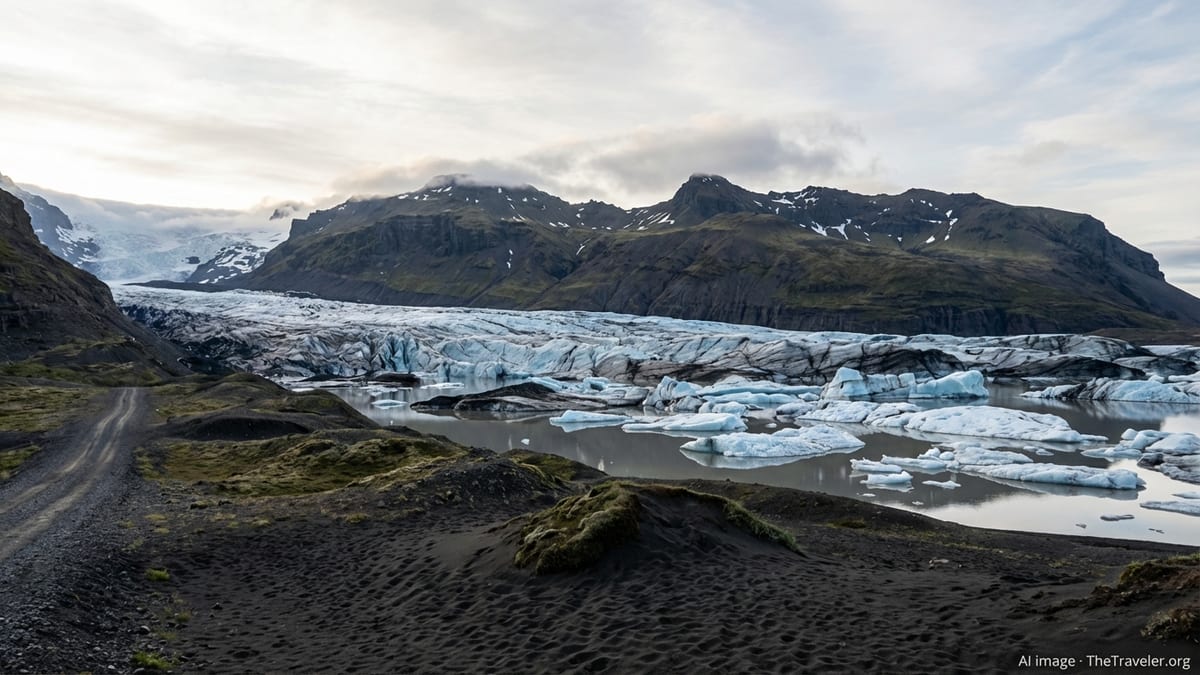
Vatnajökull National Park covers a vast swathe of Iceland, taking in more than 10 percent of the country’s land area and stretching from the southeast coast deep into the central highlands. At its heart lies the Vatnajökull ice cap, a massive glacier that feeds outlet glaciers, glacial lagoons and braided rivers. Around this ice are volcanic systems, black sand plains, canyons and waterfalls, meaning distances between highlights can be long and road journeys slower than many visitors expect.
The park is divided into several main regions, each with its own character. Skaftafell in the south is one of the most accessible areas, with well-marked hiking trails and a year-round visitor centre. Jökulsárgljúfur in the north is known for Dettifoss waterfall and the horseshoe-shaped Ásbyrgi canyon, while the eastern territory offers access to remote highland areas such as Snæfell and Kverkfjöll, generally only reachable in summer with suitable vehicles. Understanding these regions before you travel helps you build a realistic itinerary that matches your time and comfort level.
Weather conditions in and around Vatnajökull are famously changeable. Storms can move in quickly from the Atlantic, and conditions at sea level bear little resemblance to those on the glacier or in the highlands. Even in July and August, temperatures on higher ground can drop close to freezing, with strong winds and heavy rain common. In winter, short daylight hours, snow and ice significantly affect driving and hiking plans, and some areas become completely inaccessible.
Because of this variability, flexibility is essential. Build contingency days into your schedule, avoid overloading a single day with distant sights, and be prepared to change plans at short notice. Checking local forecasts and road conditions frequently is part of responsible travel in Vatnajökull and should be treated as non-negotiable, not an optional extra.
When to Visit and How Seasons Shape Your Experience
The time of year you choose will have a major impact on what you can see and do in Vatnajökull National Park. Late June through August typically offers the most accessible conditions, with long daylight hours, milder temperatures and the widest range of open hiking trails. This is also when most highland roads and remote regions, including parts of the eastern territory, are usually at their most reachable, though exact opening and closing dates vary each year depending on snowmelt and weather.
Spring and autumn can be rewarding for visitors who are comfortable with more unpredictable conditions. In May and September you can often enjoy quieter trails and lower visitor numbers at popular sites such as Skaftafell and the glacial lagoons, but you need to be prepared for lingering snow on higher paths, occasional storm systems and the possibility that some mountain or interior roads will still be closed. Services like ranger-guided walks in several areas generally concentrate in the main summer months, so check what will be available during shoulder seasons.
Winter transforms Vatnajökull into a stark, beautiful but challenging environment. Short days, icy roads and severe weather are common, and many parts of the park, especially in the highlands, are effectively off-limits to independent travellers. On the other hand, winter is usually the main season for organised ice cave tours on the park’s outlet glaciers, which typically run from around October through spring, conditions permitting. These activities are tightly managed for safety and environmental reasons, and openings can shift from year to year.
If you are hoping to see the northern lights above Vatnajökull, any dark month from roughly late September to early April offers a chance, but there are no guarantees even on multi-day trips. Prioritise daytime activities that you will enjoy regardless of aurora activity, and consider locations with reasonable services and accommodation so that you are not driving long distances at night in search of clear skies.
Access, Driving and Getting Around the Park
For most visitors, reaching Vatnajökull involves driving Iceland’s Ring Road, which skirts the southern edge of the ice cap. The stretch between Vík and Höfn is particularly scenic but also exposed, with long distances between fuel stations and services. Even in good weather, driving times can be longer than mapping apps suggest due to strong winds, single-lane bridges and frequent stops to admire the scenery. Plan fuel stops in advance and avoid letting the tank run low in remote sections.
Road types within and around the park vary from smooth paved sections to gravel and rough, highland F-roads. Standard rental cars may be suitable for the main Ring Road and some access roads to visitor centres and popular viewpoints, but they are not appropriate for highland routes or tracks that require higher ground clearance. In Iceland, driving on F-roads without a suitable four-wheel-drive vehicle is not only dangerous, it generally violates rental agreements and can leave you liable for costly recovery operations.
Off-road driving is strictly prohibited throughout Vatnajökull National Park and across Iceland. Leaving established roads and marked tracks damages fragile vegetation and volcanic surfaces, and the tire marks can remain visible for decades. Authorities enforce significant fines for violations, and locals take the issue seriously. If a road becomes impassable due to flooding, deep ruts or other obstacles, the correct response is to turn around rather than improvising a new route across the landscape.
Winter and shoulder seasons introduce additional considerations. Icy surfaces, drifting snow and high winds can make even main roads treacherous, and closures are not uncommon. Before setting out each day, you should check current road conditions and weather reports and adjust your plans accordingly. If you feel uncomfortable with winter driving or highland routes, consider basing yourself in a hub such as Skaftafell or Höfn and joining guided excursions instead of attempting demanding routes on your own.
Safety, Guided Tours and Respecting Natural Hazards
The forces that shape Vatnajökull’s landscapes are still very much active. Glaciers shift, rivers rise without warning, volcanic and geothermal systems continue to evolve, and cliffs and canyons are prone to rockfall. While trails and viewpoints are designed to minimise risk, the natural environment here cannot be made entirely safe. Treat warning signs, barriers and ranger advice as essential guidance, not suggestions, and always keep a respectful distance from cliff edges, riverbanks and unstable slopes.
Glacier hiking and ice cave visits are among the park’s signature experiences, but they should only ever be undertaken with qualified guides using proper equipment. Crevasses, moulins and overhanging seracs can be hidden beneath thin layers of snow or recently deposited ice, making seemingly straightforward terrain extremely dangerous. In recent years, park authorities and the Nature Conservation Agency have tightened rules around glacier and ice cave operations, including limits on group sizes and temporary suspensions of some activities when conditions are judged unsafe.
Even outside glacial terrain, conditions demand preparation. Rivers that look shallow in the morning may become impassable later in the day after rain or rapid snowmelt. Wind gusts strong enough to push pedestrians off balance are not unusual along exposed ridges or open sand plains, particularly in autumn and winter. When in doubt about a river crossing, ridge walk or canyon approach, it is wiser to turn back than to press on into uncertain terrain. Icelandic emergency services are highly professional, but rescue operations in remote parts of Vatnajökull can be complex and time-consuming.
For independent travellers, sharing your plans with someone reliable and checking in regularly is good practice, especially if you intend to hike longer routes or explore quieter areas. Travel apps and local safety information portals provide updates on hazards such as severe storms, avalanche risk, glacial flooding and volcanic activity. Keep a fully charged phone and, where possible, a backup power bank, but remember that reception can be patchy in more remote valleys and highland sectors.
What to Pack for Vatnajökull’s Conditions
Packing for Vatnajökull requires more than a standard city-break checklist. The key is layering and weatherproofing, even in summer. A moisture-wicking base layer, insulating mid-layer and fully waterproof, windproof outer shell will keep you comfortable as conditions shift throughout the day. Quick-drying hiking trousers, rather than jeans, are better suited to wet or muddy trails. Hats, gloves and a buff or neck gaiter are valuable in all seasons, as wind chill can be significant even in milder temperatures.
Footwear is critical. Sturdy, broken-in waterproof hiking boots with good ankle support are recommended if you plan to walk beyond short paved paths. Many popular trails around Skaftafell and other viewpoints involve uneven, rocky surfaces, loose gravel or wet ground. Lightweight trainers may suffice for brief roadside stops but quickly become uncomfortable and unsafe on longer hikes. If you are joining a glacier hike, tour operators typically supply specialised equipment such as crampons, harnesses and helmets, but they will still expect you to arrive with appropriate boots and clothing layers.
Other practical items can make a noticeable difference to your comfort and safety. A daypack with a waterproof cover, refillable water bottle, high-energy snacks and a compact first-aid kit is advisable for even modest walks. Sunglasses and high-factor sunscreen are important on and near the glacier, where sunlight reflects off snow and ice, and exposure can be intense even on overcast days. Insect repellent is useful in some lower, wetter areas during the summer months, particularly near lakes and marshes.
Finally, consider how you will manage navigation and information. Offline maps on your phone or a dedicated GPS device can help when signal drops out, and carrying a paper map for key areas adds a helpful backup. Downloading or saving important information about trail options, opening hours, and emergency contacts before you set off will make you less reliant on mobile data, which can be intermittent in remote locations.
Accommodation, Services and Visitor Centres
Given the size and remoteness of Vatnajökull National Park, accommodation options and services are more limited and widely spaced than in Iceland’s capital region. Along the southern edge, many visitors base themselves in or near Skaftafell, Kirkjubæjarklaustur, or the coastal town of Höfn, where you can find a mix of hotels, guesthouses, farm stays and campsites. In the north, settlements around Ásbyrgi and the Diamond Circle route provide access to Jökulsárgljúfur and Dettifoss, though choices can still be relatively few in number.
Booking ahead is strongly recommended from late spring through early autumn, especially if you are travelling in July or August or planning to stay near especially popular sites such as the glacial lagoons. Many smaller accommodations operate seasonally, and some highland mountain huts are only accessible for a short window each year. Wild camping is restricted, and in many areas, you are expected to stay in designated campsites or lodging facilities to reduce environmental impact.
Visitor centres play a key role in planning safe and enjoyable days in the park. The Skaftafell centre is open year-round, with varying hours, and offers up-to-date information on trail conditions, weather and potential hazards, as well as exhibitions about the region’s history and geology. Other centres, such as those in Ásbyrgi and Snæfellsstofa in the east, typically have seasonal opening periods, focusing their ranger presence and interpretive walks in the main summer months.
Fuel stations, grocery stores and restaurants are clustered in small towns and villages along the Ring Road rather than within the heart of the park itself. On long driving days, especially between Vík and Höfn or when detouring to remote viewpoints, plan food and fuel stops in advance. Carry some basic provisions in the car so that an unexpected road closure or weather delay does not leave you without supplies.
Rules, Conservation and Travelling Responsibly
Vatnajökull National Park is both a major visitor destination and a protected environment of international importance. Its status as a World Heritage Site reflects not only its beauty but also the scientific value of its volcanic and glacial systems. Travelling responsibly here means doing your part to minimise impact on fragile soils, vegetation and wildlife while respecting local communities and safety regulations.
Staying on marked trails is one of the simplest and most effective ways to protect the landscape. Iceland’s thin volcanic soils and mosses are easily damaged by trampling, and footprints can remain visible for years. Avoid cutting across switchbacks on steep paths or creating new shortcuts, even if they appear to save time. In popular areas such as Skaftafell or near glacial lagoons, be conscious of erosion on unofficial paths and follow signage that guides visitors away from sensitive sites.
Drone use is an area where many visitors inadvertently break rules. Recreational drones are not allowed everywhere in Vatnajökull, and even in locations where they are permitted, you must observe specific restrictions to protect wildlife and avoid disturbing other visitors. Fines may be issued for flying without permission in prohibited zones, and rangers have the authority to request that you land a drone if it is deemed disruptive. If capturing aerial footage is important to you, research the latest regulations before you arrive and consider whether a licensed local operator might be a better option.
Waste management is another crucial aspect of low-impact travel. Take all rubbish with you, including food scraps, tissues and small plastic items, and dispose of them in proper bins in towns or designated facilities. Human waste should be managed carefully; use toilets at visitor centres, trailheads and campsites whenever possible. Respect local customs regarding hot springs and natural pools, where specific hygiene rules often apply, and be mindful that water sources near glaciers and in the highlands can be especially sensitive to contamination.
The Takeaway
Visiting Vatnajökull National Park can be one of the most memorable experiences of a trip to Iceland. Towering walls of ice, rumbling waterfalls, black sand plains and sweeping glacial valleys combine to create landscapes that feel both otherworldly and deeply alive. Yet the very forces that make this region so compelling also demand caution, preparation and respect.
By understanding the park’s scale and regions, choosing your season carefully, planning safe access and transport, and packing for rapidly changing conditions, you give yourself the best chance of a rewarding visit. Relying on expert guides for glacier and ice activities, listening to rangers, and following current rules about driving, drones and camping are key parts of travelling responsibly here. Small decisions, from where you walk to how you manage waste, add up to a significant collective impact on this fragile environment.
With realistic expectations, flexible plans and a commitment to safety and conservation, you can experience Vatnajökull’s dynamic landscapes in a way that benefits both you and the park. Take the time to slow down, absorb the scale of the ice and mountains, and appreciate the complexity of the systems that shape them. In doing so, your visit becomes part of a wider story about how travellers and protected places can coexist for generations to come.
FAQ
Q1. Do I need a 4x4 vehicle to visit Vatnajökull National Park?
In summer, many key sights along the Ring Road and around Skaftafell can be reached in a standard car, provided you drive carefully and check conditions. However, highland roads marked as F-roads and some access routes to remote areas require a proper four-wheel-drive vehicle with good ground clearance, and rental companies often prohibit standard cars on these roads. In winter and shoulder seasons, conditions can make even paved roads challenging, so a 4x4 is strongly recommended if you plan to drive independently.
Q2. Is it safe to hike on the glaciers without a guide?
No. Glacier travel in Vatnajökull involves hidden crevasses, unstable ice formations and rapidly changing conditions that are difficult to assess without training and local knowledge. For your safety, you should only hike on the glacier or enter ice caves with qualified guides using appropriate equipment, such as crampons, helmets and ropes. Independent glacier travel is strongly discouraged and can put both you and potential rescuers at serious risk.
Q3. When is the best time of year to visit Vatnajökull?
The most accessible period is generally from late June to August, when daylight is long, temperatures are milder and most hiking trails and highland roads that open seasonally are available. May and September offer fewer crowds but more variable conditions, while winter brings dramatic scenery and the main season for organised ice cave tours. The best time for you depends on whether you prioritise hiking, quieter trails, ice caves or the chance of seeing the northern lights.
Q4. Can I camp anywhere I like in Vatnajökull National Park?
No. Wild camping is restricted, and in many parts of the park you are expected to use designated campsites or official camping areas, especially near popular attractions and sensitive environments. Regulations aim to reduce pressure on fragile vegetation and ensure that waste is managed properly. Always check local rules in advance, follow any instructions from rangers, and leave your camping spot clean and undisturbed.
Q5. How much hiking experience do I need to enjoy the park?
You do not need to be an expert hiker to enjoy Vatnajökull. Many short, well-marked trails near visitor centres and viewpoints are suitable for people with modest fitness and limited hiking experience, provided they wear appropriate footwear and clothing. However, longer routes into glacial valleys, highland plateaus or remote canyons require stronger fitness, better navigation skills and a greater tolerance for changing weather. Choosing trails that match your abilities and checking conditions before you set out is essential.
Q6. Are there food and fuel services inside the park?
Services are limited within the boundaries of Vatnajökull National Park itself. Most fuel stations, grocery stores and restaurants are located in nearby towns and villages along the Ring Road, such as Kirkjubæjarklaustur, Höfn and settlements near Ásbyrgi. On driving days, especially across the long stretch of the south coast, plan refuelling and shopping stops in advance and carry basic snacks and water so that an unexpected delay does not catch you unprepared.
Q7. What should I wear for a summer visit?
Even in summer, conditions can be cool, windy and wet. Aim for a layered clothing system with a moisture-wicking base layer, warm mid-layer such as fleece or light down, and a fully waterproof and windproof outer shell. Pair these with waterproof hiking boots, warm socks, a hat and gloves. Sunglasses and sunscreen are important on bright days, especially near glaciers and snowfields where sunlight reflects intensely. Avoid cotton jeans and non-waterproof trainers, which quickly become uncomfortable in wet conditions.
Q8. Can I fly a drone in Vatnajökull National Park?
Drone use is restricted and varies by location. In some parts of the park, recreational drones are prohibited to protect wildlife and ensure a peaceful experience for other visitors, while in others, conditions or permits may apply. Before flying any drone, you should check the latest rules for the specific area you intend to visit and be prepared for rangers to ask you to land it if it is causing disturbance. Failing to follow regulations can result in fines or confiscation.
Q9. How do I check current conditions before heading out?
Before each day’s activities, you should consult local weather forecasts and official road condition reports, paying particular attention to wind warnings, snow or ice advisories and any notices of closures. Visitor centres and accommodation hosts can often provide additional, area-specific advice. For hiking, check information boards and speak with rangers where possible to learn about trail closures, river levels and recent incidents. Staying informed and flexible is one of the best ways to travel safely in Vatnajökull.
Q10. Is it possible to visit Vatnajökull on a day trip from Reykjavík?
Reaching the main southern areas of Vatnajökull, such as Skaftafell or the glacial lagoons, from Reykjavík in a single day involves many hours of driving each way, even in good conditions. While some tour operators offer very long day trips, most travellers find it more enjoyable and safer to plan at least one overnight stay closer to the park. This approach reduces fatigue, allows time for weather-related delays and gives you a better chance to appreciate the landscapes without rushing.