


More news on this day
The European Union is promising rapid action to ease mounting chaos at airports after the rollout of new biometric border checks triggered hours-long queues, missed flights and growing alarm across the travel industry at the start of the peak summer season.
Get the latest news straight to your inbox!
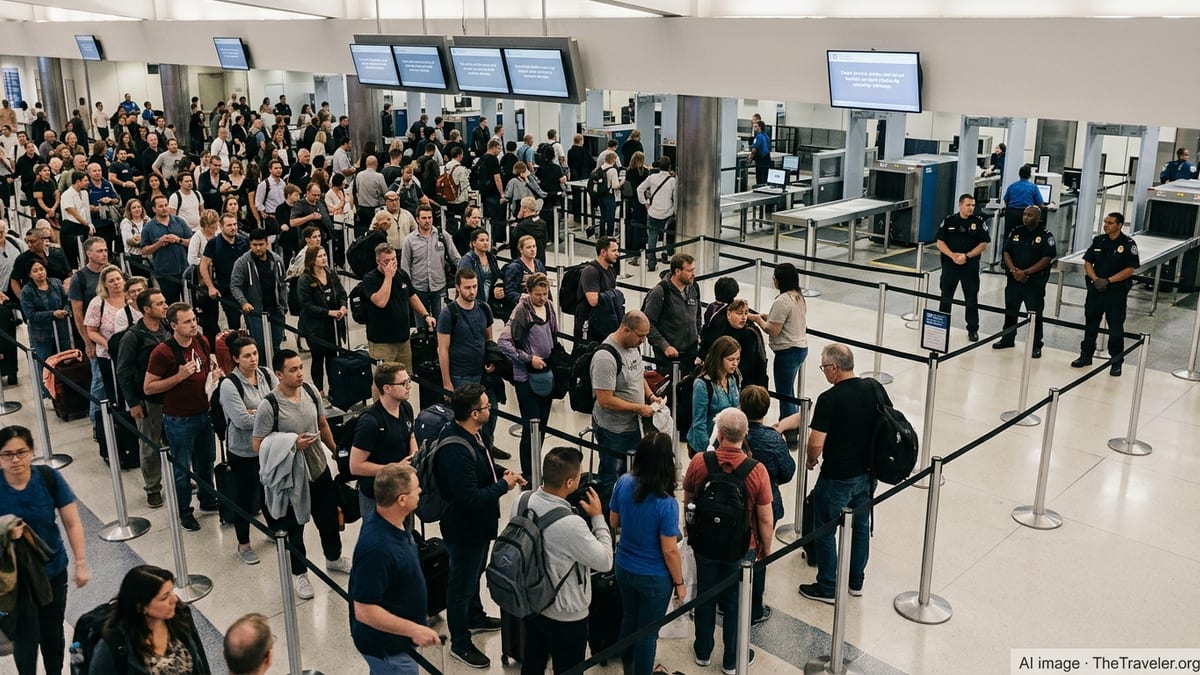
Biometric border system blamed for spiralling queues
The disruption is linked to the Entry/Exit System, a new EU-wide scheme that became fully operational at Schengen external borders in April and replaces passport stamping for most non-EU visitors with a digital register. The system records each traveller’s entry and exit while also capturing fingerprints and facial images during an initial enrolment.
According to published coverage from European travel outlets and major newspapers, the switch to biometric checks has proved significantly slower than manual stamping in many airports. Reports indicate that passengers have faced waits of up to three hours at border control in some hubs, with particularly acute problems during weekend peaks.
Travel industry bodies say the early weeks of EES have exposed technical glitches and capacity shortfalls. In some cases, passengers have had to repeat their biometric registration on subsequent trips, increasing processing times and adding to congestion at passport desks.
The delays have been especially visible for British and other non-EU holidaymakers flying into popular Mediterranean destinations, where airport operators were already braced for record summer traffic.
Airports and airlines unite in calls for suspension
In response to the growing turmoil, major airport and airline associations have issued joint appeals for urgent relief. An open letter from European aviation groups to the European Commission describes the situation at border checkpoints as unsustainable and warns that waiting times can now stretch to between three and five hours at some gateways during busy periods.
Industry organisations argue that border facilities and staffing levels were never designed to handle such intensive biometric processing for all non-EU travellers at once. They are urging EU institutions to allow member states to suspend the new checks temporarily when passenger numbers overwhelm available capacity, particularly during July and August.
Several large carriers have publicly advised customers to arrive much earlier than usual for flights departing from or connecting through EU airports. Low-cost airlines have cautioned that passengers who underestimate queues at border control risk missing departures even when they reach the terminal well ahead of time.
Airport operators in countries including Italy, Spain, Portugal and France have featured prominently in these appeals. Publicly available statements from airport groups highlight concerns that, without fast policy adjustments, the combination of EES queues and peak holiday demand could trigger severe knock-on effects across the continent’s aviation network.
Commission pledges flexibility and short-term fixes
According to reports summarising discussions in Brussels, the European Commission has promised to work with member states and the aviation sector on rapid measures aimed at easing pressure at bottleneck airports. Public information from EU briefings indicates that officials are examining how national authorities can use existing “contingency” provisions to slow or temporarily suspend certain EES procedures when queues reach critical levels.
Travel industry coverage notes that the Commission recently invited airlines, airports and border management representatives to an urgent meeting to gather detailed evidence on the impact of the new checks. The agenda includes proposals for targeted suspensions during peak hours, greater redeployment of border staff, and wider use of automated e-gates for travellers who have already completed their biometric enrolment.
EU publications also point to a broader review of how the Schengen Borders Code and associated digital systems operate in practice. The stated aim is to uphold security and migration-control objectives while restoring more predictable processing times for legitimate travellers.
For now, however, aviation executives and passenger groups stress that any meaningful easing of summer queues will depend on how quickly national governments put new flexibility into effect at the front line.
Travel hotspots under strain as summer peaks
On the ground, the impact is being felt most sharply at major holiday gateways handling high volumes of non-EU tourists. Coverage from European media highlights long lines at key hubs such as Rome, Lisbon, Madrid and busy island and coastal airports serving Spain, Portugal, Italy and Greece.
Some airport operators have openly warned that they may be forced to limit the use of EES or even suspend it for parts of the day to avoid what they describe as a summer “disaster.” In Italy, published reports indicate that the company managing Rome’s airports has raised the prospect of halting the digital checks altogether if waiting times continue to escalate.
The problems are not confined to arrivals. Reports suggest that outbound passengers can also encounter lengthy waits at border control, particularly in terminals where non-EU departures are concentrated. This has led to a rise in missed flights, last-minute gate changes and delayed departures as airlines wait for late-arriving passengers held up in queues.
Smaller regional airports, which often have fewer passport control booths and less flexibility to reconfigure flows, appear especially vulnerable. Travel correspondents note that even moderate surges in traffic can push these facilities beyond their limits once biometric registration is added to the standard document checks.
What travellers should expect and how to prepare
While policymakers argue over structural fixes, the immediate burden is falling on travellers themselves. Guidance published by airlines, airports and travel associations converges on a simple message: build in significantly more time for border checks when flying into or out of the Schengen Area this summer, particularly if you are a non-EU passport holder.
Several carriers now recommend passengers arrive at least three hours before short-haul departures from affected airports, and even earlier for long-haul flights or at traditionally congested hubs. Travel experts also advise allowing generous connection times on itineraries involving a change of plane within the EU, as queues at the first point of entry can easily erode standard minimum connection windows.
Non-EU visitors are being encouraged to have travel documents ready, follow airport signage carefully and use automated e-gates where available after initial biometric registration. Families and larger groups may wish to factor in extra time, as enrolling children’s fingerprints and faces into the system can lengthen processing at the kiosk.
With the Commission now promising action and industry groups demanding swift relief, the coming weeks will test whether Europe’s new border regime can be stabilised in time to salvage the core of the summer season for airlines, airports and millions of passengers.