

More news on this day
Europe is heading toward the pivotal summer 2026 travel season with growing concern that a prolonged shutdown of the Strait of Hormuz will leave the continent grappling with tight fuel supplies, higher transport costs, and renewed pressure on an already strained tourism and aviation sector.
Get the latest news straight to your inbox!
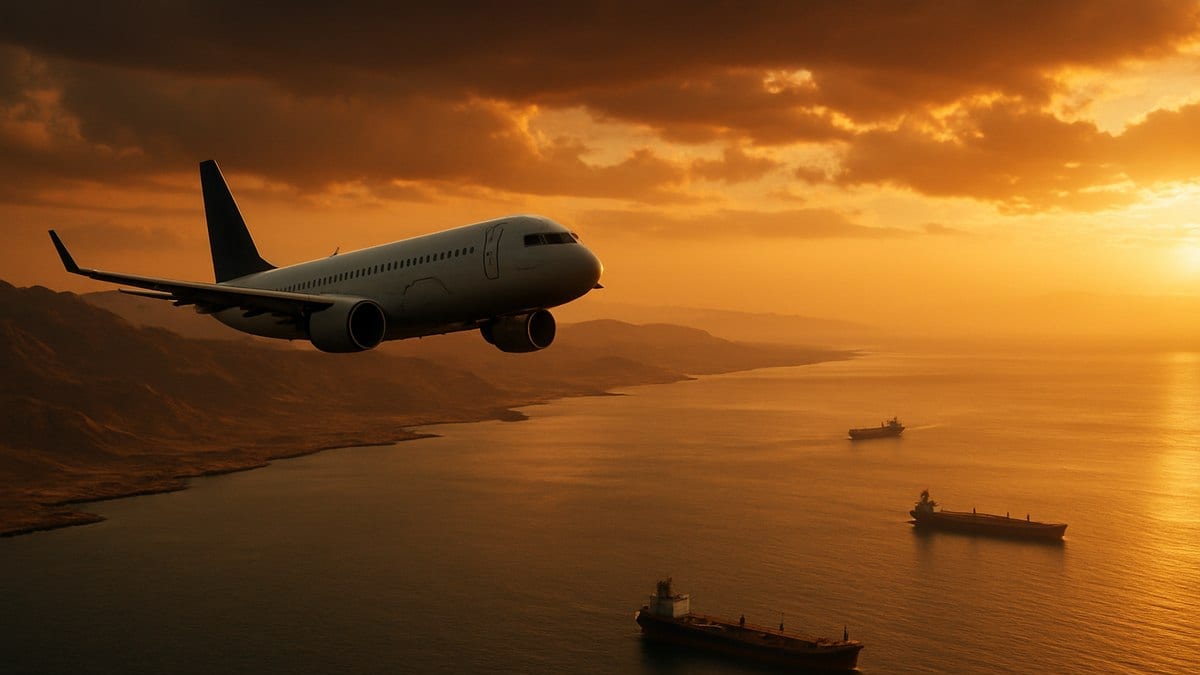
Hormuz Disruption Collides With Peak Travel Season
The conflict that erupted around the Strait of Hormuz at the end of February 2026 has triggered one of the largest disruptions to global oil and liquefied natural gas flows in decades. Analysts note that roughly one fifth of the world’s seaborne oil and close to one fifth of global LNG exports normally transit the narrow waterway between Iran and the Arabian Peninsula. With tanker traffic severely curtailed since early March, prices for crude, diesel and jet fuel have climbed sharply.
Economic assessments published in recent weeks describe the closure as a maritime shock that comes on top of earlier energy strains. Benchmark Brent crude moved into triple digit territory at points in March, while European gas and power benchmarks swung higher as importers scrambled for replacement cargoes. Energy-focused research from banks and policy institutes indicates that even if partial flows resume, the backlog of stranded tankers and limited spare pipeline capacity out of the Gulf region will keep markets tight for months.
For Europe, the timing could hardly be worse. Airlines, ferry operators and tour companies traditionally lock in a large share of their summer fuel needs in the spring. The latest projections suggest that many carriers will now face higher hedging costs or be forced to buy fuel closer to departure dates, when prices may be more volatile. Travel industry briefings already flag the risk that higher operating costs will be passed on to passengers in the form of seasonal surcharges and reduced discount fares.
Reports from aviation data providers also point to airlines trimming marginal routes and redeploying capacity to more profitable city pairs. That trend, seen during previous energy shocks, tends to hit smaller regional airports first and can reduce direct connectivity to Mediterranean leisure destinations just as demand begins to build.
Europe’s Energy Vulnerabilities Resurface
Publicly available analysis of the 2026 Iran war and the subsequent Hormuz crisis underlines how exposed Europe remains to imported hydrocarbons despite efforts to diversify since Russia’s full-scale invasion of Ukraine in 2022. Research from international energy think tanks notes that around 110 billion cubic meters per year of LNG capacity that normally moves through Hormuz has been disrupted, significantly tightening the pool of cargoes available to European buyers.
Market commentary by European banks and insurers emphasizes that the present shock differs from earlier crises in at least two ways. First, the loss of Gulf supply was sudden rather than gradual, leaving less time for buyers to adjust. Second, Europe is now competing more directly with Asian importers for the same flexible LNG volumes and refined products, which can amplify price spikes when shipping routes are constrained.
In March, several major energy companies warned in market updates that Europe could face imbalances in refined product supply heading into the second quarter, particularly for diesel and jet fuel. Refiners benefit from higher margins when prices rise, but the combination of costly crude feedstock and high natural gas prices for processing can still limit throughput. Industrial users in sectors such as chemicals, metals and fertilizers are already reporting surcharges and temporary curtailments, raising the prospect that fuel may be prioritized for essential transport and heating if the crisis persists.
Policy papers released by European economic institutes argue that the region’s gas storage, which helped cushion the past two winters, will be harder to refill over the coming summer. Without comfortable storage levels by early autumn, governments may come under pressure to introduce energy-saving measures that affect both business travel and tourism, including restrictions on non-essential flights or incentives to shift to rail for shorter journeys.
Rising Costs for Airlines, Drivers and Tourists
The immediate effect of the Hormuz crisis for travelers is emerging in fuel bills and ticket prices. Jet fuel benchmarks used in Europe have climbed significantly since late February, and aviation industry briefings indicate that some carriers are revising profit forecasts for 2026 as fuel once again becomes their largest single expense. Budget airlines that rely on high aircraft utilization and low base fares are particularly sensitive to sustained increases in operating costs.
For road users, higher diesel and gasoline prices are likely to shape the peak driving months. Motoring associations across Europe are reporting renewed concern about fuel affordability, with some governments debating temporary tax adjustments or targeted support for low-income households. Tourism bodies in Southern Europe fear that if pump prices remain elevated through June and July, some visitors may shorten their trips, choose destinations closer to home, or swap car rentals for public transport.
Travel agents and online booking platforms are beginning to highlight the possibility of dynamic fuel surcharges on package holidays and cruises. While many operators hedge part of their fuel exposure, contracts often include clauses that allow supplemental charges if benchmark prices breach certain thresholds. Industry analysts expect these measures to show up first on long-haul itineraries, but note that intra-European trips could also be affected if jet fuel markets tighten further.
Accommodation providers are watching developments closely. Hotels and resorts that experienced a post-pandemic rebound now face the prospect of guests arriving with less discretionary spending, as more of their holiday budget is absorbed by energy-related costs. That dynamic could dampen demand for higher-end services such as spa treatments, excursions and fine dining, even if headline visitor numbers remain robust.
Government Responses and Emerging Travel Strategies
European governments are publicly exploring a mix of short term and structural responses to the fuel squeeze. Energy ministries have signaled that strategic oil and fuel reserves can be used to smooth acute shortages, while regulatory agencies are monitoring markets for signs of hoarding or unjustified retail price spikes. Some national transport plans being circulated in recent weeks discuss contingency measures ranging from voluntary fuel saving campaigns to priority fueling schemes for critical services.
At the same time, transport planners and tourism boards are using the crisis to renew emphasis on rail and coach travel within Europe. Recent strategy papers published by several countries promote night trains, high speed rail corridors and cross border ticketing as ways to provide reliable alternatives to short haul flights whose economics may be undermined by higher jet fuel prices. These initiatives align with broader climate goals but are now framed as tools for resilience in a world of more frequent energy shocks.
Travel companies are also adjusting. Tour operators with exposure to fuel intensive products such as cruises, long distance coach tours and fly drive packages are revisiting itineraries, distances and included excursions. Some are experimenting with slower paced routes, longer stays in fewer locations and bundled rail passes that reduce overall fuel use while still appealing to experience oriented travelers.
Insurers and financial institutions that underwrite aviation and shipping are reassessing risk in light of the conflict around Hormuz. Industry briefings point to higher war risk premiums for tankers in the Gulf region and more cautious lending for fleet expansion. Over time, those additional costs could feed back into ticket prices and freight rates that ultimately influence the cost of travel and goods across Europe.
Outlook for Summer 2026 and Beyond
Forecasts produced by energy economists suggest that the trajectory of Europe’s fuel situation over the summer will depend on both geopolitics and market adaptation. A durable reopening of the Strait of Hormuz would eventually release stranded cargoes and ease pressure on prices, but analysts caution that storage constraints, damaged infrastructure and cautious shipowners may delay any return to normal flows.
Scenario analyses released in March outline a range of possible paths. In more optimistic cases, accelerated output from producers outside the Gulf region, combined with efficiency gains and mild demand restraint, could stabilize prices later in 2026 even if Hormuz remains partially disrupted. In more severe cases involving extended closure or additional infrastructure damage, the world could face sustained triple digit oil prices and rationing in some importing countries, with Europe among the most exposed.
For travelers planning trips within or to Europe in the coming months, the evolving situation argues for flexibility. Industry specialists recommend paying close attention to fare conditions, particularly change and cancellation terms, and being prepared for potential schedule adjustments or fuel related surcharges. Domestic and regional destinations accessible by rail or car sharing may gain relative appeal if long haul travel becomes more expensive.
Whatever course the crisis takes, the Hormuz shock of 2026 is reinforcing a lesson learned during previous disruptions. For a continent still heavily dependent on imported fossil fuels, events in distant waterways can quickly reshape the economics of movement, from airline route maps to family road trips. As Europe approaches the summer high season, that reality is once again coming into sharp focus.