

More news on this day
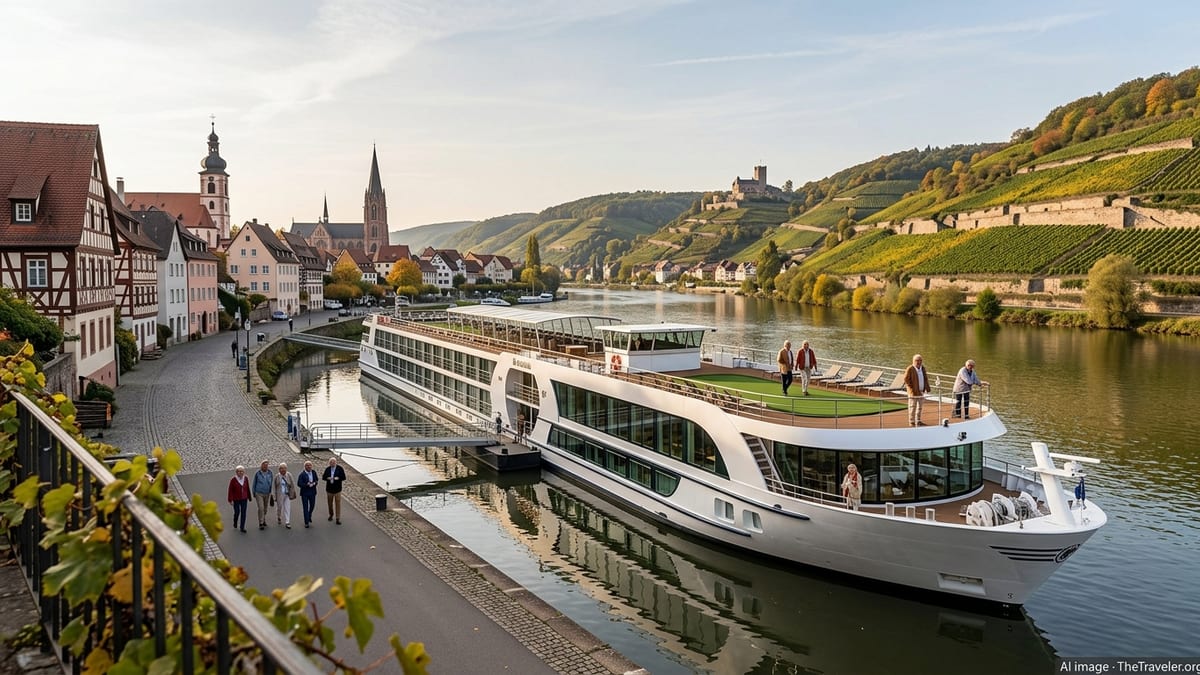
Europe’s rivers are preparing for one of their busiest luxury seasons in years, as cruise lines expand fleets, extend calendars and unveil new itineraries for 2026 along the Danube, Rhine, Seine and other storied waterways.
Get the latest news straight to your inbox!
Lines Open 2026 Seasons Early Amid Strong Demand
River cruise operators are moving earlier than usual to capture interest for 2026, a sign of sustained demand for intimate sailings through Europe’s wine regions and medieval towns. Publicly available booking data shows major cabins already on sale for departures from late winter through the peak summer months, with several lines reporting solid advance interest in classic routes between Amsterdam, Budapest and the Black Sea.
AmaWaterways has opened reservations on its full portfolio of 2026 river cruises across Europe, citing particularly strong bookings in 2024 and 2025 as a key driver for moving early on the following year’s program. The company is also adding new ships to its fleet by 2026, which is expected to increase capacity on high-demand rivers such as the Rhine and Douro while allowing for more varied itineraries.
Viking has likewise released a broad slate of 2026 European river sailings, with departures listed from March through November on routes that include the Danube, Rhine, Main and French rivers. Industry brochures and trade partners indicate that these programs are being marketed not only to seasoned cruisers, but also to first-time travelers seeking an alternative to large ocean vessels and traditional land tours.
Travel advisers say the early-release strategy for 2026 reflects both a rebound in long-haul European travel and a shift toward what many describe as “slow luxury,” in which guests spend more time in port, visit smaller communities and focus on regional food, wine and culture.
New Ships and Itineraries Target Europe’s Wine Regions
The 2026 season is expected to bring additional hardware to Europe’s rivers, further raising the standard of onboard comfort while opening new routes. Fleet plans and financial filings show Viking preparing to add more Longship vessels to its river program by the end of 2026, increasing the number of ships positioned on major European waterways.
AmaWaterways, which has already announced several vessels entering service through 2025, plans two more ships in 2026, including tonnage dedicated to European routes. These additions are expected to support wine-focused itineraries in regions such as the Upper Danube, Germany’s Riesling-producing Moselle valley and Portugal’s Douro, where terraced vineyards line steep riverbanks and shore excursions frequently include cellar visits and tastings.
Brochures from European-based brands highlight new or refreshed itineraries that combine well-known stretches of river with lesser-visited tributaries. Some lines are promoting extended “grand” journeys that link multiple rivers, offering, for example, three-week or longer programs that trace the Rhine, Main and Danube in a single continuous voyage between the North Sea and Eastern Europe.
Several 2026 programs also place added emphasis on seasonal experiences tied to wine and gastronomy. Autumn departures along the Rhine and Danube are being marketed around harvest festivals and regional vintages, while spring cruises highlight blossom season in vineyard regions and access to early-season wine events in riverside towns.
Cultural Partnerships Deepen Shore Experiences
Beyond ship deployments, cruise lines are using 2026 to deepen cultural programming on shore. One of the most visible developments is AmaWaterways’ alliance with Smithsonian Journeys, the travel program associated with the Smithsonian Institution, to operate co-branded itineraries in 2026. According to published coverage, these voyages will feature expert-led explorations on routes such as the Rhine, Main and Danube, framed around European art, history and architecture.
Other operators are expanding themed sailings focused on classical music, Jewish heritage, World War II history and European Christmas markets. These itineraries often include curated tours of museums, concert halls, synagogues and battle sites, as well as talks offered on board by guest lecturers and local specialists.
As cultural expectations rise, lines are refining their approach to excursions in smaller ports. Instead of brief coach tours, many 2026 programs spotlight longer walking explorations of historic centers, tastings in family-owned wineries and market visits guided by local producers. The aim, according to promotional material, is to differentiate river cruising from large-ship ocean itineraries by offering more immersive, small-group experiences in places that can be reached only by low-slung vessels.
In practice, this means travelers on Europe’s main waterways in 2026 will find more chances to explore baroque town halls, Gothic cathedrals and Roman ruins on foot, often just steps from where their ship is moored, before returning to an evening of regionally inspired cuisine and wines on board.
Extended Seasons and Back-to-Back Voyages Gain Traction
With interest growing in longer and more flexible European holidays, several cruise brands are stretching their 2026 calendars and encouraging guests to link multiple sailings. Emerald Cruises and Scenic, among others, have promoted an extended 2026 river season on core routes such as the Rhine, Danube, Rhône and Douro, with shoulder-season departures in early spring and late autumn.
Promotional materials and trade offers highlight back-to-back “grand river” combinations that string together itineraries like Amsterdam to Basel on the Rhine with Basel to Budapest on the Danube, effectively creating a multi-week journey across the continent. These extended options appeal to travelers who prefer to unpack once and settle into shipboard routines while covering significant geographic ground.
Data from tour operators indicates that early bookers for 2026 are often repeat river cruisers looking to visit new stretches of river without sacrificing the amenities they know. Back-to-back guests are being courted with fare incentives, laundry inclusions and additional onboard credit, encouraging them to trade a traditional seven-night cruise for ten days or more.
The longer season and increased length of stay are also seen as a way to smooth capacity across months that were once more heavily concentrated around peak summer. Spring flower sailings, autumn foliage and harvest voyages, and festive departures leading into the European holiday market period are all central to the 2026 planning across major lines.
Climate, Capacity and Value Shape 2026 Booking Choices
While interest in 2026 Europe river cruises is robust, travelers are weighing a number of practical considerations as they make reservations. Recent seasons have underscored how low or high water levels can at times disrupt itineraries, leading to adjustments such as ship swaps or coach segments. Public discussion on traveler forums indicates that some guests are studying historical conditions and preferring shoulder months perceived as less prone to extreme heat.
At the same time, capacity on popular itineraries is limited by the relatively small size of most river vessels, which generally host fewer than 200 guests. Travel advisers note that for peak periods such as June and September 2026, prime cabin categories on well-known lines are filling earlier, reinforcing the practice of planning one to two years ahead.
On pricing, reports suggest that many 2026 itineraries carry higher base fares than in the immediate post-pandemic years, but operators are positioning them as inclusive products with a significant portion of touring, dining and beverages bundled into the upfront rate. Early booking incentives, air promotions and loyalty discounts are widely promoted tools to keep perceived value competitive with land-based touring and premium ocean cruising.
For travelers planning a 2026 journey, the landscape points to a season where vineyard-clad valleys, castle silhouettes and centuries-old town centers remain the main draw, supported by newer ships, denser cultural programming and a broader range of trip lengths. As bookings gather pace, Europe’s rivers are set to remain a central stage for luxury travel across the continent in the year ahead.