

More news on this day
Hundreds of flights have been canceled and thousands more delayed across the United Kingdom, France, the Netherlands, Ireland and Spain today as a new wave of severe winter weather collides with a transatlantic blizzard, triggering major disruption at some of Europe’s busiest airports.
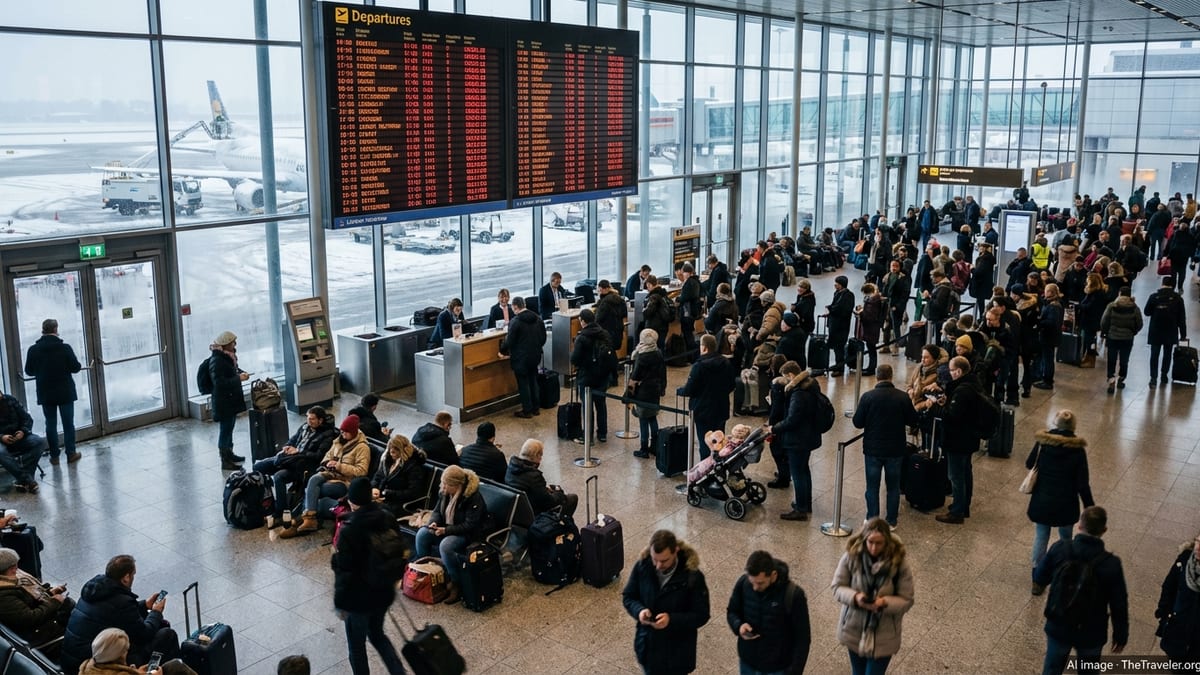
Storm Systems Converge to Cripple Key European Hubs
Europe’s aviation network is facing another bruising test as winter storms sweep across the continent while a powerful blizzard on the United States east coast ripples back through transatlantic schedules. On February 23, tracking data and airline advisories indicated at least 150 to 200 flights canceled and well over 1,000 delayed across major hubs in the UK, France, Spain, Ireland and the Netherlands, snarling connections and leaving terminals packed with frustrated travelers.
The latest disruption comes on top of a punishing winter for European aviation. In January, windstorm systems such as Storm Goretti brought destructive gusts and freezing conditions to the UK, France, the Netherlands and Spain, forcing airports to shut runways, scale back operations and cancel hundreds of flights on several days. That earlier chaos left airlines and airports operating with little margin, so the current wave of cancellations and delays is quickly cascading through already fragile networks.
Today’s problems are being fueled by a combination of local winter conditions and distant but highly disruptive weather in North America. Airlines and airport operators say they are juggling snow, high winds, icing risks and runway capacity constraints at home, while also trying to absorb the impact of thousands of flight cancellations and airport shutdowns on the US east coast, which are cutting aircraft and crew availability for European services.
Operationally, the result is a patchwork of targeted cancellations, rolling delays and last-minute gate changes. While most airports remain open, capacity reductions and safety limits on take-offs and landings are forcing carriers to trim schedules sharply during peak periods, particularly at London Heathrow, Paris Charles de Gaulle and Amsterdam Schiphol.
United Kingdom: Heathrow and Other Airports Under Strain
In the United Kingdom, Heathrow has emerged as one of the hardest-hit hubs. Strong, shifting winds and bouts of winter precipitation have reduced the number of aircraft that can safely land and depart each hour, prompting airlines to consolidate services and cut flights to avoid gridlock. Departure boards on February 23 showed a dense pattern of delays alongside dozens of cancellations, affecting both short European hops and long-haul routes.
London Gatwick and Manchester have also reported disruption, particularly on transatlantic services. The impact is amplified by the near-shutdown of several major US east coast airports as Winter Storm Hernando dumps heavy snow and brings gusts exceeding 60 miles per hour. With many US-bound flights scrubbed in advance, aircraft and crews are out of position, undermining the reliability of later services from UK airports even where local weather has briefly improved.
For passengers, that has translated into long queues at check-in desks and transfer counters, crowded departure halls and a surge in rebooking requests as travelers try to salvage business trips and holiday plans. Airlines are issuing travel waivers for some routes, allowing customers to change dates without additional fees, but limited spare capacity during peak winter travel periods is forcing many to accept multi-stop alternatives or wait an extra day or more for open seats.
Britain’s aviation authorities and airport operators are urging passengers to treat schedules as highly provisional for the next 24 to 48 hours, especially for flights involving the North Atlantic. They also stress that safety considerations, including runway friction limits and visibility thresholds, will continue to override commercial pressures as the stormy conditions persist.
France and Spain: Major Hubs Battling Rolling Disruption
In France, Paris Charles de Gaulle and Orly are experiencing rolling disruption as winter storms and high winds complicate operations. Earlier in the season, French airports were ordered to cut flight volumes preemptively during strong wind and snow episodes, and similar constraints remain in place whenever forecasts deteriorate. On February 23, cancellations and delays at Charles de Gaulle were particularly concentrated on European feeder flights, which in turn feed into long-haul services to the Americas, Africa and Asia.
For travelers, that means even those flying long-haul from Paris can find their journeys disrupted by cancellations on short connecting legs from other French and European cities. Airline planners are trying to preserve as many long-haul departures as possible by thinning frequencies on busy intra-European routes, but the knock-on effects are significant. Missed connections, re-routings via alternative hubs and overnight stays have become a familiar pattern for passengers moving through the French capital this winter.
Spain, meanwhile, is wrestling with the downstream impact of northern Europe’s weather and widespread transatlantic disruption. At Madrid-Barajas and Barcelona-El Prat, local conditions have at times remained comparatively manageable, but inbound aircraft from London, Amsterdam and Paris have often arrived hours behind schedule or not at all. That has forced Spanish carriers and international airlines operating in Spain to delay or cancel onward flights, even where the skies above their own runways are clear.
Spanish airports have also seen disruptions on routes linking to the US east coast and other parts of North America. As US airports temporarily halt or sharply reduce operations in the face of heavy snow and blizzard conditions, flights from Spain to major US cities are being canceled or pushed back, compounding the backlog of passengers seeking rebookings and raising the prospect of further knock-on effects in the days ahead.
Netherlands and Ireland: Schiphol and Dublin in the Crosshairs
The Netherlands’ main gateway, Amsterdam Schiphol, remains a critical pressure point in this winter’s aviation turmoil. The airport has already endured one of its most challenging starts to a year in recent memory, with early January storms triggering a cumulative total of around 3,500 flight cancellations over several days as snow, freezing rain and fierce winds battered the country. Those events exposed the vulnerability of key systems such as de-icing operations, which struggled to keep up with demand and at times ran dangerously low on glycol-based fluid.
Although current weather conditions at Schiphol are generally less extreme than during that early January peak, the airport is still recording heightened levels of cancellations and delays on February 23 as fresh winter fronts pass through and North Atlantic services are disrupted. Ground operations, including runway clearing and de-icing, remain under steady strain, and airlines are proactively removing flights from schedules to prevent the kind of gridlock and stranded aircraft that marked the worst days of the previous storm episode.
In Ireland, Dublin Airport is dealing with a more focused but still significant impact from Winter Storm Hernando in the United States. Airport authorities confirmed that at least 13 flights to and from Dublin, mostly on US east coast routes, were canceled on February 23 as American airports from New England to Philadelphia grappled with heavy snowfall and near blizzard conditions. A small number of services at Shannon have also been affected.
Irish officials are advising passengers booked on transatlantic flights over the coming days to check directly with their airlines before heading to the airport, warning that schedule changes are likely to evolve rapidly as US operators assess runway conditions, staffing levels and de-icing capacity. Even once the worst weather clears in North America, it may take several days for aircraft and crews to be returned to normal rotations, meaning continued disruption for Ireland’s transatlantic links.
Why Travelers Need to Pay Attention Now
For many passengers in Europe and beyond, the latest wave of winter disruption may feel like yet another episode in a long season of travel headaches. Yet aviation and consumer experts say it is precisely this cumulative stress on airline and airport systems that makes February’s storms especially important to monitor, even for those not flying today.
With aircraft and crews scattered, maintenance slots disrupted and airport capacity regularly constrained by weather, the network is far less resilient to fresh shocks. A single additional snow front, high wind warning or technical failure can now trigger much larger cascades of cancellations than would be typical in a more stable operating environment. That means travelers with trips planned in the next one to two weeks, especially on routes involving London, Paris, Amsterdam, Dublin or major Spanish hubs, should be prepared for potential changes and consider contingency plans in advance.
Another reason to pay close attention is the interaction between European weather and the extraordinary disruption currently unfolding on the US east coast. Winter Storm Hernando has already forced the cancellation of thousands of flights within and into the United States, and that effect is feeding directly into European schedules, as aircraft that would normally be cycling between North America and Europe remain grounded. Even flyers on intra-European routes can feel the impact when aircraft they were meant to board are stuck another continent away.
In practical terms, being proactive can make a measurable difference. Passengers who monitor airline apps, sign up for flight alerts and check airport advisories before leaving home are more likely to secure earlier rebookings or alternative routings if their flight is pulled from the schedule at short notice. Those waiting until they reach the airport often find themselves at the back of long lines at service desks with fewer remaining options.
Knock-On Effects for Tourism, Business and Airline Finances
The current bout of aviation turmoil is not just a logistical headache; it also carries growing economic consequences for tourism industries, business travel and airline finances across the affected countries. Hotels in airport corridors from Heathrow and Gatwick to Paris and Amsterdam report surging last-minute bookings as passengers are forced to stay overnight after missed connections or canceled departures, while city hotels experience more unpredictable arrival patterns and shorter stays.
Destination tourism boards in Spain, Ireland and parts of France are also bracing for a wave of late arrivals and shortened holidays, particularly from long-haul markets. When snowstorms and blizzards prompt days of long-haul cancellations, travelers with limited vacation windows often have to cancel altogether rather than accept two- or three-day delays, resulting in lost spending not just for airlines but for local businesses from restaurants and tour operators to museums and taxis.
For airlines, the financial hit of repeated winter disruptions is mounting. Carriers are incurring additional costs for de-icing, crew overtime, airport handling and passenger care, including meals, hotel rooms and ground transport where required under European consumer protection rules. At the same time, revenue is being squeezed by the cancellation of high-yield long-haul flights and the need to offer flexible rebooking options and fare waivers to retain customer goodwill.
Analysts warn that if severe weather continues into March or is followed by new shocks, such as strikes or technical failures, the combination could significantly dent first-quarter results for Europe’s major airline groups and low-cost carriers alike. That in turn may influence how aggressively they schedule capacity for the summer season, with potential implications for ticket availability and pricing later in the year.
What This Turbulent Winter Means for Future Travel
This winter’s succession of storms and airport shutdowns is reviving debates over how well prepared Europe’s aviation system is for increasingly volatile weather. Meteorologists and climate researchers caution that while individual storms cannot be blamed on climate change alone, warmer oceans and shifting atmospheric patterns can contribute to more intense and less predictable winter weather events, including heavy snow, ice storms and severe wind systems affecting busy transport corridors.
Airport authorities in the UK, France, the Netherlands, Ireland and Spain are already conducting internal reviews of their responses to the January and February disruptions. Issues under scrutiny include the resilience of de-icing supply chains, staffing levels for ground handling crews, runway snow-removal capabilities and the robustness of passenger information systems, particularly during peak crisis periods when websites and apps are inundated with traffic.
Travelers, for their part, are likely to draw their own conclusions. Some aviation experts expect a rise in travel insurance purchases that specifically cover weather-related disruption, as well as greater demand for flexible tickets that can be changed without high penalties. Others predict a growing preference for direct flights over connections, even at higher prices, as passengers seek to limit the number of potential failure points in complex itineraries during the winter months.
For now, the message from airlines, airports and forecasters is clear: Europe’s turbulent winter is not yet over, and the ripple effects from today’s storms could continue to unsettle travel plans for days to come. For anyone due to fly to, from or within the UK, France, the Netherlands, Ireland or Spain in the short term, staying informed and building extra flexibility into plans is no longer simply advisable, but essential.