

More news on this day
From extreme weather and geopolitical tensions to still-fragile airline operations, a growing body of industry data indicates that travelers who skip insuring their trips are taking on more financial risk than ever.
Get the latest news straight to your inbox!
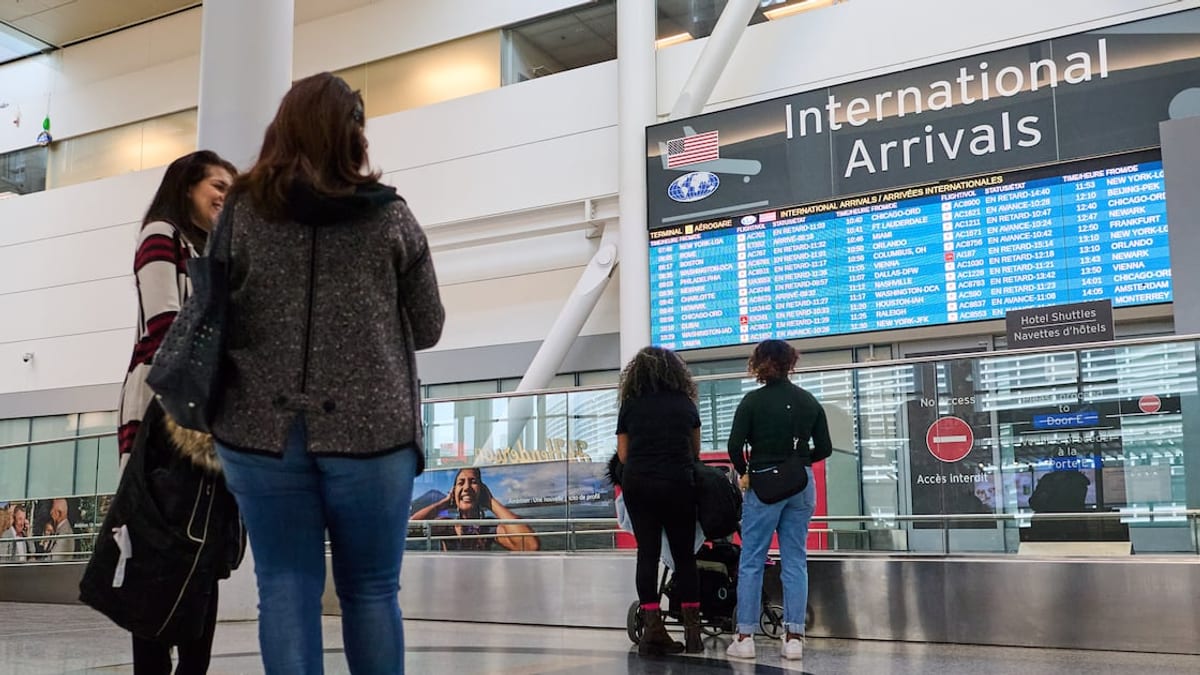
Disruption has become routine for leisure and business trips
Recent industry research portrays a travel landscape in which disruption is no longer an outlier but a recurring feature of both leisure and corporate itineraries. A mid‑2025 business travel outlook from a major global insurer reported that eight in ten surveyed business travelers experienced at least one disruption during work trips in 2025, while more than half encountered an incident or emergency requiring support. These events ranged from delayed or canceled flights to security scares and medical issues abroad.
Corporate travel spending is expected to climb back above pre‑pandemic levels in nominal terms over the next few years, yet analysts note that volatility has not eased. Market data compiled by travel and insurance firms points to a combination of staffing constraints, congested airports, changing border rules and operational strains that can quickly derail tight travel schedules. For companies, this has elevated travel protection from a discretionary add‑on to a core risk‑management tool.
For individual travelers, similar patterns are emerging. Survey work published in late 2024 and 2025 shows that a rising share of holidaymakers encounter some form of mid‑trip disruption, whether from missed connections, baggage problems or last‑minute itinerary changes forced by local events. As volumes increase into peak seasons, experts argue that uninsured travelers are effectively self‑insuring against a backdrop of higher and more complex risks.
In parallel, several travel insurers and assistance providers report that claims are shifting away from purely pre‑departure cancellations toward a greater share of post‑departure issues. This suggests that while travelers may reach their destinations, they are less likely to complete itineraries exactly as planned, making robust coverage for delays, missed tours and unexpected extra nights increasingly relevant.
Rising costs and economic uncertainty magnify financial exposure
Economic conditions are compounding the impact of operational volatility. Travel market reports indicate that airfare, accommodation and package tour prices climbed notably in 2024 and 2025, driven by inflation, higher wages and capacity constraints. As trip budgets rise, even a single cancellation or major delay can now translate into a far more painful financial hit for households.
Data from major comparison platforms points to a steady increase in policy purchases as travelers look to shield these higher upfront investments. One prominent marketplace reported a double‑digit rise in travel insurance demand through early 2025 compared with late 2024, attributing the shift in part to concern about job security, volatile prices and the prospect of having to cancel or cut short costly trips. Analysts note that the average comprehensive policy still typically represents a small fraction of the total trip price, but can reimburse non‑refundable flights, hotel deposits and tour payments when covered events occur.
Surveys of North American travelers further show that worries about potential economic shocks continue to influence planning. While many consumers intend to travel as much or more than before the pandemic, a sizable share say they would be forced to cancel or downsize trips if faced with sudden expenses or income loss. In that environment, travel protection that covers trip cancellation for specified reasons, or enhances flexibility through optional upgrades, is increasingly framed as a way to protect a broader household budget rather than just a single vacation.
Industry observers warn that without some level of coverage, travelers who front thousands of dollars for cruises, long‑haul flights or complex itineraries may have few avenues to recover funds if suppliers fail or circumstances change. As a result, experts are urging consumers to treat travel deposits like other major financial commitments and consider how much of that exposure they can realistically afford to lose.
Climate change and extreme weather reshape risk calculations
Climate‑linked events are another major driver behind calls for better protection. Insurance and risk reports compiled in 2024 and 2025 highlight a marked rise in losses from extreme weather, including storms, floods, wildfires and heatwaves that affect popular tourist regions. Analysts at global insurers and consultancies describe climate disruption as a structural shift rather than a passing concern, with more frequent and severe events expected to keep straining transport networks and destination infrastructure.
Travel industry publications have documented a growing number of cases in which travelers are forced to extend or curtail stays because of heavy rain, heatwaves or storms, triggering additional accommodation and rebooking costs. In parallel, some destinations are introducing seasonal restrictions or capacity limits in response to environmental pressures, adding another layer of uncertainty for visitors without flexible arrangements or insurance that responds to schedule changes.
Market commentators note that these patterns are feeding directly into the travel insurance market. Reinsurer reports and specialist travel insurance analysis suggest that as catastrophe losses climb, premiums in certain segments are edging higher and policy wording is evolving to clarify which weather‑related scenarios are covered. Some products now emphasize post‑departure protections such as trip interruption, missed connections and emergency evacuation linked to natural disasters.
For travelers, experts stress the importance of reading policy terms carefully, particularly around what constitutes a covered weather event and how close in time and place it must be to the itinerary. The advice emerging from consumer advocacy coverage is that climate risks make insuring key elements of a trip more, not less, urgent, even as insurers refine the scope of protection they can sustainably offer.
Geopolitical tensions and security alerts test policy limits
Alongside climate pressures, geopolitical instability has become a visible factor in travel decision‑making. Traveler sentiment surveys compiled in 2025 show that a significant share of respondents now cite geopolitical instability and civil unrest as top concerns when choosing destinations. In some polls, these risks outrank economic worries or pandemic‑related health fears, underscoring how quickly events in one region can ripple through global flight networks.
Recent seasons have also brought highly publicized security alerts affecting major tourism corridors. Coverage from travel insurance marketplaces indicates that such alerts can trigger surging interest in travel policies, with one provider reporting that 85 percent of surveyed Americans now regard travel insurance as essential for summer trips following high‑profile warnings. However, specialists are quick to point out that standard policies often exclude losses directly related to war, military action or certain forms of political unrest.
Industry commentary emphasizes that travelers need to distinguish between disruptions covered by typical trip‑cancellation and interruption benefits, such as strikes or unforeseen terror incidents, and scenarios that fall under war or civil commotion exclusions. In some cases, optional upgrades or niche products may narrow these gaps, but they generally come with strict conditions and higher premiums.
Analysts suggest that the upshot for consumers is twofold. First, failing to insure trips in an era of fluid geopolitics can leave travelers exposed to last‑minute cancellations that may not be refundable. Second, even insured travelers must pay close attention to policy fine print and to how their destination is classified at the time of booking and departure, since advisories or formal declarations can alter coverage in ways that only become apparent when claims are filed.
Experts highlight the need to insure core trip components
As risks accumulate across climate, economic and geopolitical fronts, travel and insurance specialists are converging on a consistent message: travelers should prioritize insuring the elements of a trip that would be financially or logistically hardest to replace. Published guidance from consumer groups and market analysts commonly highlights non‑refundable flights, prepaid accommodation, cruises, escorted tours and remote or high‑cost destinations as areas where comprehensive coverage can be most valuable.
Reports indicate growing interest in add‑ons such as cancel‑for‑any‑reason benefits, enhanced medical coverage and evacuation services, particularly among travelers headed to regions with limited healthcare infrastructure or complex security environments. These products typically carry higher price tags and tighter purchase windows, yet experts argue that for certain itineraries they can make the difference between a manageable setback and a financially devastating episode.
Publicly available information from insurance regulators and industry associations also underscores the need to understand jurisdictional nuances. Some countries and territories have begun to require proof of travel medical coverage or specific evacuation benefits as a condition of entry, effectively shifting insurance from an optional safeguard to a prerequisite for crossing the border. Travelers who ignore these rules risk denied boarding or entry, with little chance of recovering prepaid costs.
For now, most comprehensive policies still cost a modest percentage of the overall trip value, but analysts warn that premiums could continue to move higher if claim volumes and severity keep rising. Against that backdrop, experts are urging travelers to build travel insurance into trip planning from the outset, rather than treating it as an afterthought at checkout. The consensus emerging across industry research is that in a more volatile world, insuring travel purchases is less about chasing perks and more about ensuring that a long‑planned journey does not turn into an outsized financial loss.