

Ohio is often treated as a place to pass through on the way to somewhere else. Look a little closer, though, and the Buckeye State reveals itself as a layered, quietly confident destination where big-city culture, rolling farmland, lakefront sunsets and national park landscapes share the same map. For travelers willing to trade the obvious for the authentic, Ohio offers an appealing blend of affordability, accessibility and genuine sense of place that makes it worth more than a quick stop.
Cities in Transformation: Cleveland, Columbus and Cincinnati
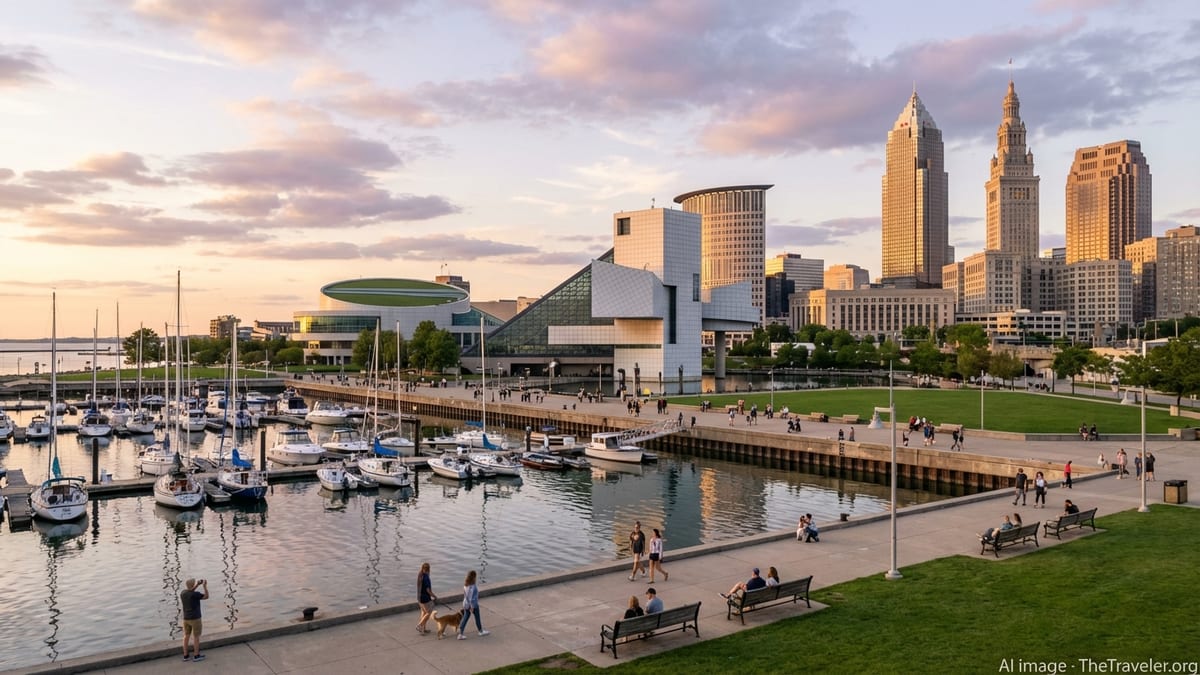
Ohio’s three largest cities have spent the past two decades reimagining themselves, and the results are changing how outsiders see the state. Cleveland, once shorthand for postindustrial decline, is now drawing record numbers of visitors and setting new tourism spending highs, powered by its lakefront, major sports franchises and an increasingly confident food and arts scene. Public and private investment is reshaping its downtown core and waterfront districts, bringing new hotels, public spaces and residential neighborhoods to what was long working riverfront and industrial territory.
Columbus feels different again, a fast-growing capital city fueled by higher education, tech, fashion and one of the country’s most dynamic LGBTQ+ communities. Neighborhoods such as the Short North and German Village showcase how historic fabric can blend with independent galleries, coffee bars and chef-driven restaurants. The city’s many events and festivals, from art walks to food-focused weekends, give visitors an easy way to plug into local life without feeling like outsiders.
Cincinnati, pressed up against the Ohio River and the Kentucky hills, leans into its architecture and baseball-and-breweries heritage. Restored 19th century buildings in Over-the-Rhine now house bars, music venues and contemporary eateries, while the riverfront has been landscaped into walkable parks and gathering spaces. Taken together, Ohio’s big three demonstrate that the state’s urban story is no longer simply one of factories and freeways, but of reinvention, culture and liveability.
Nature Close at Hand: From Lake Erie to Cuyahoga Valley
Ohio is not all city streets and cornfields. One of its greatest draws is just how quickly urban density gives way to green space and water. The Lake Erie shoreline offers sandy beaches, fishing harbors and island getaways within an easy drive of both Cleveland and Toledo. Summer brings boating, birding and vineyards along the lake, while shoulder seasons reward travelers with quieter trails, cooler air and pastel sunsets over the water.
In Northeast Ohio, Cuyahoga Valley National Park showcases the state’s most dramatic protected landscape. Threaded between Cleveland and Akron, it is an intricate patchwork of forest, waterfalls, farmland and historic canal infrastructure. Visitors can hike to viewpoints over sandstone ledges, follow the old Ohio and Erie Canal towpath by bike, or ride the scenic railroad that traces the Cuyahoga River. It is one of the rare national parks intertwined with suburban neighborhoods and working farms, making it an unusually accessible backcountry for day hikers and families.
Beyond the national park, Ohio’s state parks and regional preserves offer their own reasons to slow down. In the southeastern hill country, trails wind through hardwood forests and sandstone gorges, revealing a landscape that feels far removed from flatland stereotypes. Wetland refuges along major bird migration routes attract nature lovers each spring, particularly around the Lake Erie marshes, where a steady flow of birders has become a quiet but important part of the local tourism economy.
Small-Town Character and the Amish Country Experience
Much of Ohio’s charm lies between its urban hubs, in small towns that have learned how to welcome visitors without losing their sense of self. County-seat squares with brick courthouses, antique shops and diners still anchor many rural communities, offering an easy snapshot of everyday Midwestern life. Farmers’ markets, seasonal fairs and local high school sports lend a feeling of continuity that travelers often find refreshing in an era of interchangeable chain stores.
Ohio’s Amish country, centered in Holmes and surrounding counties, is one of the most distinctive rural regions in the eastern United States. Here, horse-drawn buggies move along country roads, laundry hangs on long lines across farmyards and handmade quilts appear in general stores. Visitors come for the slow rhythms, craft traditions and baked goods, but the area also invites reflection on sustainability and community. Businesses in the region are practiced at hosting outsiders, from family-style restaurants to farm stays, yet the area still feels grounded in local values rather than spectacle.
Other pockets of small-town interest stretch along rivers and old canal routes. Historic communities on the Ohio River, especially in the southeast, tie into the broader story of the Northwest Territory and westward expansion. Museums, riverfront promenades and preserved main streets allow travelers to connect the dots between early frontier life and the modern state, often with a fraction of the crowds found in more famous historic destinations.
Culture, Music and the State’s Creative Streak
Ohio’s cultural footprint extends further than many visitors expect. In Cleveland, the Rock & Roll Hall of Fame draws music fans year-round with rotating exhibits and special programming that highlight both legends and lesser-known contributors to the genre. A significant expansion of the museum is underway, promising more exhibition space, performance capacity and educational offerings in the coming years. The city’s orchestras, theaters and smaller venues, from concert halls to neighborhood clubs, round out a scene that rewards both casual listeners and dedicated fans.
Columbus and Cincinnati add their own voices to the chorus. Major art museums in both cities balance European and American collections with contemporary work that often spotlights regional artists. Public art projects, from murals to sculptural installations, have become common across downtown districts and university neighborhoods, making even a simple walk an opportunity for discovery. Visitor-friendly arts districts typically mix galleries with bars, cafes and music spots, making it easy to build an evening around a show or opening.
Beyond marquee institutions, Ohio’s creative streak appears in more unexpected places. Old industrial buildings are frequently repurposed as makers’ markets and studio complexes, particularly in cities that once depended heavily on manufacturing. Music festivals, book fairs and independent film events pop up throughout the year, reflecting the state’s diversity and giving local voices a stage. For travelers eager to understand how Midwestern communities are redefining themselves for a new era, these cultural scenes offer a candid and often hopeful perspective.
On the Plate and in the Glass: Eating and Drinking in Ohio
Travel in Ohio increasingly means paying attention to what is on the table. The state’s agricultural base ensures a steady supply of local ingredients, and many restaurants, markets and breweries make regional sourcing part of their identity. In cities, chefs blend comfort-food roots with global influences, turning pierogi, fried chicken, seasonal produce and lake fish into carefully crafted plates. Food halls and public markets bring together small producers and food stalls under one roof, offering visitors an easy way to sample regional flavors in a single stop.
Craft beer has become a defining part of Ohio’s hospitality landscape, with breweries large and small scattered across urban neighborhoods and small towns. Many operate taprooms that double as community gathering spaces, hosting trivia nights, food trucks and live music. Wineries are particularly common along Lake Erie and in the rolling countryside, where the combination of vineyards, tasting rooms and sunset views has created a quietly growing wine-tourism circuit. Distilleries, too, are carving out a niche, often in restored brick warehouses or rustic roadside spaces.
Local specialties provide a sense of fun and place. Regional chili styles, distinctive sausages, cream-filled pastries and family-owned pizzerias all have devoted followings. In Amish country, farm restaurants and roadside stands draw lines for pies, cheeses and cured meats. Travelers who plan their routes with appetite in mind will find that meals in Ohio can be as memorable as any museum visit or hike, particularly when paired with the unhurried conversations that often unfold at counters and communal tables.
Why Ohio Works for Different Kinds of Travelers
One reason the Buckeye State merits a closer look is how well it suits different types of trips. For families, Ohio combines major attractions such as zoos, science centers, amusement parks and interactive museums with kid-friendly hiking trails and lakefront beaches. Distances between cities and natural areas tend to be modest, making it realistic to mix cultural stops with outdoor time in a single long weekend. Lodging options range from downtown hotels to cabins, campgrounds and short-term rentals in rural areas.
Couples and friends’ groups often appreciate Ohio’s balance of affordability and variety. City breaks can include gallery-hopping, concerts and high-end dinners without the price tag of larger coastal metros, while road trips link scenic byways, wineries and small historic towns. For travelers interested in American history, architecture or the evolution of industrial communities, Ohio provides an especially rich set of case studies in a compact area.
Solo travelers, meanwhile, tend to find Ohio straightforward and welcoming. Public transportation in the largest cities covers key neighborhoods, and driving between regions is rarely intimidating. Safety considerations are similar to those in other U.S. states, and locals are generally willing to offer suggestions or directions. Because tourism is a significant and growing part of the state economy, visitor information centers, tourism bureaus and museum staff are practiced at helping people make the most of limited time.
The Takeaway
Ohio might not top many bucket lists, but that is precisely what makes it rewarding to explore. The state’s appeal comes less from headline-grabbing spectacles than from the way its pieces fit together: revitalized cities with serious cultural weight, a national park threaded between suburbs and fields, lake and river landscapes within casual driving distance, and rural communities that still run on long-standing traditions. Travelers who value authenticity, space and the chance to understand how a place works will find plenty to engage them here.
As tourism continues to grow and new waterfront promenades, museum expansions and public spaces come online, Ohio is learning to present itself more confidently to the wider world. Yet the underlying character remains rooted in pragmatism and friendliness rather than showmanship. Whether you come for a long weekend of concerts and restaurants, a slow meander through Amish country backroads or a week of hiking and birding, the Buckeye State is well positioned to surprise you in all the right ways.
FAQ
Q1. What is the best time of year to visit Ohio?
The most popular months are late spring through early fall, when temperatures are mild, outdoor events are plentiful and Lake Erie and park activities are in full swing.
Q2. Is Ohio a good destination for a short weekend trip?
Yes. Major cities, the national park and lakefront areas sit relatively close together, making it easy to build a two or three day itinerary without long drives.
Q3. Do I need a car to explore Ohio?
A car provides the most flexibility, especially for reaching parks and small towns, though central districts in cities like Cleveland, Columbus and Cincinnati can be explored on foot or by transit.
Q4. Is Ohio affordable compared with other U.S. destinations?
Generally yes. Lodging, dining and attraction costs in Ohio often run lower than in major coastal metros, which helps travelers stretch their budgets further.
Q5. What are some must-see attractions for first-time visitors?
First timers often combine a visit to a major city, a stop at Cuyahoga Valley National Park or a state park, and time along the Lake Erie or Ohio River waterfront.
Q6. Is Ohio a good place for outdoor activities?
It is. Visitors can hike, bike, paddle, birdwatch and in some areas ski or sled in winter, particularly around the national park, state parks and Lake Erie coast.
Q7. Are there family-friendly things to do in Ohio?
Absolutely. Zoos, science centers, amusement parks, beaches, children’s museums and easy hiking trails give families plenty of options across the state.
Q8. What should I know about visiting Amish country?
Travelers should drive carefully, respect farm and home privacy, and remember that many businesses close on Sundays and may have limited hours on religious holidays.
Q9. How many days should I plan for an Ohio road trip?
Four to seven days allows time to link at least two cities with countryside or lakeshore stops, without feeling rushed between destinations.
Q10. Is Ohio safe for solo travelers?
Most visitors experience no safety issues. Basic precautions, such as staying aware of your surroundings and securing valuables, are usually sufficient across the state.