

More news on this day
An American Airlines flight bound for Boston made an unscheduled landing in Detroit after a disruptive passenger began screaming in the cabin, prompting an emergency diversion and a high-profile law enforcement response that passengers later described as involving agents with a rifle on the jet bridge.
Get the latest news straight to your inbox!
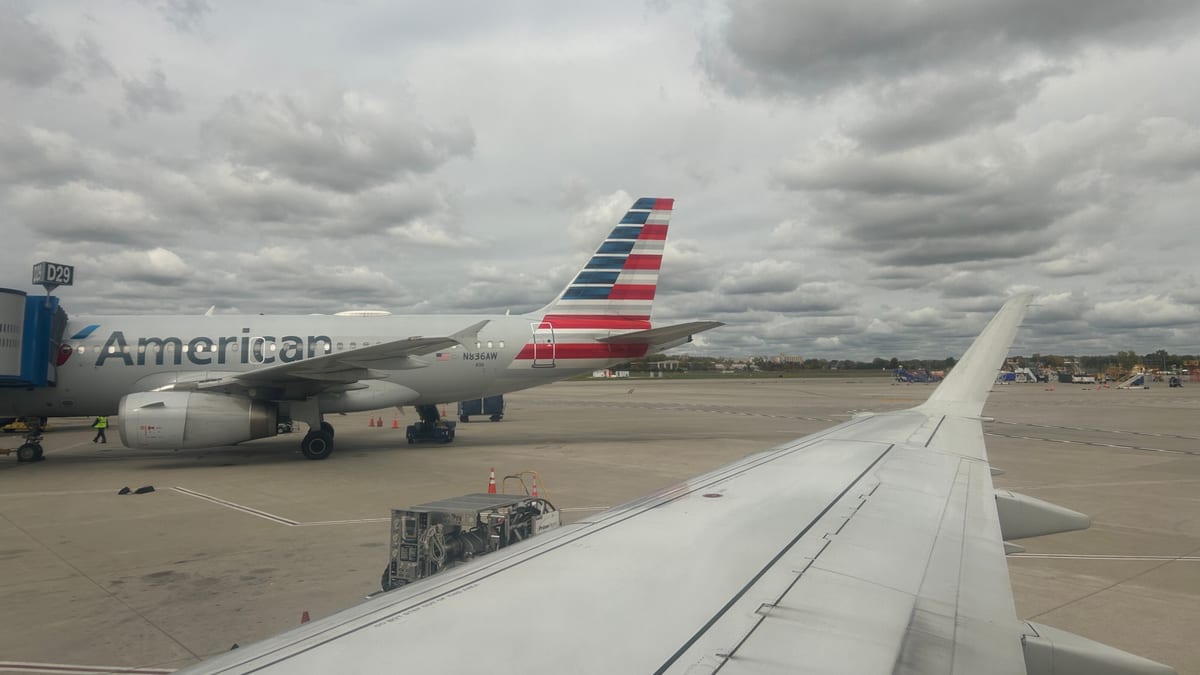
Image by TheTravel
Emergency Diversion to Detroit After Midair Disturbance
Publicly available flight data and media coverage indicate that American Airlines Flight 2819 was operating a scheduled service on Sunday when the crew requested a diversion to Detroit Metropolitan Wayne County Airport because of an unruly customer on board. The aircraft, which had been flying toward Boston, descended and taxied to a remote position after landing, where law enforcement met the flight.
Reports indicate that the situation began with a passenger screaming and creating a disturbance in the cabin, leading the crew to determine that continuing to the original destination was not advisable. Diversions of this kind are typically treated as safety-driven decisions, balancing the need to reach the nearest suitable airport with the need to maintain control of the cabin environment.
According to published coverage, the flight landed safely and there were no reported injuries linked to the disturbance. Passengers and crew were able to disembark in Detroit after law enforcement had secured the situation involving the disruptive individual.
FBI Presence and Passenger Accounts of a Long Gun
Local television reports and national outlets describe a sizable law enforcement response on arrival in Detroit, including police and federal agents. One widely shared passenger account referenced an agent carrying what was described as a “machine gun” while boarding the aircraft via the jet bridge. Imagery captured by travelers and shared with media appears to show a long gun consistent with a tactical rifle frequently used by specialized law enforcement teams.
These descriptions highlight how visible law enforcement equipment can shape passenger perceptions, particularly in the contained environment of an airport gate area or aircraft cabin. While the specific type of firearm has not been formally detailed in the publicly available reports, the presence of an armed response unit underscores the seriousness with which disruptive in-flight behavior is now treated.
Coverage of the incident notes that agents and airport police entered the aircraft to contact the passenger at the center of the disturbance. The individual was removed from the plane, and the remaining travelers were eventually able to continue their journeys after a delay while the aircraft and passengers were processed.
How Airlines Handle Unruly Passenger Incidents
The diversion of Flight 2819 fits into a broader pattern of strict responses to disruptive behavior on commercial aircraft. Aviation security guidelines in the United States emphasize that any behavior perceived as threatening to crew, passengers, or the safe operation of the flight can trigger intervention from law enforcement and, where necessary, a diversion.
Cabin crews are trained to de-escalate situations where possible, but when verbal outbursts turn into sustained screaming, aggression, or refusal to follow instructions, pilots may decide that an immediate landing is the safest option. In such circumstances, airlines typically coordinate with air traffic control and destination airports ahead of time so that police and federal agents are ready at the gate or on a remote stand.
Public information on similar incidents in recent years shows that disruptive passengers can face a range of consequences, including removal from the aircraft, potential criminal charges, civil penalties, and airline bans. The level of response often depends on whether the behavior interfered with crew duties, threatened violence, or forced a change in the flight plan.
Impact on Passengers and Operations
For the passengers aboard Flight 2819, the diversion to Detroit meant unexpected time on the ground and the stress of seeing an armed law enforcement presence at close quarters. Travelers described a tense atmosphere as the aircraft taxied to meet police and federal agents, followed by a period of uncertainty while the disruptive passenger was taken off the plane.
Operationally, an unscheduled diversion can disrupt airline schedules well beyond the single flight involved. Flight crews may approach their duty time limits, aircraft can be displaced from their intended route structure, and passengers may miss onward connections. Airlines generally work to rebook customers and restore affected aircraft to their planned rotations, but the knock-on effects can ripple through the network for hours.
Despite the inconvenience, many travelers tend to view decisive action as preferable when there is any question about safety or order in the cabin. High-profile law enforcement interventions, even when no physical harm occurs, serve as a reminder that disruptive behavior on board can carry serious implications for everyone on the flight.
Growing Scrutiny of In-Flight Misconduct
The episode involving Flight 2819 adds to a series of recent stories about unruly behavior in the air, from verbal altercations to attempts to interfere with aircraft doors or crew members. Aviation analysts note that although the vast majority of flights operate without incident, the minority that do experience serious disturbances often generate intense public interest because of the unique vulnerability of passengers and crew in flight.
According to publicly available federal enforcement data, regulators and law enforcement agencies have significantly increased attention on in-flight misconduct in recent years. Civil penalties, criminal prosecutions and airline cooperation on internal banning lists are all tools used to discourage behavior that could compromise safety.
For travelers, the diversion of Flight 2819 serves as another example of how quickly a routine journey can change when one passenger becomes disruptive. It also illustrates the extent of the response that can await an aircraft on landing, from airport police vehicles surrounding the plane to armed agents boarding with tactical equipment, all designed to restore order and reassure everyone else on board.