

More news on this day
Flight schedules at Mumbai’s Chhatrapati Shivaji Maharaj International Airport were heavily disrupted after a fire incident inside a terminal triggered evacuations, dense smoke and cascading delays across one of India’s busiest aviation hubs.
Get the latest news straight to your inbox!
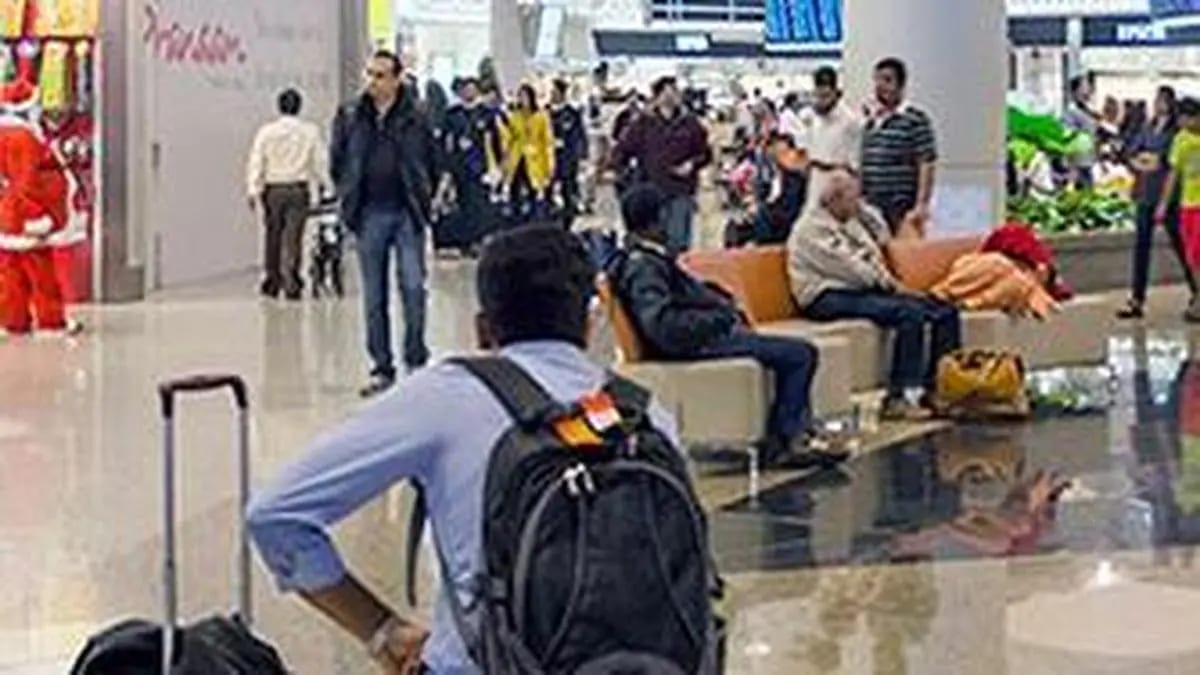
Incident Sends Smoke Through Crowded Terminal
Initial reports indicate the fire began in a commercial area of the terminal, with images shared on social platforms showing thick smoke spreading through parts of the departures concourse. Airport staff moved passengers away from the affected zone as alarms sounded and ventilation systems were activated to clear the air.
Publicly available information suggests the blaze was brought under control in a relatively short period, but the combination of smoke, power shutdowns in localized sections and mandatory safety checks forced a temporary halt to normal passenger movement. Several check in islands and security lanes closest to the affected area were closed while teams assessed possible damage.
There were no early indications of serious injuries, but the sudden disruption left many travelers waiting in crowded corridors and holding areas. With Mumbai already operating near peak capacity during busy travel periods, even a short interruption proved enough to unbalance flight operations through the rest of the day.
Images and videos circulating online also showed emergency vehicles positioned on the apron near the terminal, as aircraft movements were sequenced more conservatively while safety inspections continued inside.
Departures Hit Hard as Delays Ripple Through Network
Mumbai’s role as a major domestic and international hub meant the terminal fire quickly translated into broader schedule issues. Affected airlines temporarily paused boarding on some departures while staff worked through revised gate plans and awaited clearance to reopen nearby security lanes.
Published operational data indicated that departures from Chhatrapati Shivaji Maharaj International Airport experienced a sharp spike in delays following the incident, with some flights held at gates and others pushed back to later slots in the departure sequence. A smaller number of services were reportedly cancelled outright when revised timings no longer aligned with crew duty limits or onward connections.
The knock on impact extended well beyond Mumbai. Aircraft waiting to depart the city missed their planned arrival windows at other airports, creating minor congestion in locations such as Delhi, Bengaluru and key regional destinations. For carriers that rely on tight turnarounds, the lost time in Mumbai forced rescheduling of subsequent rotations throughout the evening.
Travel industry trackers noted that the disruption added to an already challenging period for airlines balancing strong demand with limited slack in their networks. With Mumbai operating primarily from a single active runway, there was little spare capacity to recover quickly once departure banks slipped behind schedule.
Passengers Face Long Queues, Missed Connections and Frustration
For passengers, the most immediate impact was felt inside the terminal. With security screening temporarily reduced and boarding gates reassigned, queues formed quickly at check in counters, security checkpoints and customer service desks as travelers tried to rebook or obtain information.
Reports from the scene described long lines stretching across the departures level, with families, business travelers and international visitors attempting to navigate changing gate displays and revised boarding times. Some connecting passengers arriving from elsewhere in India found that the delay left them with too little time to complete transfers to international flights, particularly those requiring immigration and additional security screening.
Travel advisors routinely recommend a buffer of several hours for connections through Mumbai, and the fire underscored why such margins are important. Passengers with tighter layovers were more likely to face missed onward flights and the need for overnight accommodation or rerouting, especially those booked on separate tickets.
Airlines at the airport began prioritizing assistance for vulnerable travelers, including those with infants, older passengers and individuals with reduced mobility, using available staff to organize meal vouchers, hotel placements and alternative itineraries where possible. Information screens and public announcements were updated as clearance was granted to reopen more of the affected terminal space.
Operational Recovery and Safety Checks Under Scrutiny
Once the fire was extinguished and smoke levels reduced, engineering and safety teams moved to inspect the terminal infrastructure, including ceiling panels, cabling, air conditioning ducts and nearby retail units. Publicly accessible coverage indicates that authorities focused on ensuring there was no lingering risk of electrical faults or structural damage before restoring full operations.
Partial reopening allowed some flights to depart with shorter delays, but it took several hours for the airport to work through the initial backlog. With Mumbai’s runway operating near maximum utilization, each delayed departure had to be slotted into an already dense sequence of arrivals and takeoffs, extending knock on effects into the late evening.
Aviation analysts noted that the incident highlights how vulnerable high volume hub airports are to localized problems inside terminal buildings. While the airfield itself remained safe for operations, any disruption that limits access to check in, security or boarding gates can sharply constrain how many passengers can be processed per hour, effectively reducing the airport’s usable capacity.
Recent discussions about congestion, planned terminal upgrades and the eventual opening of the new Navi Mumbai International Airport framed the fire as another reminder of the pressure on existing infrastructure. Industry observers suggested the episode will likely prompt a fresh review of fire detection systems, evacuation routes and contingency plans for commercial spaces attached to passenger areas.
Advice for Current and Upcoming Travelers Through Mumbai
In the hours following the fire, airlines and airport operators used digital channels and flight status tools to advise travelers to monitor their bookings closely. Travelers scheduled to depart from Mumbai within the same operating day were encouraged, through publicly shared advisories, to arrive early, allow extra time for check in and security, and be prepared for possible gate changes.
For those holding connecting itineraries through Mumbai, travel experts recommend checking whether minimum connection times remain realistic in light of residual delays. Where possible, passengers may benefit from rebooking onto later onward flights to reduce the risk of misconnection, particularly on long haul services that operate only once per day.
Prospective travelers planning journeys in the coming days are being advised in news reports to keep an eye on whether any aircraft or crew positioning issues continue to affect schedules. While most major disruptions of this kind are resolved within 24 to 48 hours, some early morning or late night flights can remain out of position for several rotations.
The fire incident ultimately serves as a reminder that even routine trips through a familiar hub can be affected by unexpected events. Flexible plans, adequate connection buffers and real time monitoring of flight status remain key tools for minimizing the impact of sudden disruptions at one of India’s busiest airports.