

More news on this day
Air travelers across North America are facing fresh disruption as a series of flight cancellations from Mexican airports, including Cancún, has reduced connectivity on routes to Bogotá, Monterrey, Dallas, Vancouver, San Francisco, Chicago, and several other major cities, affecting services by Viva Aerobus, United Airlines, Aeromexico, WestJet, and additional carriers.
Get the latest news straight to your inbox!
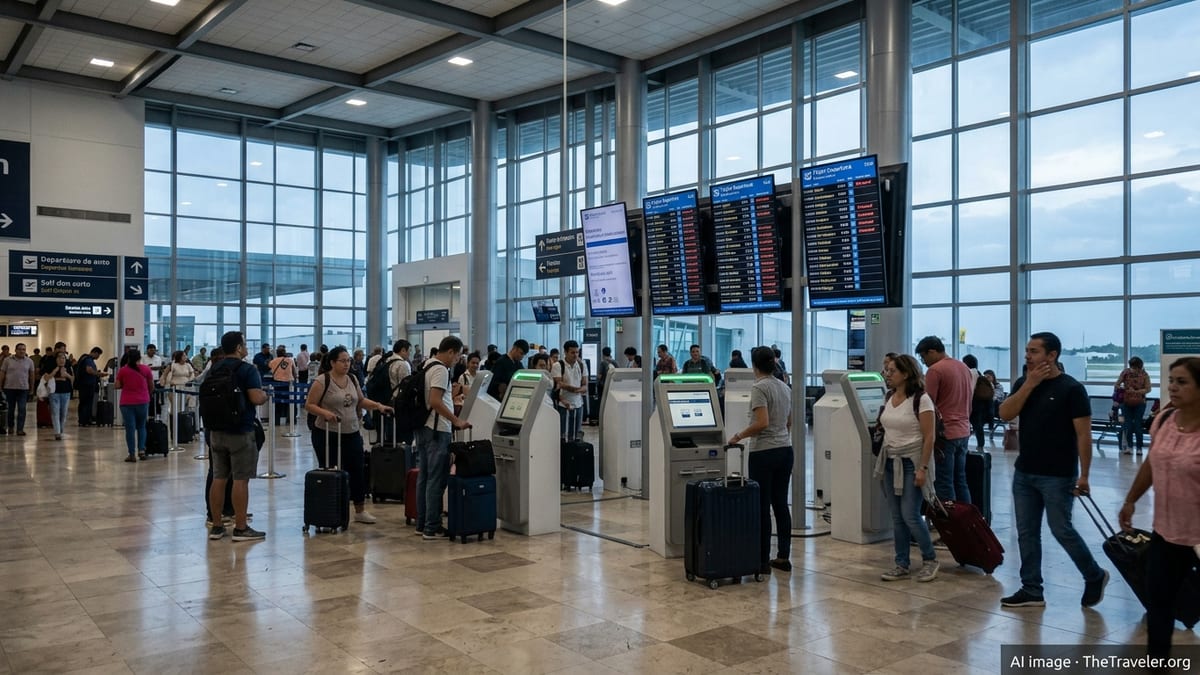
Disruptions Follow Weeks of Strain on Mexico’s Air Network
Recent unrest and security operations in western and central Mexico have already placed the country’s air transport network under sustained pressure, with published coverage highlighting cancellations and delays at multiple airports serving both domestic and international routes. Against this backdrop, a new round of schedule adjustments is now being felt across leisure hubs such as Cancún as well as major metropolitan gateways.
Publicly available information shows that airlines including United, Aeromexico, WestJet, and low cost carrier Viva Aerobus have all taken aircraft and crew off selected routes in recent weeks as they manage operational constraints and safety considerations. While many core services continue to operate, these cuts have reduced options for passengers traveling between Mexico and key cities in the United States, Canada, and South America.
Airline route data and timetable updates indicate that the latest changes are concentrated on newly launched or recently expanded services, particularly those designed to link Mexican resort destinations with secondary cities abroad. These flights are often marketed heavily at launch and then adjusted quickly when demand, security conditions, or operational costs shift, leaving travelers with limited advance warning.
For many passengers, the result is a patchwork of last minute cancellations, rerouted itineraries, and longer travel days, with some being forced to connect via Mexico City, Houston, or other hubs instead of flying nonstop from tourist gateways like Cancún.
Cancún Feels the Impact on New Links to Bogotá and North American Hubs
As one of Latin America’s busiest international airports, Cancún is highly sensitive to schedule changes by its airline partners. Airport traffic data and airline schedules list Viva Aerobus among the carriers that have recently marketed connections from Cancún to Bogotá, Monterrey, and a broad range of U.S. and Canadian cities. When a cluster of new or seasonal flights is withdrawn, entire travel plans can quickly unravel for visitors relying on those links.
Reports from recent travelers and publicly available route maps point to adjustments on services connecting Cancún with Bogotá and northern Mexican cities, which are frequently used as onward gateways to South America or to domestic destinations. When these flights are trimmed back or cancelled, travelers lose convenient same day connections and must often rebook through Mexico City or other intermediate hubs.
In the North American market, Cancún’s heavy reliance on cross border leisure traffic means that any reduction in lift from airlines such as United, WestJet, and their competitors can lead to crowded remaining flights and higher last minute fares. Cancellations on routes serving Chicago, Dallas, Vancouver, and other major cities have created knock on effects as stranded passengers compete for limited rebooking options over the coming days.
Travel industry observers note that even modest cuts can be disruptive when they target newly added frequencies or routes that operate only a few times per week. With fewer alternative departures, a single cancellation may strand travelers for 24 hours or more, particularly on routes where there is no immediate substitute on another carrier.
Viva Aerobus, Aeromexico, United, and WestJet Adjust Schedules
Mexico based Viva Aerobus and Aeromexico, along with United Airlines and Canada’s WestJet, are among the carriers most closely associated with the current wave of schedule reshuffling. Each airline has recently promoted growth on routes linking Mexican cities with North American and Latin American destinations, but operational realities are now reshaping some of those plans.
Viva Aerobus, which has aggressively expanded its network from hubs such as Monterrey and Cancún, has faced a combination of technical, operational, and demand related challenges, according to public traveler accounts and timetable changes. When a low cost carrier trims or temporarily suspends new flights, particularly on thinner routes like some links to Bogotá or secondary U.S. cities, passengers can be left with few direct alternatives.
Aeromexico and United, both major players in transborder traffic, have also been fine tuning their Mexico related schedules in response to broader regional disruption and shifting demand. Adjustments affecting flights from Mexican hubs to San Francisco, Chicago, and other U.S. cities have forced some travelers to accept longer connections or reroutes through alternative hubs, reducing the appeal of quick weekend or short break trips.
WestJet, which typically provides significant seasonal capacity between Canadian cities such as Vancouver and Mexican beach destinations, has already drawn scrutiny in recent months over operational reliability on sun routes. Additional cancellations on new or seasonal flights linking Canada and Mexico further complicate planning for travelers seeking winter and spring getaways.
Monterrey, Mexico City, and Other Hubs See Ripple Effects
While much attention focuses on Cancún, Mexico’s inland hubs are also experiencing ripple effects. Monterrey, Querétaro, and other fast growing airports rely heavily on point to point low cost services operated by Viva Aerobus and other carriers. When these networks are reshaped, connectivity to major cities such as Dallas, Chicago, and San Francisco can be affected overnight.
Published airport data underscores the role of Monterrey and surrounding airports as bridges between northern Mexico and U.S. business centers. Cancelling or consolidating new flights from these hubs to U.S. destinations often means that business travelers must shift to indirect routings or adjust meeting schedules, adding time and uncertainty to cross border trips.
Mexico City’s primary airports, which already handle dense traffic to Chicago, Dallas, and other U.S. hubs, have become default backstops for many rerouted passengers. However, this increased reliance can strain airport capacity and lead to further delays, particularly when weather or security events intersect with already tight schedules.
In some cases, travelers who had booked convenient same carrier itineraries via regional hubs like Monterrey are now being rebooked on mixed itineraries that combine low cost and full service airlines, raising questions about baggage handling, minimum connection times, and passenger rights when things go wrong.
Travelers Face Rebookings, Longer Journeys, and Changing Advice
The cumulative effect of these cancellations is being felt most directly by passengers who discover changes only days or hours before departure. Accounts shared on public forums describe last minute alerts, confusing rebooking options, and extended layovers as airlines try to re accommodate customers on remaining flights across Mexico, the United States, Canada, and Colombia.
Travel guidance from government agencies and consumer organizations increasingly emphasizes the importance of monitoring bookings closely, especially when flying on newly launched or low frequency routes. With Mexico’s aviation network undergoing rapid change and facing intermittent security and operational challenges, schedules published months in advance are more likely to shift.
Industry analysts point to a pattern in which airlines introduce ambitious new connections from Mexican leisure destinations to diversify their networks, then scale back or cancel select routes when demand, costs, or external events change the equation. For passengers, the practical implication is a heightened need for flexible tickets, comprehensive travel insurance, and contingency plans in case non stop flights are withdrawn.
As carriers including Viva Aerobus, Aeromexico, United, and WestJet continue to refine their schedules, travelers heading to or from Cancún, Monterrey, Bogotá, Dallas, Vancouver, San Francisco, Chicago, and other affected cities are being urged by publicly available advisories to verify flight status frequently, allow extra time for connections, and prepare for the possibility of sudden itinerary changes.