

More news on this day
Passengers at Hartsfield-Jackson Atlanta International Airport faced mounting disruption today as 11 flights were cancelled and 219 delayed, stranding travelers and snarling connections on some of the busiest domestic routes in the United States.
Get the latest news straight to your inbox!
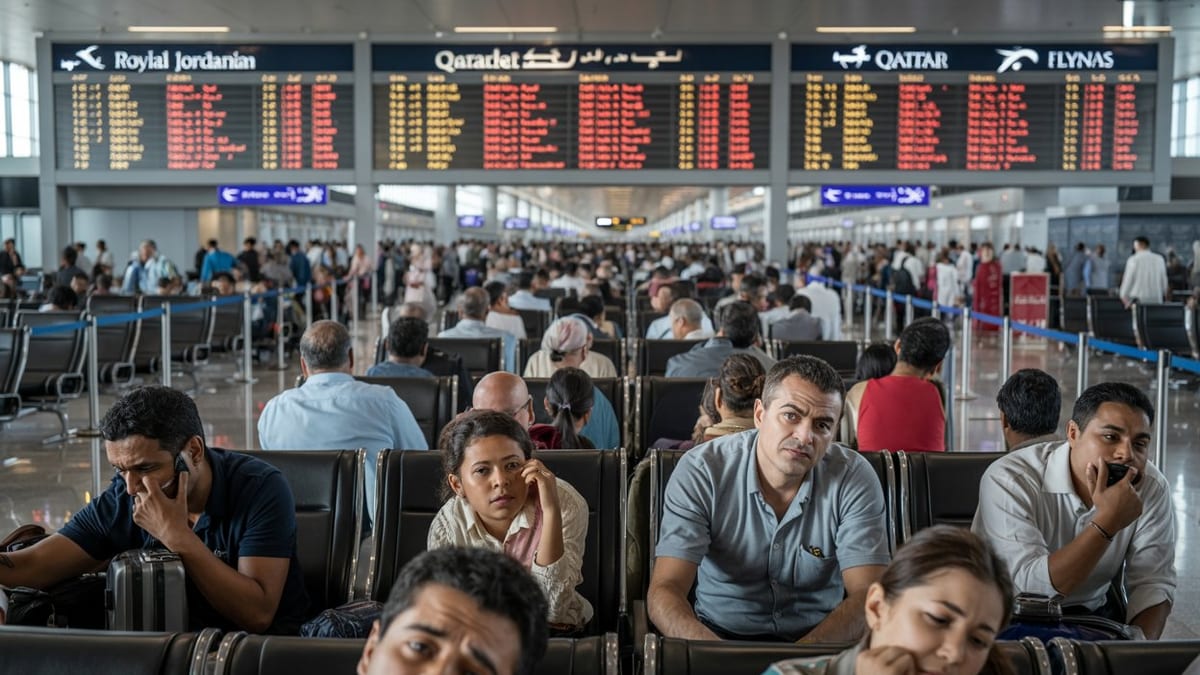
Image by Travel And Tour World
Major Carriers Hit as Disruptions Ripple Across the Network
Publicly available flight tracking data for Sunday, March 29, 2026, shows a fresh wave of operational disruption centered on Hartsfield-Jackson Atlanta International Airport, one of the world’s busiest aviation hubs. The tally of 11 cancellations and 219 delays affected departures and arrivals across multiple concourses, creating knock-on effects throughout the national air network.
Reports indicate that the latest disruption has touched several of the country’s largest carriers, including Delta Air Lines, American Airlines and Southwest Airlines, along with a mix of smaller domestic operators. With Atlanta serving as Delta’s primary hub and a key station for other airlines, even a relatively modest number of cancellations can translate into missed connections and extended layovers for thousands of passengers.
Flights to and from major destinations such as New York, Los Angeles, Chicago and Miami were among those affected, according to live status boards and aviation tracking platforms. Travelers heading for early afternoon departures reported rolling delay estimates, with departure times repeatedly pushed back as aircraft, crew and gate assignments were reshuffled.
While the number of outright cancellations remained limited compared with larger weather or systems events seen earlier in the year, the high volume of delayed departures meant that many passengers experienced significant schedule disruption, particularly those relying on tight connections through Atlanta.
Stranded Passengers Confront Long Waits and Missed Connections
The immediate impact for travelers in the terminal has been a familiar but frustrating mix of uncertainty and extended waiting. Passenger accounts shared on social media platforms and travel forums describe crowded gate areas, long lines at customer service counters and difficulty securing same-day alternatives after missed connections.
Because Atlanta functions as a central connecting point for domestic and international itineraries, the effect of even a small cluster of cancellations can quickly compound. Publicly available information shows that some travelers bound for New York and Chicago missed onward flights after earlier segments into Atlanta were delayed, while others heading to Florida and the West Coast reported being rebooked through secondary hubs later in the day.
Several posts referencing today’s operations mention travelers being offered rebookings that push arrivals into late-night or next-day timeframes, particularly on heavily booked routes. For some, hotel and meal arrangements depend on airline policies around controllable and uncontrollable disruptions, which vary by carrier and by the specific cause of delay.
Families traveling at the end of the spring break period appear to be among those most affected, with anecdotal reports of crowded concourses and limited same-day seat availability on popular leisure routes. With aircraft largely full at this time of year, finding spare capacity to absorb disrupted passengers remains a challenge across carriers.
Ongoing Strain From Staffing and Security Pressures
Today’s operational issues come on top of existing strain at Hartsfield-Jackson related to security screening and staffing. In recent days, local coverage and online discussion have highlighted prolonged Transportation Security Administration wait times at Atlanta, tied in part to a partial federal government shutdown and a rise in staffing shortages. These pressures have already prompted some airlines serving the airport to issue travel waivers for affected passengers.
Travelers heading to the airport today reported that they were leaving significantly earlier than usual in anticipation of long security lines, a pattern encouraged by recent public advisories suggesting arrivals at least four hours before departure. While the primary cause of each individual delay varies, the broader operational picture at Atlanta suggests that security bottlenecks, constrained staffing and already tight schedules leave little margin when irregular operations occur.
Earlier episodes this year, including winter weather and severe storms that disrupted hundreds of flights into and out of Atlanta, have underscored how quickly the system can become imbalanced. Industry observers note that when aircraft and crews are already stretched, any additional complication, from unexpected maintenance to air traffic flow programs, can trigger a wave of delays that takes much of the day to unwind.
Public data from aviation tracking services today reflects that pattern, with a concentration of delays during the morning and early afternoon periods gradually easing as airlines work through backlogs and reposition aircraft. However, some late-evening departures remain at risk if crews run up against duty-time limits or if earlier inbound flights arrive significantly behind schedule.
Key Routes to New York, Los Angeles, Chicago and Miami Affected
The disruption has been especially visible on trunk routes linking Atlanta with major coastal and Midwestern cities. Live departure and arrival boards show delayed services to New York area airports, including both primary and secondary fields, as well as to Los Angeles and Chicago, corridors that routinely rank among the busiest in the domestic market.
Flights to Miami and other South Florida destinations also experienced schedule changes, affecting both leisure travelers and those connecting to Caribbean and Latin American services. Even when flights ultimately depart, delays out of Atlanta can cause missed onward departures at downline hubs, resulting in additional rebookings and overnight stays away from home.
According to published operational data, many of today’s delays fall into the one to three hour range, long enough to disrupt plans but often short of the threshold for more extensive assistance such as hotel accommodation. That gap can leave passengers in a particularly difficult position, stuck in the terminal for extended periods while still technically traveling on the same-day itinerary.
Airlines are encouraging passengers, through general travel advisories and app notifications, to monitor their flight status closely, use self-service tools where available and consider rebooking options when significant delays appear likely. For those with flexibility, shifting to earlier or later flights on the same route may help avoid the peak of today’s disruptions.
What Travelers Through Atlanta Should Expect Next
Looking ahead to the rest of Sunday and into Monday, travel industry analysts expect some continued knock-on effects, particularly on early-morning departures that rely on aircraft and crews repositioned overnight. Published schedules show that Atlanta remains heavily banked at peak times, which can leave little room to absorb additional disruptions if weather or air traffic constraints develop.
Experienced travelers advise watching for rolling delays on connecting itineraries, where an initial short delay can grow over time and ultimately lead to a misconnection. Based on recent patterns at Hartsfield-Jackson, passengers with tight connections may want to consider asking about alternative routings if their first segment shows signs of extended delay.
Publicly available guidance from airlines and airport-focused travel resources continues to emphasize preparation. Recommendations commonly include building in extra time for security screening, traveling with essential items in carry-on baggage in case of unexpected overnight stays and ensuring that airline apps and notifications are activated for real-time updates.
For now, today’s 11 cancellations and 219 delays serve as another reminder of how sensitive the national aviation system is to disruption at a single major hub. With Hartsfield-Jackson at the center of so many domestic and international routes, even a relatively contained operational issue can leave thousands of travelers unexpectedly grounded in Atlanta or arriving hours later than planned at destinations across the United States.