

More news on this day
Hundreds of travelers were left in limbo at Minneapolis–St Paul International Airport as 271 flights were delayed and 41 canceled in a single day, disrupting itineraries for passengers bound for destinations across the United States and overseas.
Get the latest news straight to your inbox!
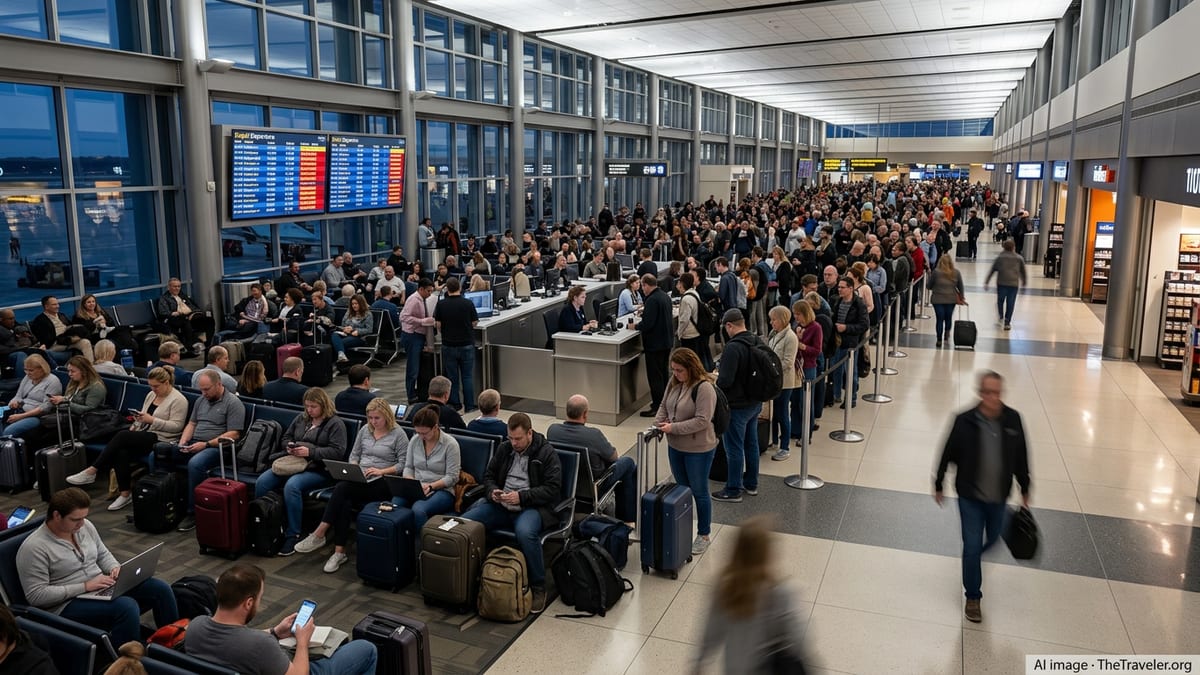
Major Disruptions Hit a Key Upper Midwest Hub
The disruption unfolded at Minneapolis–St Paul International Airport, a major hub for Delta Air Lines and home base for Sun Country Airlines, which connects the Upper Midwest to cities across North America and beyond. As one of the country’s busiest midcontinent gateways, Minneapolis–St Paul often serves as a critical connecting point for travelers heading to the West Coast, East Coast, the South, and transborder destinations.
Publicly available flight-tracking data showed operations at Minneapolis–St Paul heavily constrained, with departure and arrival boards dominated by late departures and rolling gate changes. The tally of 271 delayed flights and 41 cancellations translated into hours-long waits for many passengers, while others saw their plans collapse entirely as evening departures were scrubbed.
The timing of the disruption amplified its impact. With many travelers relying on the airport for work trips, family visits, and international connections, even modest schedule shifts cascaded into missed meetings, forfeited hotel nights, and rebooked itineraries through already busy alternate hubs such as Chicago, Denver, and Atlanta.
As the delays accumulated, concourses at Minneapolis–St Paul grew increasingly congested. Seating near gate areas and power outlets filled quickly, and food outlets reported lengthy queues as travelers waited out extended ground times, some monitoring departure screens that changed from delay to cancellation late in the day.
Stranded Travelers Face Long Lines and Limited Options
Reports from the airport described lines snaking through ticketing halls and customer-service desks as stranded travelers sought new routing options or overnight accommodations. With 41 flights canceled, particularly in the late afternoon and evening periods, rebooking became more challenging as remaining seats on later departures and next-day flights dwindled.
Passengers with nonstop flights affected by cancellations were often rebooked on connecting itineraries, stretching what might have been a two- or three-hour journey into daylong odysseys. For some, the only available options involved overnight stops in other cities or departures days later, especially on routes with limited daily service.
Nearby hotels around Minneapolis–St Paul, already popular with connecting and early-morning travelers, experienced a surge in same-day demand. Travelers who could not secure accommodation close to the airport turned to downtown Minneapolis or St Paul, while others opted to remain in the terminals overnight in the hope of standby seats on early departures.
Families traveling with children and international passengers with tight visa or onward-connection constraints faced particularly complex challenges. Missed long-haul flights from other hubs, such as New York or Seattle, became more likely once originating segments from Minneapolis–St Paul slipped beyond key connection windows.
Ripple Effects Across Domestic and International Routes
The disruption at Minneapolis–St Paul had effects far beyond Minnesota. As delayed aircraft departed late or were reassigned to different rotations, knock-on delays appeared at airports across the country. Travelers bound for warm-weather destinations, coastal business centers, and popular leisure spots reported extended ground holds and late-night arrivals as aircraft originating in Minneapolis–St Paul reached their onward legs behind schedule.
International connections also came under strain. Minneapolis–St Paul functions as a jumping-off point for transatlantic and transpacific journeys, with many passengers connecting through larger coastal hubs. When the first leg of a multi-segment trip departed late or was canceled outright, travelers risked missing tightly timed onward flights and facing rebooking challenges on busy long-haul routes.
According to published coverage and aviation analytics data, similar disruptions at major hubs can quickly spread through an airline’s network, particularly when aircraft and crew schedules are tightly synchronized. Once delays surpass certain thresholds, it becomes increasingly difficult to restore normal operations without canceling flights outright to reset the system.
For Minneapolis–St Paul, that pattern appeared to be playing out as the day wore on, with early and mid-day delays giving way to a cluster of late-day cancellations as airlines adjusted their schedules to protect next-morning departures and reposition aircraft.
Airlines Emphasize Flexibility Policies and Digital Tools
Public information from airlines serving Minneapolis–St Paul highlighted change-fee waivers and flexible rebooking options for travelers affected by delays and cancellations. Many carriers now encourage passengers to make changes through mobile apps or websites, which can provide real-time seat availability and alternative routing options without requiring a visit to a customer-service desk.
Travel experts note that in large disruption events, travelers who can self-service through digital tools may have a better chance of securing scarce seats on remaining flights. Same-day changes to nearby airports, such as Fargo, Duluth, Rochester, or Sioux Falls, can also open up additional options for those willing to drive several hours to complete their journey.
According to publicly available airline policies, affected travelers may be eligible for meal vouchers, hotel accommodations, or ground-transportation support depending on the cause of the disruption and the carrier involved. However, these benefits can vary significantly between airlines and are often limited when delays stem from factors categorized as outside the carrier’s control.
Travelers caught up in the Minneapolis–St Paul disruption were advised by consumer advocates, through published guidance, to retain receipts for out-of-pocket expenses, document delays and cancellations, and review each carrier’s customer-service commitments once they reached their destination.
What Travelers Can Learn for Future Trips Through MSP
The events at Minneapolis–St Paul underscore how quickly conditions at a major hub can deteriorate and how far-reaching the consequences can be for passengers traveling across the country and abroad. Even on clear-weather days, tight aircraft rotations, airspace congestion, and operational bottlenecks can trigger a chain of disruptions felt across an airline’s network.
For future trips, travelers connecting through Minneapolis–St Paul may benefit from building longer layovers into complex itineraries, especially when onward flights involve international segments or last departures of the day. Booking earlier flights can provide more cushion for rebooking if problems arise, while travel insurance with disruption coverage can help offset unplanned hotel or meal costs.
Monitoring flight status closely in the 24 hours before departure, enrolling in airline text or app notifications, and familiarizing oneself with alternate routes through neighboring hubs can also improve resilience when schedules unravel. Travelers with essential engagements at their destination may choose to fly a day earlier during peak seasons to reduce the risk that a single day of disruption derails time-sensitive plans.
As operations at Minneapolis–St Paul normalize, the experience of hundreds of stranded travelers serves as another reminder that even well-connected, high-performing airports are vulnerable to sudden breakdowns in the fragile choreography of modern air travel.