

More news on this day
Easter holidaymakers across Europe are facing severe disruption as mounting delays and cancellations at Frankfurt and London airports ripple through already‑strained airline and air traffic networks.
Get the latest news straight to your inbox!
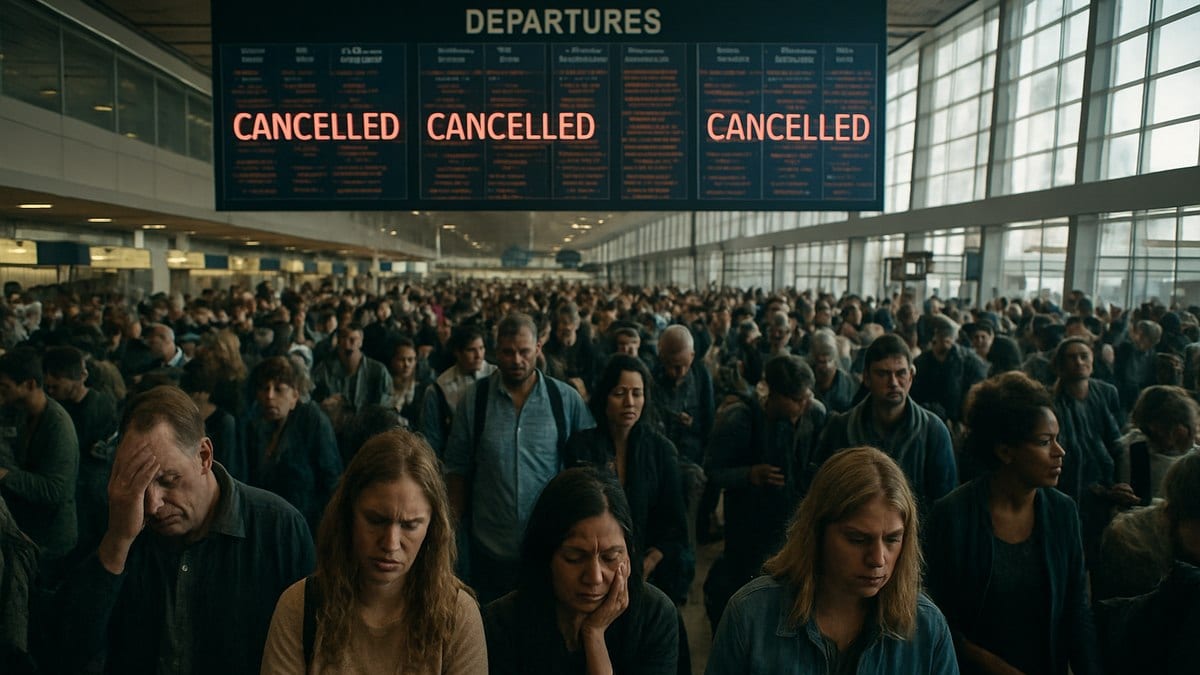
Frankfurt and London Heathrow at the Center of Easter Turmoil
Frankfurt Airport and London Heathrow have emerged as two of the hardest‑hit hubs as the Easter travel rush collides with a fresh wave of operational problems. Data compiled by passenger‑rights platforms and aviation trackers for March and early April 2026 shows hundreds of delays and dozens of cancellations concentrated at these major gateways, disrupting both short‑haul and long‑haul traffic.
Frankfurt, Lufthansa’s main long‑haul base, has been repeatedly flagged in disruption reports throughout March, with one Europe‑wide snapshot citing it among the airports logging the highest number of delayed and cancelled services. London Heathrow, the busiest airport in the United Kingdom, has recorded days where more than 300 flights were delayed, creating long queues at security and overwhelmed rebooking desks as the Easter getaway peaked.
As airlines tried to operate near full holiday schedules, even relatively minor timetable slippages quickly cascaded into missed connections and aircraft and crew being out of position. Reports from European travel trackers describe departure boards in Frankfurt and London filled with rolling delay updates, while passengers faced uncertainty over when they would be able to reach final destinations in North America, Asia and the Middle East.
The strain has been amplified by the role both airports play in Europe’s wider network. Frankfurt is a key transfer point for central and eastern Europe as well as intercontinental routes, while Heathrow is a primary hub for transatlantic traffic. Disruption at either location therefore has an outsized effect, with a single cancelled rotation often affecting several onward flights and leaving aircraft stranded away from their scheduled bases.
Lufthansa Easter Strike Deepens Disruption at German Hubs
Travel difficulties around Frankfurt intensified as a new strike by Lufthansa cabin crew coincided with the Easter return period. Publicly available information from airline and industry briefings indicates that more than 500 flights were cancelled across Frankfurt, Munich and several regional airports in Germany as part of the latest wage and conditions dispute.
The stoppage was centered on Lufthansa and its regional unit Lufthansa CityLine, hitting the dense network of European and domestic feeder flights that usually connect passengers into long‑haul departures. With that web of connections fractured, many travelers arriving at Frankfurt from smaller European cities found their onward flights already cancelled or heavily delayed, forcing overnight stays or extensive re‑routing.
The walkout followed earlier industrial action involving Lufthansa staff earlier in 2026, contributing to a sense of accumulated strain in the German carrier’s schedules. Travel analysis sites tracking the impact of the March strikes reported that Munich suffered triple‑digit cancellation figures in one episode, while Frankfurt recorded some of the highest delay rates among major European hubs.
For Easter passengers, the timing proved especially disruptive. The strike fell just as many families and returning workers were attempting to get home before the end of school holidays, sharply reducing spare capacity on alternative flights. Rebooking options on competing airlines from Frankfurt and Munich quickly filled, leaving some travelers facing multi‑day waits or complex re‑routes via secondary hubs.
Storms, System Strain and Knock‑On Effects Across Europe
The latest problems at Frankfurt and London come on top of a month of wider European flight chaos linked to industrial action, air traffic control constraints and adverse weather. March reports from passenger‑rights organizations recorded more than 1,000 disrupted flights in a single day across the continent, with Frankfurt and London repeatedly appearing among the worst‑affected airports.
Meteorological agencies and transport bulletins highlight that the late‑season storm pattern in March and into the Easter period brought strong winds, heavy rain and, in some regions, snow, triggering air traffic flow restrictions and runway closures. These conditions forced airlines to reduce frequencies, hold departures on the ground and divert aircraft, particularly at tightly scheduled hubs such as Heathrow.
Industry analysis published in recent weeks notes that when such weather strikes at capacity‑constrained airports, even a relatively short closure window can cause hours of knock‑on delays. Aircraft arrive late from previous sectors, crews exceed allowable working hours and maintenance windows are compressed, all of which further undermines schedule resilience. With Easter demand pushing load factors high, the system had little room to absorb disruption.
The problems have not been confined to Europe. Aviation data shared by global travel outlets shows that Easter weekend produced tens of thousands of delays worldwide, with congestion at US airports adding pressure on transatlantic operations. Flights arriving late into London or Frankfurt from North America or Asia have in turn missed their onward departure slots, lengthening queues for takeoff and forcing last‑minute rescheduling.
Passenger Impact: Missed Connections, Costly Rerouting and Crowded Terminals
For travelers, the combined effect of strikes, storms and structural bottlenecks has been felt most acutely in missed connections and unexpected overnight stays. Frankfurt’s role as a key transfer point for routes between Europe and Asia means that disruption there can sever entire travel chains, with passengers stranded mid‑journey as their second or third leg is cancelled.
Accounts described in travel advisories and consumer forums depict crowded terminals at both Frankfurt and Heathrow, with long lines at customer service counters as passengers attempted to secure hotel vouchers, meal coupons and alternative routing. In some cases, information on airline apps lagged behind airport departure boards, leaving travelers uncertain about whether to remain in queues or proceed to gates.
The financial impact has also been significant. Travel insurance specialists note that policies including missed‑connection or trip‑interruption coverage have been heavily tested, as travelers seek reimbursement for hotel stays, replacement tickets and additional ground transport. At the same time, fare data from booking platforms indicates that remaining seats on alternative routes during the Easter peak often priced sharply higher, making same‑day rebooking costly for those not covered by airline waivers or insurance.
Families and leisure travelers have been among the most affected groups, as many journeys were tied to fixed school holiday windows and non‑refundable accommodation at destination. For some, the disruption meant shortened stays, lost prepaid activities or, in the most severe cases, abandoned trips when onward connections could not be secured in time.
What Travelers Can Expect in the Coming Weeks
Analysts tracking European aviation performance caution that the aftershocks of the Easter disruptions may persist beyond the holiday itself. Aircraft and crew positioning can take several days to normalize after a major wave of cancellations, and any further weather or industrial action would risk new pockets of disruption at already stressed hubs such as Frankfurt and London.
At the same time, published commentary from travel experts suggests that airlines and airports are taking short‑term steps to rebuild resilience. These include deploying reserve aircraft where available, extending operating hours within regulatory limits at some airports and adjusting schedules to create slightly longer turnaround times that can absorb minor delays without cascading through the day.
For passengers planning to travel through Frankfurt or London in the weeks after Easter, advisory notices recommend monitoring bookings closely, especially for itineraries involving tight connections or multiple carriers. Travelers are encouraged by consumer organizations to use airline apps and sign up for flight alerts, and to consider routing with additional buffer time when connecting through the most disruption‑prone hubs.
With the busy summer season only months away, the recent chaos is likely to renew debate within the European aviation sector over staffing levels, infrastructure investment and the capacity of air traffic management systems. For now, however, those passing through Frankfurt and London are being urged by travel commentators to prepare for the possibility that Easter’s turbulence in the skies may not yet be fully over.