

More news on this day
Travelers across Asia and the Gulf are facing fresh disruption as Chinese airlines cancel 54 flights on key China–Gulf corridors, compounding an already fragile regional aviation network hit by airspace closures and capacity constraints.
Get the latest news straight to your inbox!
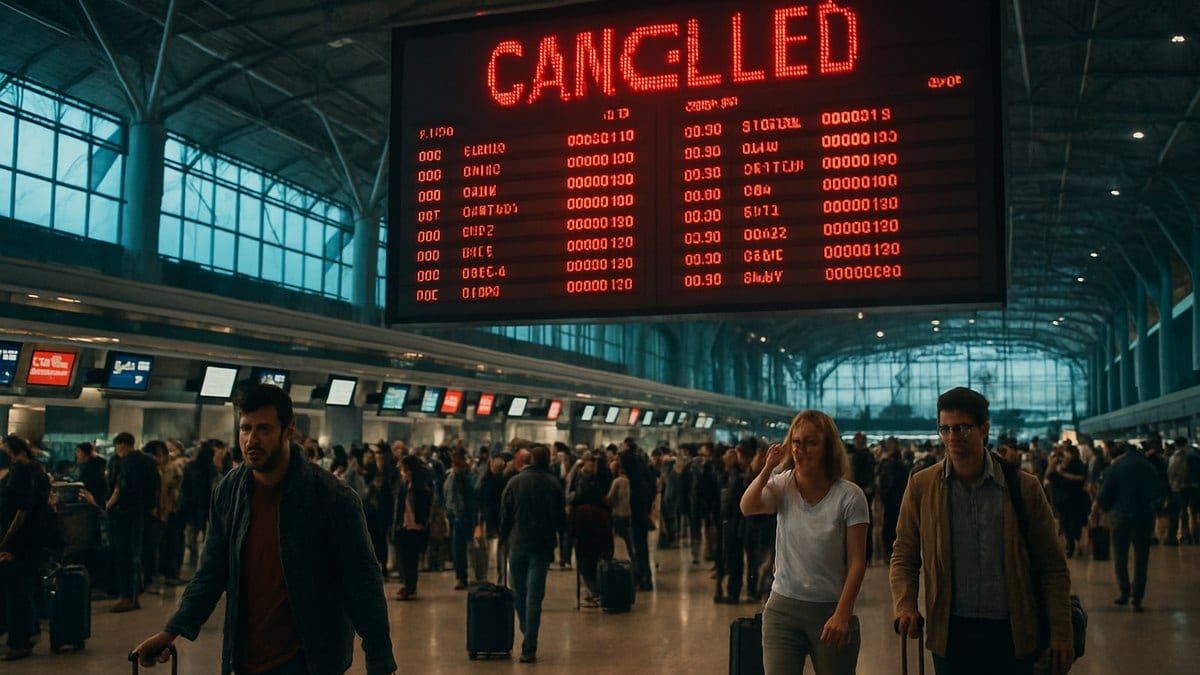
China–Gulf Cancellations Add New Strain To A Fragile Corridor
Publicly available operational data and industry tracking indicate that Chinese carriers have withdrawn 54 scheduled flights on Asia–Gulf routes over recent days, affecting services linking mainland hubs with key airports in the United Arab Emirates, Qatar, Bahrain and Saudi Arabia. The cuts follow weeks of turbulence for airlines using Gulf hubs to connect Asia with Europe and Africa, as regional tensions and shifting airspace restrictions continue to ripple through global schedules.
The latest cancellations sit on top of broader disruption across Asia and the Middle East. Aviation analytics cited in recent coverage show that thousands of Middle East related flights have already been grounded since early March as carriers adjust to temporary airspace closures and precautionary rerouting over conflict zones. For travelers relying on the Gulf as a transit bridge between East Asia and Europe, the loss of additional Chinese operated frequencies further reduces already limited options and increases the likelihood of missed connections.
While Chinese airlines are maintaining many core links, the removal of these 54 services represents a targeted pullback on routes where operational complexity and geopolitical risk are currently highest. Industry observers note that this reinforces a wider trend in which Asia–Gulf capacity is being reshaped day by day, with schedules subject to rapid revision.
Reports from regional airports suggest that the impact is particularly visible at major Gulf hubs that depend heavily on transfer traffic from East Asia. Reduced inbound capacity from China not only disrupts point to point travel, but also limits onward connections to Europe, North America and Africa that are typically fed by these services.
Airspace Closures And Rerouting Drive Operational Uncertainty
The wave of cancellations by Chinese carriers is closely linked to an unsettled airspace picture stretching from the eastern Mediterranean across Iran and Iraq to the Gulf. According to published coverage by aviation specialists, temporary closures and restrictions in several Middle Eastern flight information regions have forced airlines to redesign routings, add flying time and, in some cases, suspend operations altogether on specific corridors.
For Chinese airlines operating long haul services from cities such as Beijing, Shanghai and Guangzhou to Dubai, Doha or Riyadh, these constraints can quickly erode the commercial viability of marginal routes. Longer flight times increase fuel burn and crew duty hours, while congestion along remaining open corridors narrows the number of usable slots. When schedules are already tight, even minor additional delays can push aircraft and crew rotations beyond regulatory limits, triggering knock on cancellations.
Analysts cited in recent trade and mainstream media reports describe the current situation as one of the most complex routing environments since international travel began recovering from the pandemic. Gulf carriers have grounded or reduced frequencies on a wide range of routes, and Asian airlines have followed with their own targeted cuts. Chinese operators are now among the latest to pare back selected Gulf flights as they work around the same constraints.
Operational data from flight tracking platforms shows that many Asia–Gulf journeys that do continue to operate are taking longer flight paths that skirt conflict affected airspace. For passengers, that can mean extended overnight sectors, tighter connection windows on arrival and higher risk of missed onward flights even when the original service is not canceled.
Passengers Confront Cancellations, Delays And Longer Journeys
The cancellation of 54 Chinese operated flights on Asia–Gulf routes translates directly into disrupted travel plans for thousands of passengers. Those most affected include travelers flying between China and the Gulf for business, labor migration flows between Asia and the Middle East, and tourists using Gulf hubs as transit points for holidays in Europe or Africa.
Reports from consumer focused aviation platforms show that on some of the busiest days of recent disruption, regional airports in Asia have recorded hundreds of cancellations and delays across multiple carriers. In that context, the loss of Chinese frequencies to and from Gulf hubs adds another layer of complexity, particularly for travelers who booked itineraries months in advance on the assumption of stable schedules.
Passengers arriving at Chinese and Gulf airports are encountering a mix of same day cancelations, substantial delays and last minute rerouting via alternative hubs such as Singapore, Bangkok or Kuala Lumpur. For those on tight schedules, this can result in missed events, additional accommodation costs and challenges in rebooking during peak travel periods when remaining seats are scarce.
Travel industry commentary indicates that some airlines have been prioritizing rebookings on their own metal where possible, while others have turned to interline agreements to move stranded passengers via secondary hubs. However, with overall capacity through the Gulf reduced, travelers may find that the only available options involve significant detours or departures several days later than originally planned.
Pressure Mounts On Fares, Capacity And Airline Strategy
The withdrawal of 54 Chinese flights on Asia–Gulf routes is expected to tighten seat supply on already constrained corridors, with implications for airfares and broader airline strategy. Market monitoring by aviation consultancies in recent weeks has pointed to rising yields on many Asia–Europe markets routed through the Gulf, as reduced capacity collides with resilient demand from corporate travelers and migrant worker traffic.
With Chinese carriers trimming Gulf services at the same time as key Middle Eastern airlines manage their own disruptions, some industry analysts expect further upward pressure on prices in the short term. As fewer nonstop or one stop options remain, travelers may be forced onto more circuitous routings via secondary hubs, often at higher fares and with longer total journey times.
For Chinese airlines, the cancellations appear to be part of a broader recalibration of long haul networks. Public reports on recent capacity moves show cuts not only in the Middle East, but also adjustments on certain Northeast Asia and transpacific routes as carriers respond to shifting demand and cost structures. Reducing exposure to volatile Gulf corridors may allow resources to be redeployed toward more stable or higher yielding markets in the near term.
Industry observers note that while some of the withdrawn Asia–Gulf flights could return if regional tensions ease and airspace normalizes, airlines are likely to wait for clearer visibility before committing aircraft and crews back to affected routes. In the meantime, the Middle East’s role as a bridge between China and Europe will depend heavily on how quickly carriers can restore predictable, commercially sustainable operations.
What Travelers On Asia–Gulf Routes Should Expect Next
Given the cancellation of 54 Chinese flights and ongoing uncertainties in Middle Eastern airspace, travelers planning trips between Asia and the Gulf in the coming weeks are being advised by travel industry outlets to prepare for continued volatility. This includes the possibility of further last minute schedule changes as airlines respond to evolving risk assessments and regulatory guidance.
Consumer aviation reports recommend that passengers build extra time into itineraries that rely on Gulf connections, especially when onward flights involve long haul sectors to Europe or North America. Choosing longer layovers, where possible, can create a buffer against upstream delays on China–Gulf legs that might otherwise jeopardize tight connections.
Travel agents and online booking platforms are also highlighting the value of flexible tickets and clear rebooking policies in the current environment. As airlines across Asia and the Middle East continue to fine tune schedules, travelers holding restrictive fares may find it more difficult or costly to adjust plans when flights are rescheduled or canceled.
While many observers emphasize that Asia–Gulf travel remains broadly possible, the cancellation of dozens of Chinese services underlines how quickly conditions can change. Until regional airspace stabilizes and carriers regain confidence in the reliability of their long haul rotations, passengers on these corridors are likely to face a more unpredictable experience than in pre crisis years.