


More news on this day
Thousands of travelers across India are facing last-minute disruption as a wave of flight cancellations by major carriers, including Air India Express, IndiGo and British Airways, hits routes linking cities such as Srinagar, Mumbai and Ahmedabad with key hubs like London Heathrow.
Get the latest news straight to your inbox!
Multiple Airlines Trim Schedules Amid Ongoing Turbulence
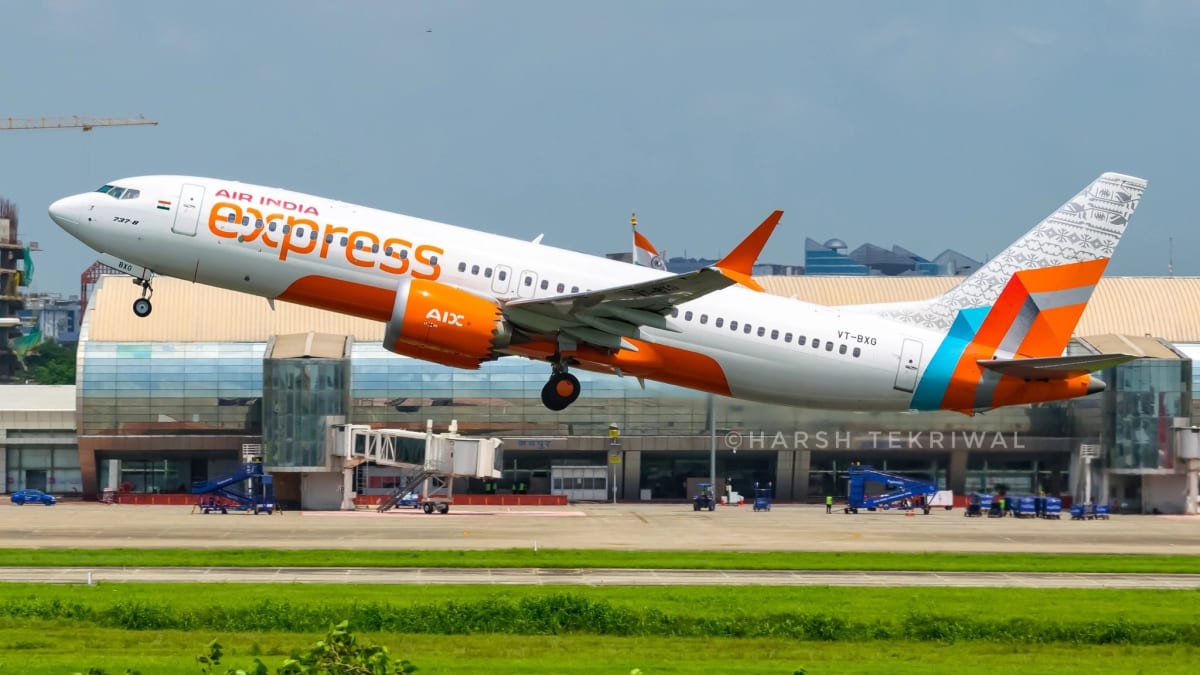
Recent schedule data and published coverage indicate that several large carriers serving India have cut or reshaped services on key domestic and international routes, leaving passengers scrambling to rebook or reroute journeys. IndiGo and Air India Express have continued to feature prominently in disruption reports after earlier periods marked by mass cancellations and delays across their networks.
IndiGo in particular has faced sustained scrutiny since a wave of flight cancellations in late 2025 and early 2026, when the airline dropped thousands of services, stranding travelers across major hubs including Delhi, Mumbai and Bengaluru. Publicly available information from India’s competition regulator shows that the scale of disruption triggered a formal investigation into the carrier’s practices following roughly 4,500 cancellations in the first weeks of December alone.
Operational data and airport notices also show that Air India Express has been involved in recent localised disruption, including at airports where infrastructure incidents temporarily restricted runway access. At one key regional base, more than a dozen arrivals and departures by Air India Express and other carriers were pulled from schedules after the runway was declared unavailable, compounding existing pressures on India’s already stretched aviation network.
These interruptions have intensified a sense of uncertainty among travelers, with many reporting sudden schedule changes, rolling delays and limited options to switch to alternative flights, particularly on shorter domestic sectors feeding into long-haul services.
London Heathrow Links Under Pressure
Connections between India and London Heathrow are also feeling the strain, with both Indian and UK carriers adjusting services in response to a volatile global backdrop. Flight-status data shows that certain British Airways rotations on the busy Mumbai to Heathrow corridor have dropped from day-of-travel schedules on selected dates, leaving gaps where a daily service once appeared more predictable.
At the same time, publicly available timetables from Air India show that the flag carrier has been adding extra London Heathrow flights in bursts to manage demand displaced from disrupted West Asia routes. In March, the airline scheduled dozens of additional international services, including extra Boeing 787 rotations between Delhi, Mumbai and Heathrow, in an effort to absorb passengers affected by cancellations elsewhere and to support broader repatriation efforts.
Reports from UK media also point to broader headwinds for Heathrow-bound traffic. Passenger statistics published by the airport show that demand dipped in recent weeks as the ongoing conflict in the Middle East and concerns about aviation fuel supplies triggered a wider pattern of cancellations and extended routings. Industry analysis cited in British coverage notes that carriers operating from the UK have lobbied for more flexibility to cancel flights without losing valuable takeoff and landing slots, a move that can further reduce certainty for long-haul travelers.
The result for passengers in India is a patchwork of capacity on the India–London corridor. On some days, additional Air India flights ease the strain; on others, the absence of specific British Airways services and lingering volatility related to the regional security situation mean fewer choices and fuller cabins on the flights that do operate.
Domestic Chokepoints in Srinagar, Mumbai and Ahmedabad
Inside India, a series of local chokepoints has compounded the international disruption, particularly for travelers relying on domestic connections to reach long-haul departures. Recent coverage of IndiGo’s operational reset highlighted how airports such as Mumbai and Ahmedabad saw dozens of cancellations in a single day, with Ahmedabad alone at one point accounting for more than 80 scrapped services as the airline attempted to stabilise its network.
Further north, Srinagar and other gateway airports in Jammu and Kashmir have periodically seen clusters of cancellations as airlines respond to changing security assessments and operational constraints. A previous travel advisory period saw IndiGo and Air India cancel all flights to and from Srinagar and several other northern cities on a single day, citing the need to prioritise passenger safety. While such shutdowns are often short-lived, they can leave travelers stranded or separated from connecting flights for 24 hours or more.
Infrastructure incidents have also played a role. In western India, a recent runway issue at a key shared civil and military airport temporarily halted operations and led to the cancellation of more than 80 flights across airlines, including multiple IndiGo and Air India Express services. The sudden loss of capacity forced airlines to thin out schedules at short notice, while passengers already at the airport were left waiting for updated guidance.
For many travelers, these domestic disruptions are particularly destabilising when they affect feeder flights into international hubs such as Delhi and Mumbai. Missed connections can cascade into multi-day delays, especially when onward flights to Heathrow or other long-haul destinations are already operating with reduced frequencies.
Stranded Passengers Face Limited Options and Confusing Guidance
The combined effect of international and domestic cancellations has been a wave of stories from passengers stuck in transit hotels, crowded terminals or remote hometowns far from their intended departure point. Reports from Indian and international media describe confused travelers queuing for rebooking desks, struggling to secure timely information on revised departure times, and in some cases paying out of pocket for last-minute tickets on competing airlines.
Analysts note that India’s aviation market, while one of the fastest growing in the world, remains relatively concentrated in the hands of a few large carriers. When one of those operators runs into operational difficulties or pares back schedules on a key route, there are often limited spare seats elsewhere, especially during school holidays and festival periods. That scarcity amplifies the impact of each cancellation, quickly turning a schedule adjustment into a wider access problem for travelers.
Published guidance from airlines typically encourages passengers to monitor flight-status tools and mobile apps closely, and in some cases offers options such as fee-free rescheduling or vouchers when flights are cancelled outright. However, traveler accounts suggest that access to these remedies is uneven, with some customers reporting long wait times on call centers and others saying they received notification of changes only after arriving at the airport.
Consumer advocates in India have argued that the recent pattern of disruptions underscores the need for clearer communication obligations and more robust compensation frameworks in line with regimes seen in other large aviation markets. For now, though, stranded travelers often find themselves relying on informal networks, social media updates and airport announcements to piece together their next steps.
What Travelers Should Watch in the Coming Days
Looking ahead, operational bulletins and schedule updates suggest that conditions may remain changeable for travelers moving through India and key international hubs such as London Heathrow. The broader geopolitical backdrop in the Middle East continues to influence routing decisions, flying times and fuel planning, while ongoing investigations and regulatory reviews in India are keeping pressure on airlines that have struggled to maintain reliable schedules.
Industry observers recommend that anyone planning to travel on routes touching Srinagar, Mumbai, Ahmedabad or other secondary Indian airports build extra time into their itineraries and maintain flexible onward plans where possible. This is especially important for journeys that depend on tight connections onto long-haul flights to destinations such as London, Frankfurt or Toronto, where same-day rebooking options can be scarce if things go wrong.
Travelers are also being urged by published advisories to check their flight status repeatedly in the 24 hours before departure, rather than relying solely on initial booking confirmations. Given the pattern of late schedule changes, additional checks on airline apps, airport displays and carrier announcements can reduce the risk of unexpected trips to the airport.
While airlines such as Air India are periodically adding extra services on high-demand routes to clear backlogs, and carriers including IndiGo and Air India Express are working to normalise operations after recent shocks, the immediate outlook remains fragile. Until the network stabilises and wider geopolitical tensions ease, passengers heading to and from India, including those bound for London Heathrow and other major hubs, are likely to face an elevated risk of last-minute changes and the possibility of being left temporarily isolated far from their intended destination.