

More news on this day
Passengers traveling through Albuquerque International Sunport on Thursday, April 9, faced a fresh wave of disruption as Southwest Airlines and Delta Air Lines suspended six flights and reported multiple delays on routes linking New Mexico to major hubs including Dallas, Atlanta, Los Angeles, Denver and Chicago.
Get the latest news straight to your inbox!
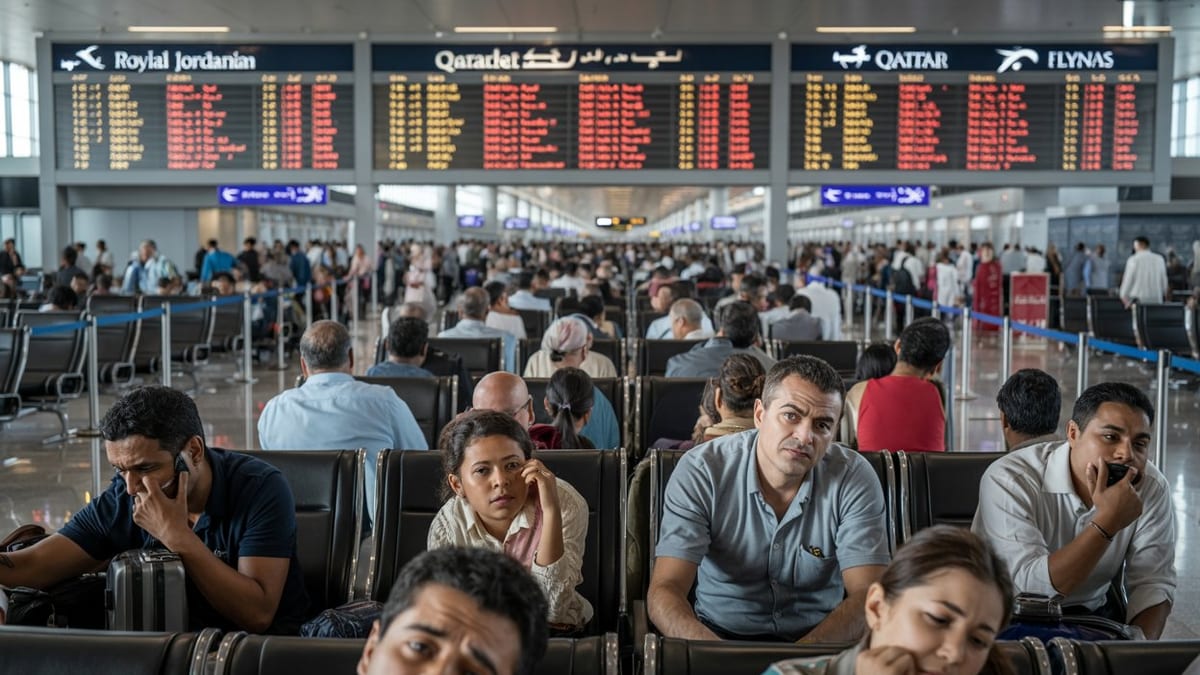
Six Flights Pulled as Operational Pressures Ripple Across Network
Publicly available flight-tracking and schedule data for April 9 indicate that a combined six departures and arrivals operated by Southwest Airlines and Delta Air Lines serving Albuquerque International Sunport were suspended, with additional services running behind schedule. The affected flights touched some of the busiest domestic corridors for Albuquerque travelers, including links to Dallas Love Field, Hartsfield Jackson Atlanta, Los Angeles International, Denver International and Chicago area airports.
The suspended services formed part of broader operational adjustments reported across each carrier’s network in early April, reflecting a combination of tight staffing, aircraft rotations and spring weather complications at multiple hubs. Data reviewed for both airlines show select Albuquerque segments removed from active operation on short notice, forcing schedule gaps where daily or near daily flights typically appear.
While neither airline immediately provided a detailed public breakdown of the Albuquerque specific decisions, schedule snapshots and historical timetables suggest that several of the missing flights would ordinarily provide key morning and late afternoon connectivity windows for both origin and connecting passengers. The loss of these options, even for a single day, can quickly cascade into missed onward connections and longer travel times across the system.
The disruptions arrived as overall traffic through the Sunport has been trending higher year over year, with recent passenger statistics from airport reports showing growth for both Southwest and Delta compared with the previous winter. That rebound has left airlines with less slack in their schedules, making any unplanned cancellation or delay more likely to disrupt a larger number of passengers.
Weather, Network Congestion and Spring Travel Demand
Weather patterns across the central and western United States on April 9 added an additional layer of complexity. Forecasts for New Mexico highlighted a warm, unsettled pattern with building clouds, breezy conditions and a low but nonzero risk of afternoon thunderstorms around Albuquerque, while regional outlooks called for a broader return of severe weather across parts of the Southern Plains and central states.
According to published meteorological coverage, the New Mexico outlook kept the risk for severe storms relatively limited, but emphasized the possibility of sudden downpours, gusty winds and fast changing conditions as the day progressed. In airline operations, even modest convective activity can contribute to traffic management initiatives, ground holds and reroutes, particularly when combined with congestion at major hubs.
At the same time, major connecting centers such as Dallas, Denver, Los Angeles and Chicago entered what is typically a busy spring travel period, closer to full schedules after the quieter winter months. Reports from recent weeks point to intermittent bottlenecks at hubs, including longer security lines, ground delay programs and pockets of staffing strain, all of which can reverberate outward to spoke airports such as Albuquerque.
Industry observers note that when hubs experience rolling delays, airlines frequently respond by trimming individual legs, especially shorter spokes, to free up aircraft and crews for higher density routes. The pattern seen on April 9 at Albuquerque fits this broader strategy, with a small number of flights suspended while others faced departure holds or extended turnaround times.
Impact on Passengers Bound for Dallas, Atlanta, Los Angeles and Beyond
The immediate effect for Albuquerque travelers was a patchwork of cancellations and late departures on some of the most heavily used domestic links out of New Mexico. Routes connecting Albuquerque to Dallas, Atlanta, Los Angeles, Denver and Chicago often serve as the first step in multi leg itineraries spanning the United States and international destinations.
For Southwest customers, reduced options on the Dallas and Denver corridors limited access to the airline’s connecting network, which relies on dense bank structures at Love Field and Denver International. A suspended or significantly delayed flight from Albuquerque into those banks can mean missed same day connections and forced overnight stays when alternative itineraries are already full.
Delta passengers bound for Atlanta or Los Angeles faced similar challenges. Atlanta in particular functions as a primary domestic and international gateway, and a small number of cancellations on Albuquerque segments may strand travelers whose onward flights depart only a few times daily. In recent months, social media and forum posts from Delta customers have repeatedly described tight connection times through Atlanta turning into multi hour delays when upstream flights from smaller cities run late.
Travelers heading to Chicago and other Midwestern destinations also encountered knock on effects as altered schedules in Denver and Dallas disrupted common one stop routings from New Mexico. With spring break related demand still elevated in parts of the country and many flights running near capacity, same day rebooking options were limited, leaving some passengers waiting for late night departures or next day alternatives.
Albuquerque Sunport Capacity and Airline Market Share
Albuquerque International Sunport operates as a key regional gateway but not as a primary hub for any single carrier, a structure that shapes how disruptions unfold. Southwest Airlines holds the largest share of passenger traffic, while Delta Air Lines maintains a smaller but strategically important presence that feeds its hubs in Atlanta, Los Angeles and other cities.
Recent airport statistics for early 2026 show Southwest handling the bulk of domestic origin and destination traffic at the Sunport, reflecting a dense network of point to point services across the West and central United States. Delta’s volumes are lower in absolute terms, but its flights often carry a higher proportion of connecting passengers heading to the East Coast, Midwest and international destinations via Atlanta and Los Angeles.
This market configuration means that when both airlines suspend flights on the same day, even in modest numbers, the impact can feel outsized. Southwest’s gaps reduce the number of nonstop choices for popular leisure and business routes, while Delta’s adjustments can cut off connections to far flung destinations that lack alternative one stop options from Albuquerque.
Aviation analysts note that secondary airports such as Albuquerque often rely on a limited number of daily departures to each hub. When one of those departures is removed or heavily delayed, entire itineraries may need to be rebuilt. As a result, even a single day of six suspended flights is enough to trigger longer lines at ticket counters, increased demand for hotel vouchers and heavier loads on the remaining services that do operate.
What Travelers Can Do During Short Notice Disruptions
With operational conditions expected to remain dynamic through the spring season, travel experts encourage passengers using Albuquerque International Sunport to plan for possible schedule changes, especially on days when storms or high winds are in the forecast across New Mexico or at major hubs. Publicly available airline guidance generally recommends that travelers monitor their flight status closely via mobile apps and sign up for push notifications.
For those connecting through Dallas, Atlanta, Los Angeles, Denver or Chicago, itineraries that include longer layovers can provide an added buffer when flights from Albuquerque experience departure holds. Some consumer advocates also recommend selecting earlier departures from the Sunport when possible, as early morning flights may offer more same day rebooking options if irregular operations develop later in the day.
In periods of network strain, airlines often issue flexible travel policies that allow date or routing changes without standard penalties for affected passengers. Public information for April has shown several such waivers across the industry tied to regional weather systems and operational pressures. When six flights in and out of a city like Albuquerque are suspended on the same day, checking for newly posted waivers can help travelers adjust plans at lower cost.
While April 9’s disruptions at Albuquerque International Sunport appear limited in duration, they underscore how quickly conditions can shift for travelers in a tightly scheduled domestic system. With key spokes to Dallas, Atlanta, Los Angeles, Denver, Chicago and other cities all interconnected, a handful of cancellations and delays is often enough to reshape the travel day for hundreds of passengers in New Mexico and well beyond.