

More news on this day
Spring air travel across Canada faced another setback on April 10 as tracking data pointed to at least 35 flight cancellations at major hubs, compounding several days of rolling disruption for domestic and transborder passengers.
Get the latest news straight to your inbox!
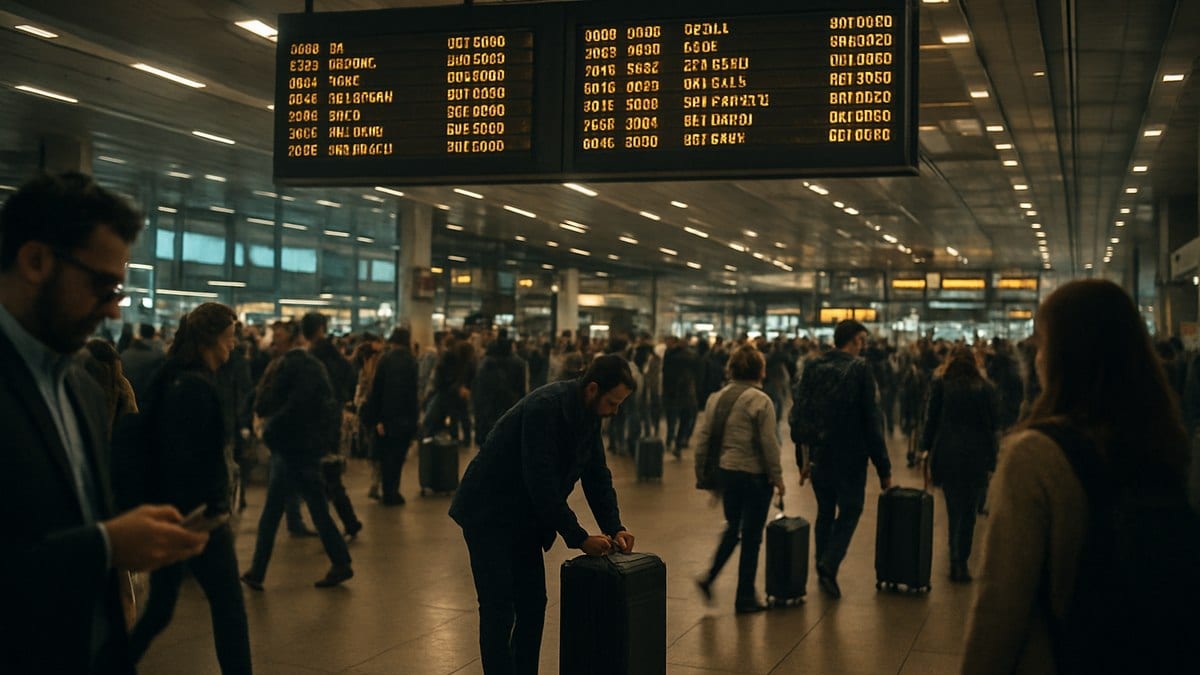
Fresh Wave of Cancellations Across Key Airports
Publicly available flight-tracking tallies for April 10 indicate that Canadian hubs including Toronto Pearson, Vancouver, Montreal-Trudeau and Calgary collectively recorded at least 35 cancelled departures and arrivals. These figures come on top of already elevated disruption levels seen since the start of the month, with some airports still working through residual schedule imbalances from earlier storms and operational bottlenecks.
At Toronto Pearson, which routinely handles the highest volumes in the country, cancellations have been clustering around peak morning and late-afternoon banks, where tight aircraft and crew rotations leave little room to absorb delays. Coverage earlier in the week highlighted days when Pearson alone logged more than a dozen cancellations, and the April 10 figures suggest that the network strain has yet to fully subside.
Montreal-Trudeau has also seen renewed turbulence. Recent reporting focusing on that airport described nationwide tallies that reached more than 50 cancellations on a single day in early April, with Montreal, Toronto and Calgary among the hardest-hit locations. The April 10 cancellation count appears lower than that peak but still significant enough to derail itineraries, especially for travelers relying on short connecting windows.
Calgary and Vancouver are contending with a mix of lingering weather effects and knock-on delays from earlier disruptions. Travel-rights and passenger-advocacy outlets have pointed to Calgary as an emerging hotspot in the current cycle, with days when even a modest number of cancellations masked a wider field of long delays and crew reassignments.
Weather, Congestion and Network Knock-On Effects
The latest cancellations are unfolding against a backdrop of unsettled spring weather and already stretched airline operations. Earlier in the week, a late-season system of snow and freezing rain moved across parts of Canada, triggering widespread delays and cancellations and prompting de-icing programs that inevitably slowed departures. Analysts note that recovery from such events typically requires several days, particularly at hubs where aircraft and crews cycle rapidly through multiple short-haul legs.
Operational commentary from aviation specialists has underlined how relatively moderate weather at a single airport can produce outsized effects when the network is already tight. A delayed inbound aircraft can miss its scheduled departure slot, which then cascades into later rotations. When this pattern plays out simultaneously at several hubs, the cumulative effect is a spike in same-day cancellations as airlines attempt to restore some predictability to their schedules.
Toronto Pearson, Montreal-Trudeau, Vancouver and Calgary all sit at critical junctions for domestic and transborder flows. Disruption at any one of them can quickly reverberate across smaller Canadian airports as feeder and connector flights are delayed or scrubbed. Industry data from recent weeks has shown that days with a few dozen cancellations often coincide with hundreds of delayed departures, suggesting that the visible cancellation figure may understate the scale of inconvenience for travelers.
Global conditions are also adding pressure. International aviation data compiled for March pointed to a marked jump in cancellations worldwide, driven in part by geopolitical tensions and airspace constraints. Canadian carriers and airports are not insulated from those broader dynamics, particularly on long-haul routes requiring complex rerouting or additional fuel planning.
Impact on Travelers and Itineraries
For passengers, the April 10 cancellations translate into missed connections, overnight stays and hastily rearranged itineraries. Long-haul travelers using Canadian hubs as gateways to Europe or Asia are especially vulnerable when short domestic feeder legs are cancelled, since rebooking onto later long-haul departures can be difficult once peak transatlantic and transpacific waves have departed.
Reports from recent days describe passengers facing multi-hour delays at check-in and security as flight banks bunch up following earlier disruptions. Even when a specific flight operates more or less on schedule, the wider congestion can extend total journey times, particularly for those transferring between terminals or clearing customs and immigration before reboarding.
Travel coverage has also highlighted that the cumulative stress on operations is coming at a time when broader North American demand patterns are shifting. Some data series show transborder traffic under pressure, while domestic and leisure-oriented routes remain comparatively resilient. This uneven demand can complicate the choices airlines make when deciding which flights to cancel, as they balance aircraft utilization, crew duty limits and revenue priorities.
Travelers with fixed commitments, such as cruises or tour departures, are being urged by consumer advocates to build additional buffers into their plans. The experience of the past week, capped by the April 10 figures, suggests that even outside of classic winter-storm periods, Canadian air travel can experience short-notice disruption spikes.
What Public Guidance Says About Rights and Remedies
Canada’s air passenger protection framework outlines a range of potential remedies when flights are significantly delayed or cancelled, although the specific entitlements depend on the cause of disruption and the size of the carrier involved. Publicly available guidance indicates that, in some situations, travelers may be eligible for meals, accommodation, ground transportation and financial compensation when problems are within an airline’s control and not related to extraordinary circumstances such as severe weather or air traffic control constraints.
Recent reporting on passenger complaints in Canada has drawn attention to the high volume of cases awaiting resolution with regulators and carriers. In response, at least one major airline has introduced an arbitration initiative intended to settle certain disruption-related disputes more quickly. The backdrop of recurring cancellations and delays, including the April 10 wave, suggests that demand for such mechanisms is likely to remain strong.
Travel-law specialists caution that passengers should keep detailed records when they are affected by cancellations, including boarding passes, receipts for incidental expenses and screenshots of flight-status updates. This documentation can prove important if travelers later seek reimbursement or compensation through airline channels, credit card protections or formal dispute processes.
Consumer-facing guidance also stresses the value of understanding the distinction between weather-related and controllable cancellations. While both can upend travel plans, only the latter typically open the door to compensation under Canadian rules. On days like April 10, when weather, congestion and resource constraints intersect, individual flights may fall into different categories even within the same airport.
Practical Steps for Passengers Moving Forward
With at least 35 cancellations recorded at major Canadian hubs on April 10 and recovery efforts still ongoing from earlier disruptions, travelers planning to fly in the coming days are being encouraged by public advisories and travel outlets to remain proactive. Checking flight status repeatedly in the 24 hours before departure, and again before leaving for the airport, is widely recommended.
Specialist travel coverage suggests that passengers consider booking longer connection windows through busy hubs such as Toronto Pearson, Vancouver, Montreal-Trudeau and Calgary while disruption levels remain elevated. Although longer layovers add time to a journey, they can reduce the risk of missed onward flights when schedules slip.
Many Canadian-issued credit cards and travel insurance policies include trip-delay or trip-cancellation benefits that can help offset costs for meals, hotels and alternative transportation. Travelers are advised by consumer organizations to review these terms before departure so they understand what documentation is required and how to file a claim if their flight is among those cancelled.
For now, the April 10 data offers another reminder that even outside the depths of winter, air travel through Canada’s largest hubs can be vulnerable to rapid shifts in weather and operational conditions. As airlines work to stabilize schedules, passengers may continue to experience pockets of disruption, making preparation and flexibility key tools for navigating the skies.